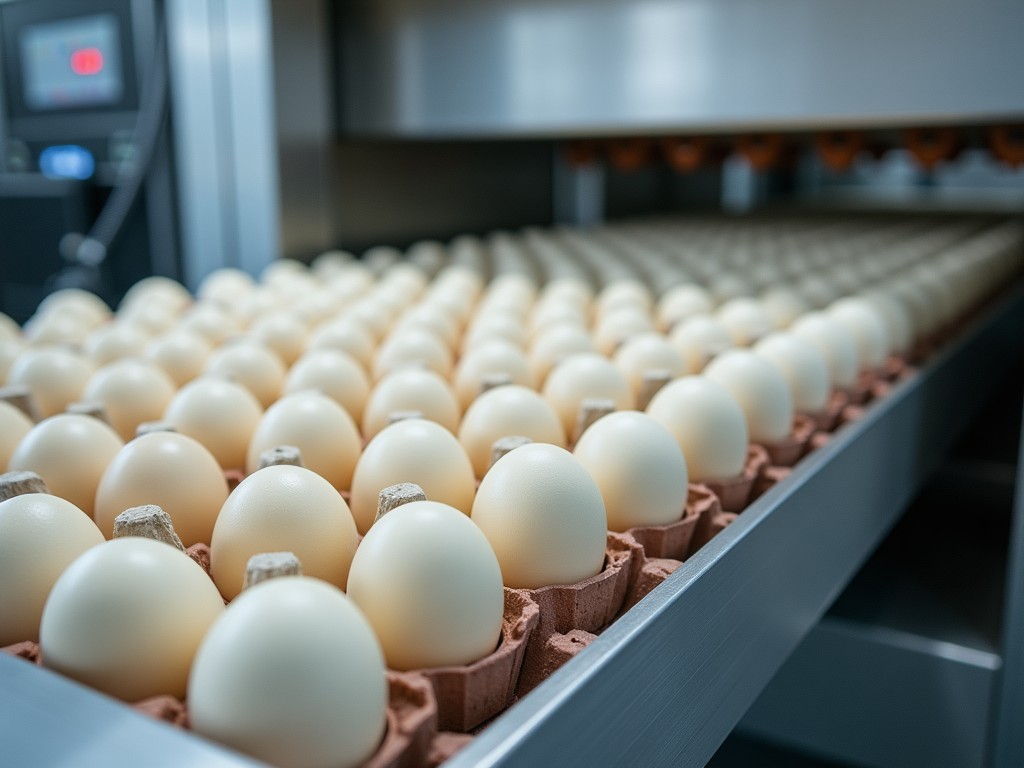
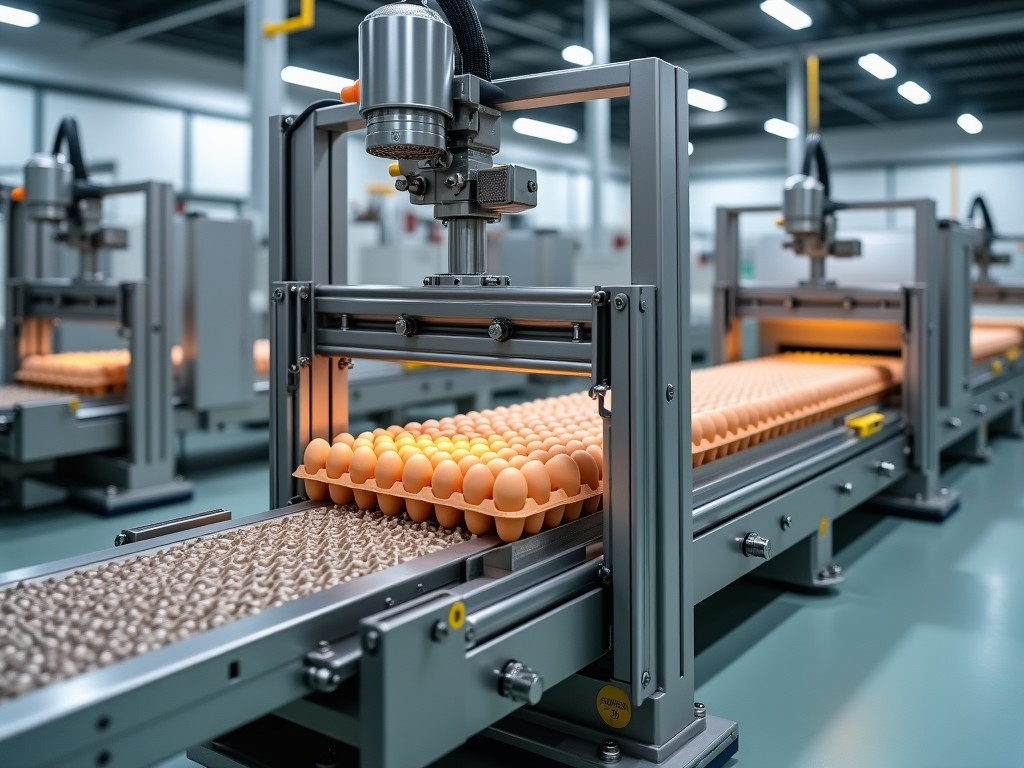
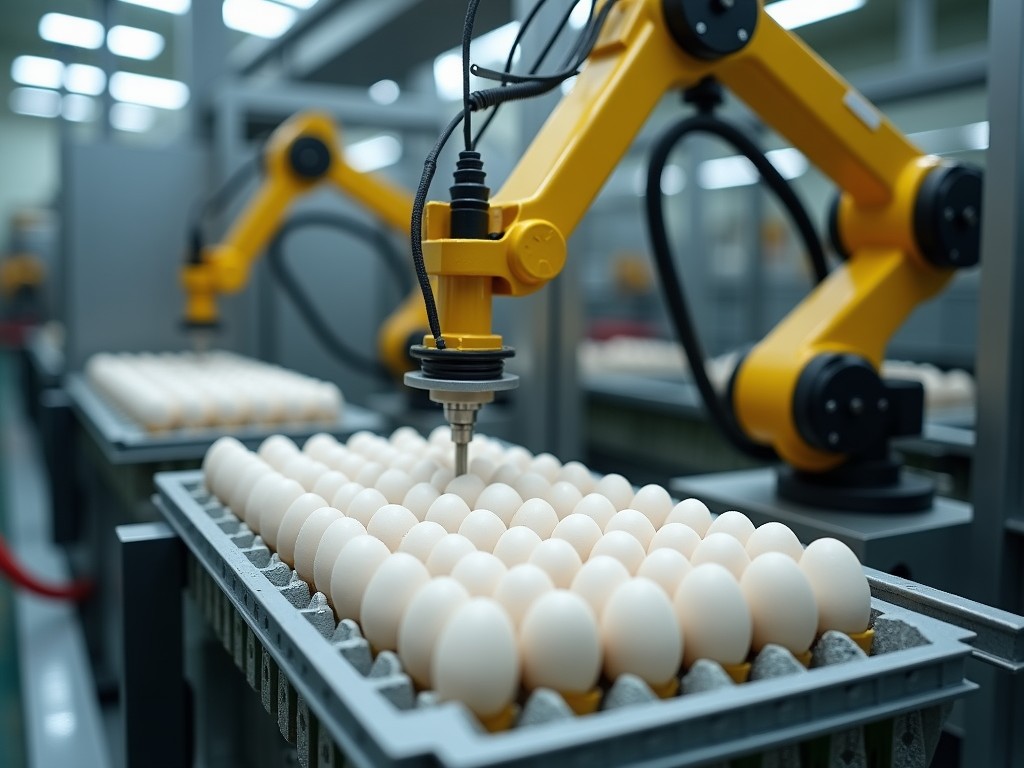
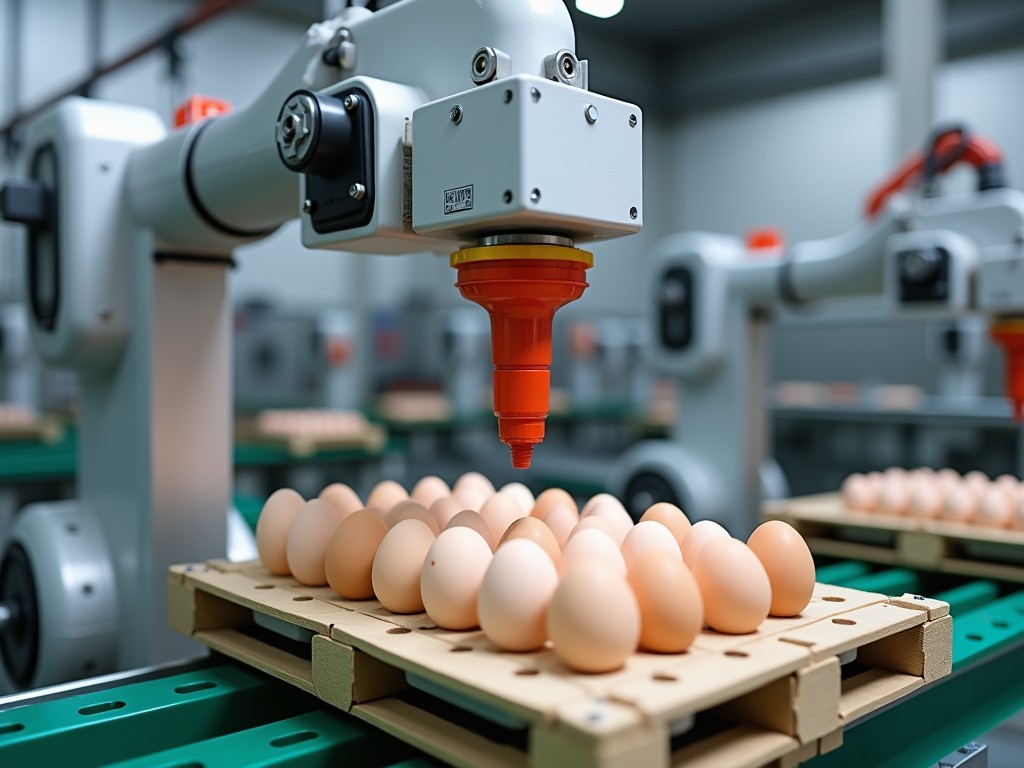
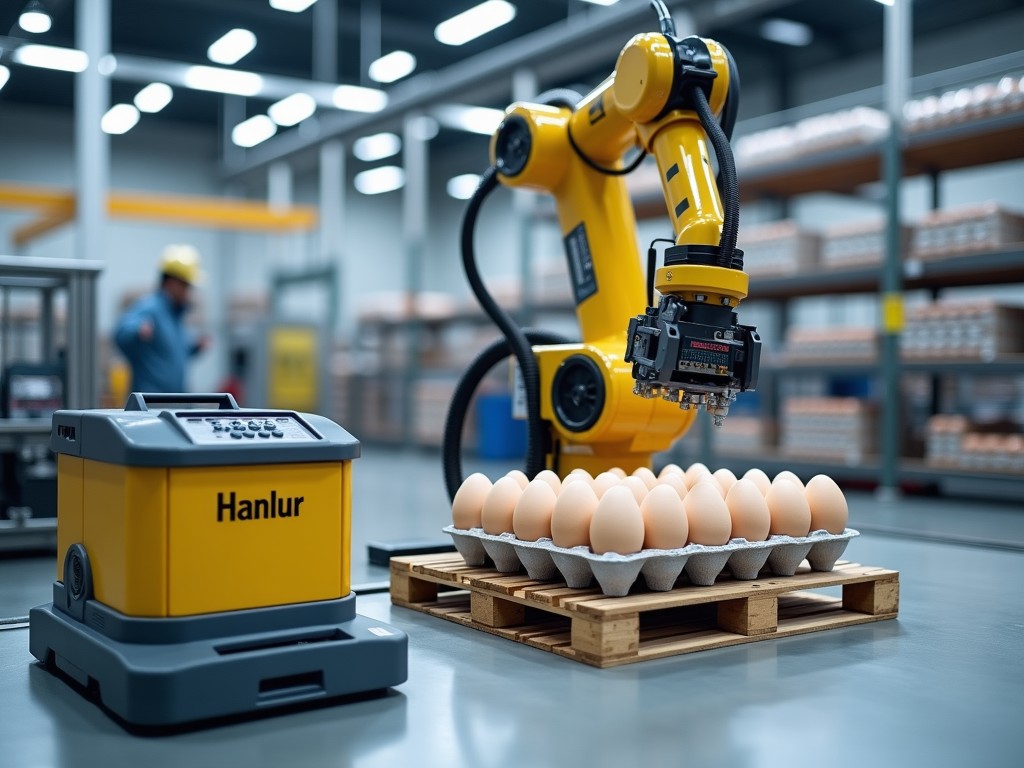
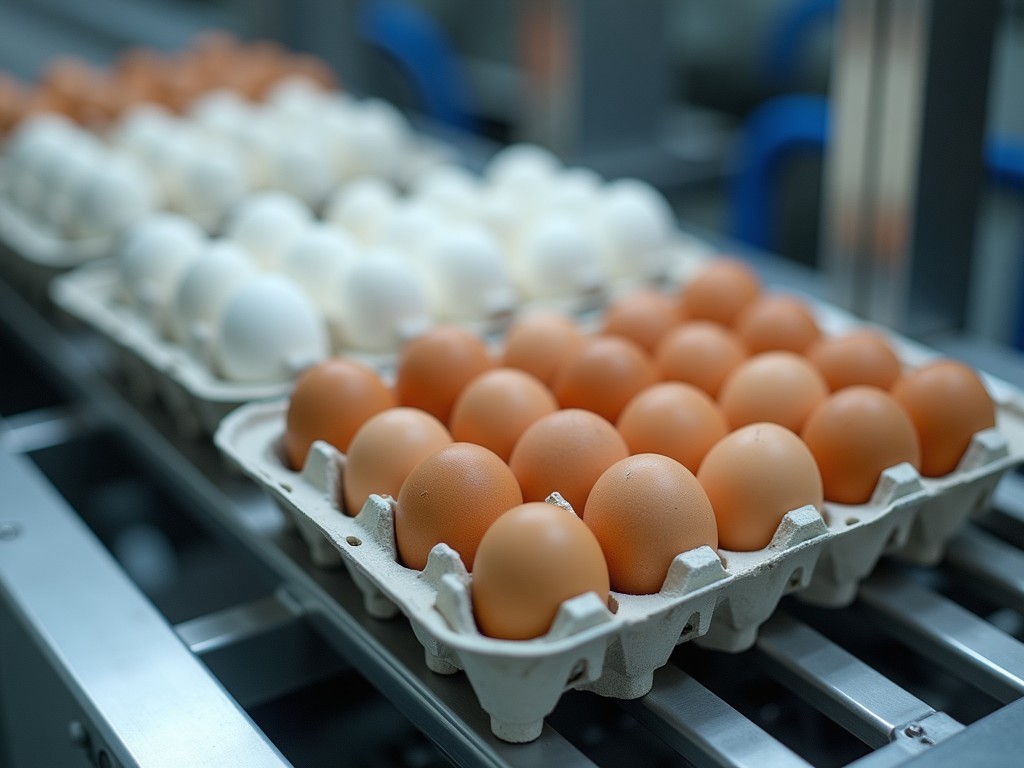
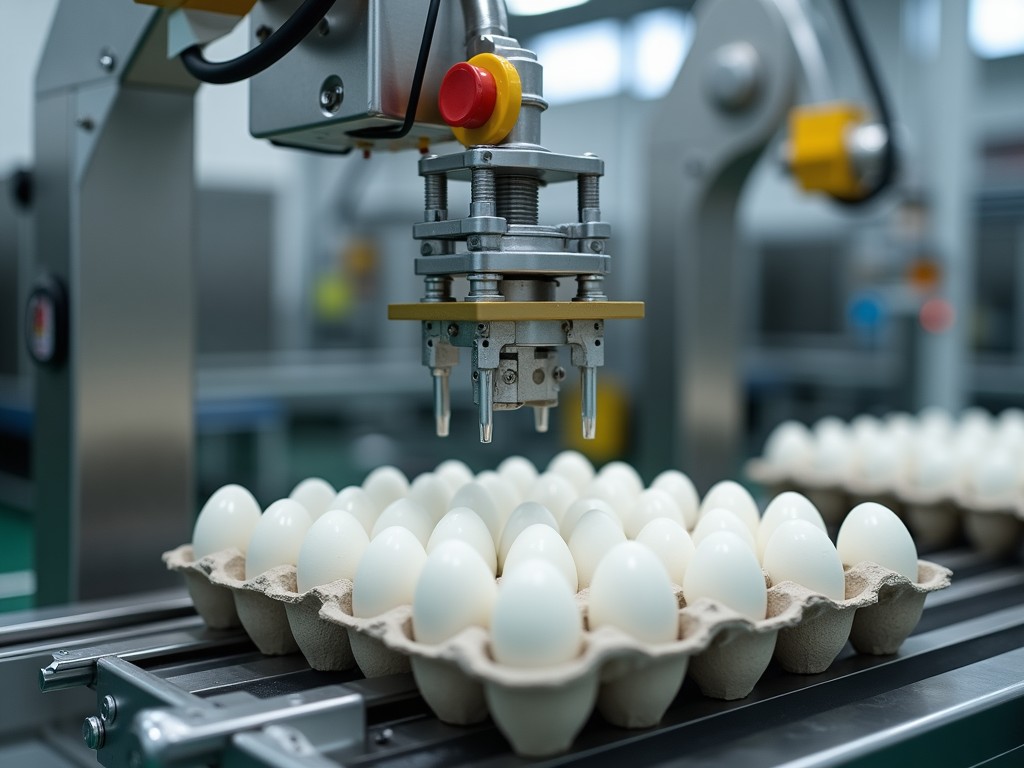
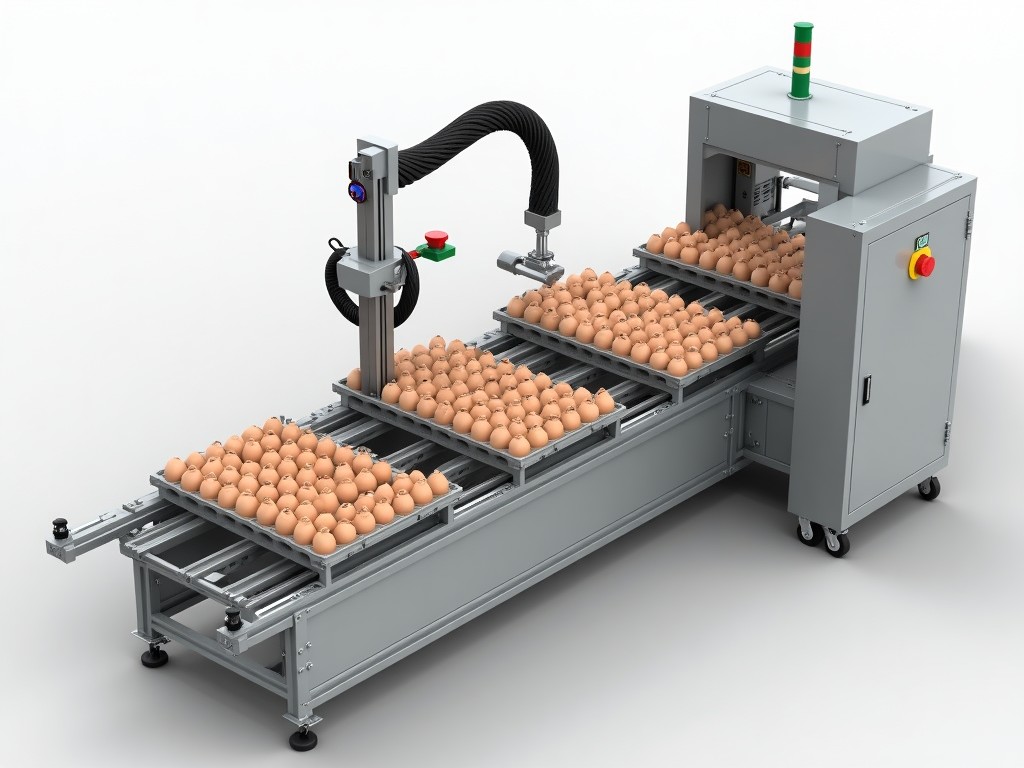
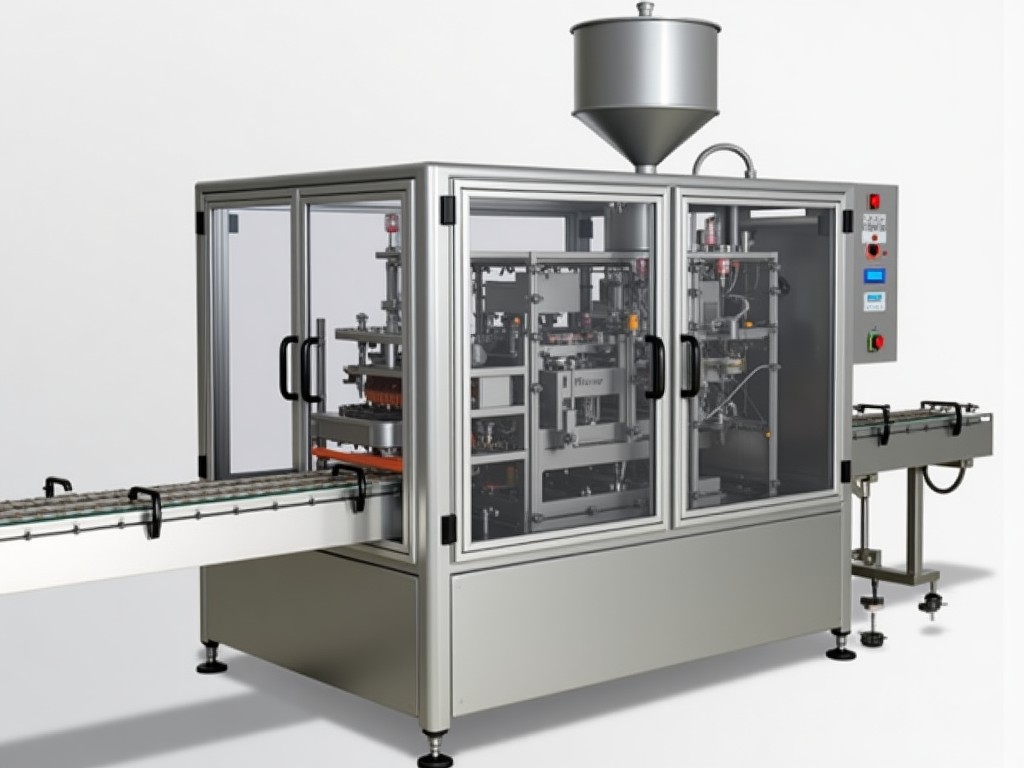
Bulk egg robotic packing systems automate the handling and placement of eggs into trays or cartons at high volume. They integrate vision-guided robots with specialized grippers to orient and position
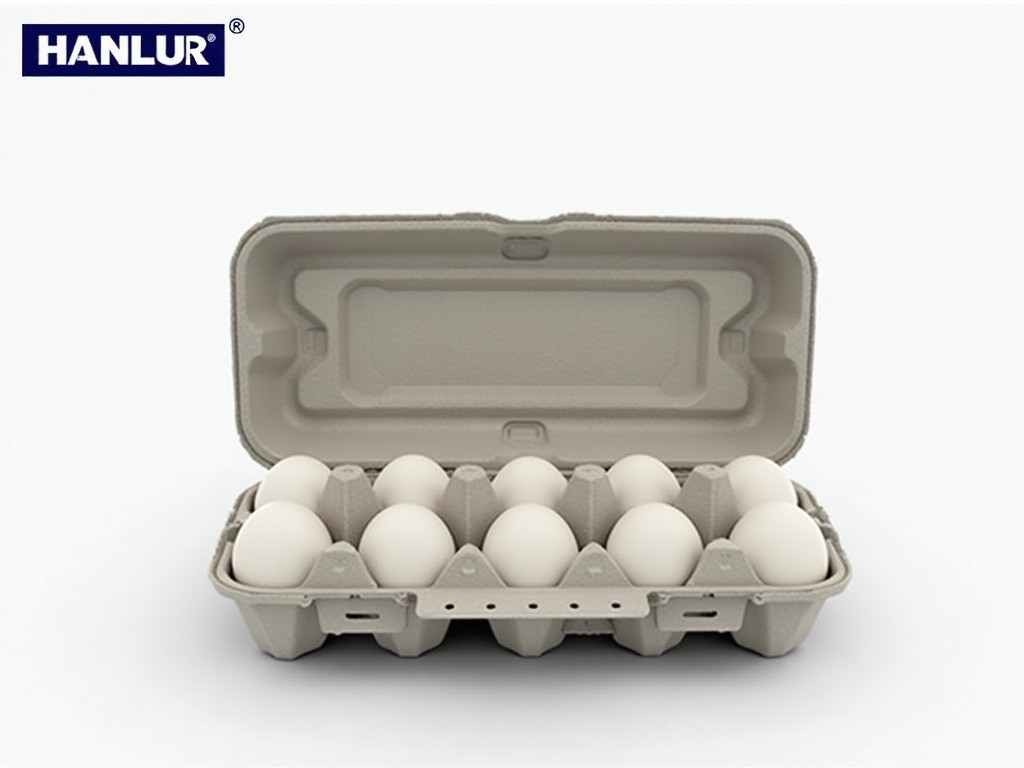
This system handles the high‑speed insertion of eggs into corrugated or pulp cartons, then seals and stacks the finished packages for palletizing. It replaces manual carton loading with a six‑axis
This equipment combines a six‑axis articulated robot with a specialized end‑of‑arm tool to stack or unstack cardboard, plastic, or wooden cases onto pallets. The robot follows a programmed path that
This system combines a six‑axis articulated robot with a custom end‑effector designed to grasp and place eggs into standard 30‑egg crates at rates up to 90 crates per hour. Integrated vision sensors
An automatic robot palletizer integrates a six‑axis articulated robot with a dedicated end‑of‑arm tooling (EOAT) system to stack cartons, bags, or containers onto pallets without manual intervention.
Selecting a palletizing solution requires understanding how the robot’s mechanical design, control architecture, and safety system interact with the production line. This page outlines the
This production line integrates case forming, product loading, case sealing, and palletizing into a continuous automated flow designed for rigid‑wall cartons, trays, and similar hard‑support
This system is designed to transfer table‑egg products from collection belts to packaging lines with minimal manual intervention. It integrates a six‑axis articulated arm, a vision‑guided gripper,
The auto robotic egg tray loader is designed to transfer formed egg trays from a molding line to downstream packing or palletizing stations with minimal human intervention. It combines a Cartesian or
Large-scale poultry operations require a transition from manual handling to automated throughput systems to maintain logistical integrity. A wholesale egg case packaging machine is engineered to
An egg carton packing machine automates the transfer of processed eggs into protective cartons, aligning each egg, inserting it into the formed cup, and sealing the package for downstream handling.
Transitioning from pre-printed packaging to on-demand labeling allows egg producers to manage inventory based on real-time sales data. This approach minimizes the financial risks associated with