B2B Robotic Case Palletizer And Depalletizer
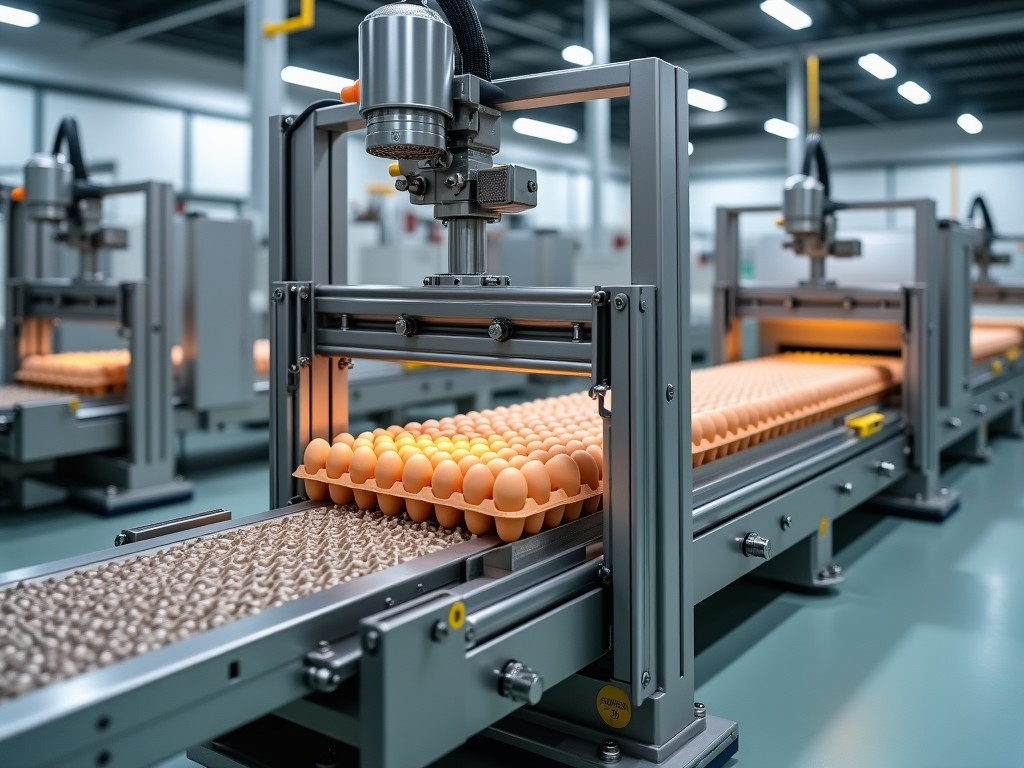
B2B Robotic Case Palletizer and Depalletizer
This equipment combines a six‑axis articulated robot with a specialized end‑of‑arm tool to stack or unstack cardboard, plastic, or wooden cases onto pallets. The robot follows a programmed path that presents each case to the pallet in a repeatable orientation, while sensors verify placement before the next cycle.
Typical payload capacities range from 15 kg to 45 kg per case, allowing the system to handle both lightweight consumer‑goods cartons and heavier industrial containers. Reach distances are usually between 1.2 m and 1.8 m, which fits standard pallet dimensions (1200 mm × 1000 mm) without requiring extensive floor‑space reconfiguration.
Integrated vision systems use 2D cameras or laser scanners to detect case edges and orientation, correcting for minor variations in case dimensions or printing. The end effector can be a vacuum gripper, mechanical clamp, or hybrid tool, selected based on case material and surface finish to ensure reliable grip without damaging the product.
Technical Specifications
| Parameter | Typical Value | Notes |
|---|---|---|
| Robot type | Six‑axis articulated | Payload up to 45 kg |
| Case payload | 15 kg – 45 kg | Depends on end effector |
| Cycle rate | 8 – 12 cases/min | Varies with case weight and pallet pattern |
| Footprint | 1.5 m × 1.2 m | Includes safety guarding |
| Power supply | 380 V / 3‑phase, 50/60 Hz | Optional UPS for brief power loss |
| Control system | PLC + robot teach pendant | Supports Ethernet/IP, Modbus TCP |
Typical Applications
In food and beverage facilities, the palletizer handles cases of bottled drinks, canned goods, or snack packs that arrive at high speeds from case packers. The gentle grip of vacuum tools prevents deformation of flexible packaging while maintaining the required throughput for shift‑based production.
Consumer‑goods manufacturers use the depalletizer to unload cases of detergents, personal‑care items, or household products from inbound pallets before they enter filling lines. The system’s ability to switch between palletizing and depalletizing modes reduces the need for separate equipment, saving floor space and capital expense.
Pharmaceutical and medical‑device plants benefit from the system’s clean‑room compatible stainless‑steel construction and optional IP65‑rated enclosures. The precise placement ensures that cases are aligned for subsequent sterilization or labeling processes without introducing particulate contamination.
Customization Options
- End effector type: vacuum, mechanical clamp, magnetic, or hybrid
- Pallet size accommodation: 800 mm × 1200 mm, 1000 mm × 1200 mm, or custom
- Infeed/outfeed conveyor integration: roller, belt, or chain driven
- Safety upgrades: light curtains, safety scanners, emergency stop stations
- Software features: recipe management, OEE tracking, remote diagnostics
Quality Control and Testing
Each unit undergoes a factory acceptance test that includes load‑case cycling at maximum rated payload, repeatability measurement of placement (±5 mm), and emergency stop validation. Vision system calibration is performed using standardized test targets to confirm edge detection accuracy under varying lighting conditions.
Materials are traced via mill certificates; structural welds are inspected per ISO 9606‑1, and all electrical components carry CE or UL markings as required for the destination market. Documentation packages include wiring diagrams, PLC program backups, and preventive maintenance schedules.
Frequently Asked Questions
Can the robot handle mixed case sizes on the same pallet? Yes, the system can be programmed with multiple case patterns and uses vision feedback to adjust pick‑and‑place points for each size.
What information is needed for a quotation? Required details include case dimensions and weight, desired pallet layout, infeed/outfeed line speeds, and any environmental constraints such as temperature or wash‑down requirements.
Is the equipment suitable for wash‑down environments? Stainless‑steel frames and IP65‑rated motor enclosures are available for areas that require regular cleaning with water or mild detergents.
Contact our engineering team to discuss your case handling requirements



