Plastic Egg Tray Washing Machine Factory
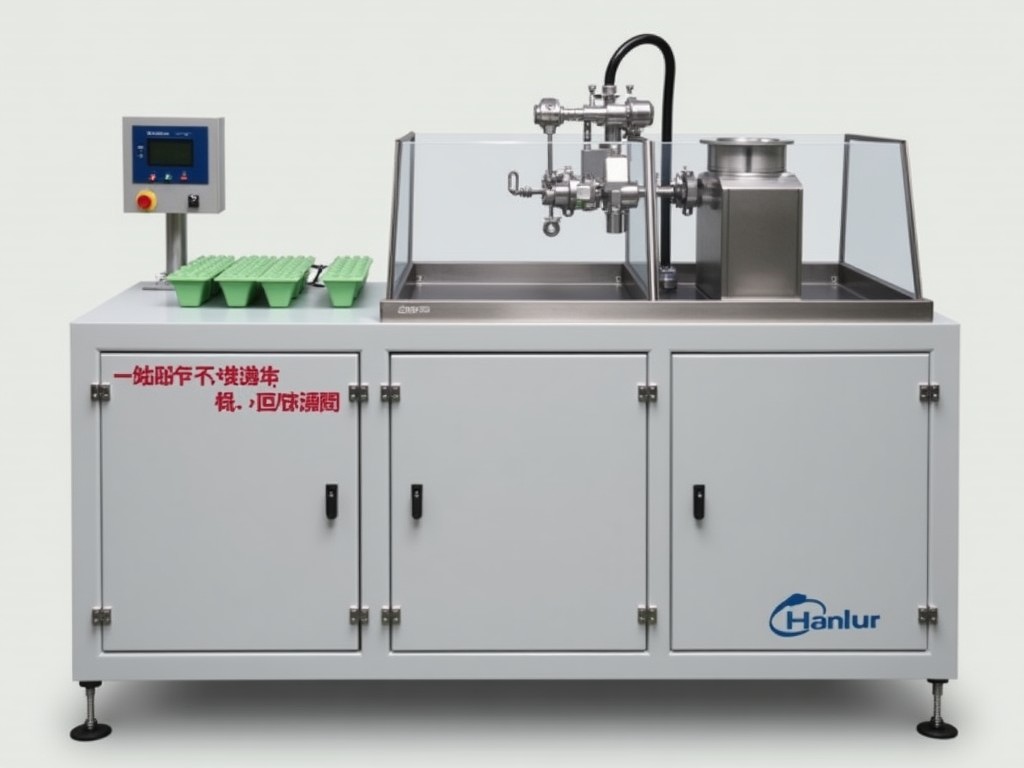
Plastic Egg Tray Washing Machine – Factory Overview
The plastic egg tray washing machine is designed to clean and sanitize reusable trays used in poultry egg collection and distribution. It removes organic residues, feather debris, and microbial contaminants through a combination of mechanical agitation, heated spray, and controlled drying cycles. By integrating washing, rinsing, and drying functions into a single line, the system reduces manual handling and improves tray turnover rates.
Process Description
Trays are loaded onto a conveyor belt that transports them through three sequential zones: pre‑wash, main wash, and rinse. In the pre‑wash zone, low‑pressure spray loosens loose particles. The main wash zone employs heated water (typically 60 °C–80 °C) combined with reciprocating brushes or spray nozzles to dislodge adhered matter. The rinse zone uses fresh water at ambient temperature to eliminate detergent residues. Excess water is removed by air knives or centrifugal dryers before trays exit the line.
Cycle time is adjustable based on tray soiling level and line speed, commonly ranging from 20 to 45 seconds per tray. Sensors monitor water temperature, pressure, and conveyor speed to maintain consistent cleaning performance. The machine can be configured for batch or continuous operation depending on plant layout.
Key Technical Parameters
| Parameter | Typical Value | Adjustable Range |
|---|---|---|
| Conveyor Speed | 0.2 m/s | 0.1–0.5 m/s |
| Wash Tank Capacity | 150 L | 100–250 L (custom) |
| Water Temperature (Main Wash) | 70 °C | 50–85 °C |
| Installed Power | 7.5 kW | 5–12 kW (depends on configuration) |
| Electrical Supply | 380 V / 3 ph / 50 Hz | Optional 440 V / 60 Hz |
Design Features
The frame is constructed from welded stainless steel (grade 304) to resist corrosion from continuous water exposure and cleaning agents. All contact surfaces with trays are smooth, polished, and free of crevices to prevent bacterial harborage. Spray nozzles are made of POM or stainless steel and are removable for quick cleaning or replacement.
A programmable logic controller (PLC) manages cycle parameters, allowing operators to store multiple recipes for different tray types or soil levels. Safety interlocks prevent conveyor movement when access doors are open, and emergency stop buttons are positioned at each operator station. The machine includes a built‑in filtration system that recirculates wash water after removing particulates, reducing fresh water consumption by up to 30 %.
Material Construction
Primary structural components use AISI 304 stainless steel with a minimum thickness of 2 mm for load‑bearing members. Wash tanks are fabricated from 304L stainless steel to improve weldability and resistance to chloride‑induced pitting. Conveyor belts are available in either modular plastic (polypropylene) or stainless steel mesh, selected based on tray weight and cleaning intensity.
Seals and gaskets are made of EPDM or silicone, chosen for compatibility with hot water and mild alkaline detergents. All fasteners are stainless steel to avoid galvanic corrosion. The machine’s exterior can be powder‑coated in RAL 7035 (light gray) upon request for additional chemical resistance in harsh environments.
Applications in Poultry Processing
Egg tray washing machines are integral to hatcheries, layer farms, and egg processing plants where reusable trays are employed for collection, transport, and incubation. Effective cleaning reduces cross‑contamination between flocks, helps meet biosecurity standards, and extends tray service life. In high‑volume operations, automated washing eliminates bottlenecks caused by manual scrubbing and drying.
Beyond poultry, the same equipment can be adapted for cleaning trays used in fruit packing, bakery product handling, or pharmaceutical packaging, provided the tray material and geometry are compatible with the spray and agitation parameters. Custom trays with special ribs or compartments can be accommodated by adjusting nozzle positioning and spray pressure.
Customization Options
Length of the washing line can be scaled from a single‑tray station to multi‑lane configurations handling up to 120 trays per minute. Customers may select between hot water washing, chemical‑assisted washing, or ozone‑based sanitization modules depending on regional regulations and water availability. Drying sections can be equipped with hot air blowers, infrared heaters, or vacuum suction units.
Control interfaces range from basic push‑button panels to touchscreen HMIs with data logging, remote diagnostics, and integration with plant MES systems. Optional add‑ons include UV‑C light chambers for additional microbial inactivation, automatic tray stacking/destacking robots, and wastewater treatment units for closed‑loop operation.
Quality Assurance & Testing
Each machine undergoes a factory acceptance test (FAT) that verifies spray coverage, temperature uniformity, conveyor speed accuracy, and leak integrity of all fluid circuits. Test trays are inoculated with a known concentration of surrogate microorganisms (e.g., Enterococcus faecalis) to confirm log reduction performance under prescribed cycle parameters. Results are documented in a test report shipped with the unit.
Material certifications (e.g., EN 10204 3.1 for stainless steel) are provided on request. Welds are inspected visually and, where required, by dye penetrant testing to ensure absence of cracks. Electrical components comply with IEC 60204‑1 safety standards, and the control panel carries CE marking for European markets.
Frequently Asked Questions
- Can the machine handle trays of different dimensions? – Yes, conveyor width and guide rails are adjustable; custom trays up to 600 mm × 400 mm are accommodated without redesign.
- What water consumption should be expected? – Average usage is 8–12 L per tray per cycle; with the filtration recycle option, fresh water intake drops to 5–6 L per tray.
- Is chemical dosing integrated? – A metering pump can be added for precise injection of alkaline or acidic detergents; dosing rates are programmable via the PLC.
- How is the machine shipped for overseas installation? – The unit is disassembled into skid‑mounted modules, wrapped in vapor‑corrosion inhibitor film, and secured in ISO‑rated containers; reassembly instructions and alignment tools are included.
- What is the typical lead time? – Standard configuration ships within 8–10 weeks after receipt of purchase order; customized units may require 12–16 weeks.
Contact for Inquiry
To discuss your specific tray cleaning requirements, request a quotation, or arrange a virtual factory walkthrough, please reach out to our technical sales team. Provide details on tray dimensions, daily throughput, water temperature preferences, and any required certifications so we can prepare a tailored solution.
Send Inquiry


