Oem Egg Washing Machine For Sale Uk
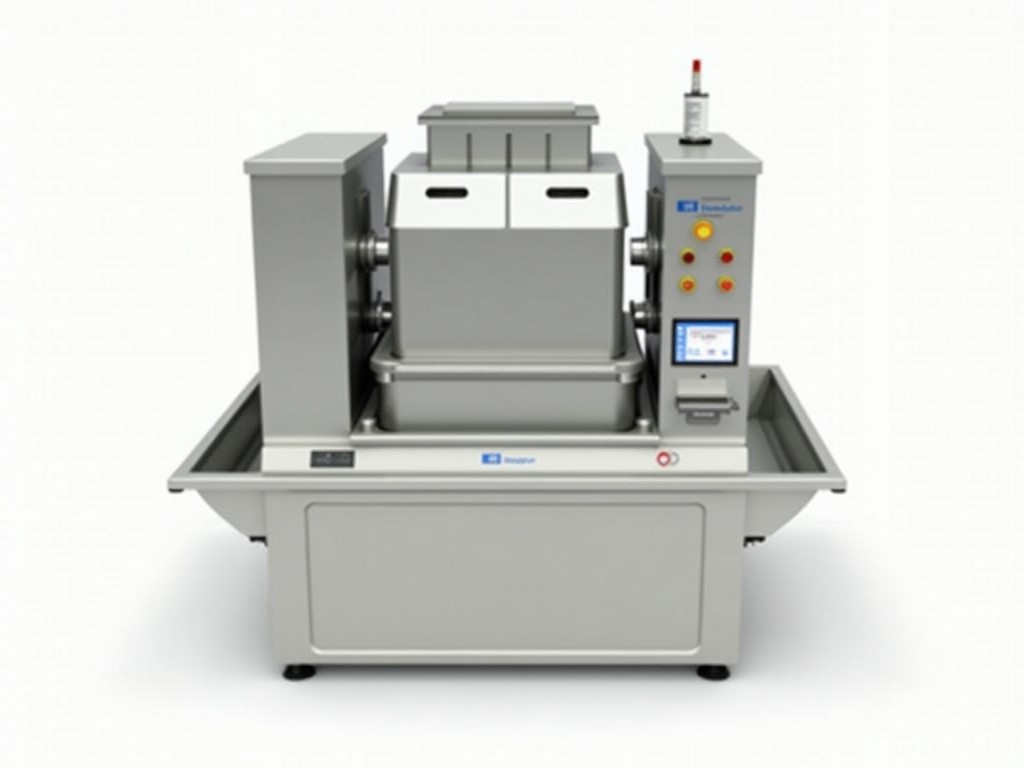
OEM Egg Washing Machine for Sale in the UK
The machine is designed to remove contaminants such as feces, feathers, and biofilm from table‑egg shells before grading and packaging. It operates as a continuous‑flow unit that can be integrated into existing processing lines or supplied as a stand‑alone system for smaller facilities.
Key Technical Specifications
Typical models accommodate egg diameters from 40 mm to 55 mm with a throughput range of 5 000 to 30 000 eggs per hour, depending on the selected brush speed and water pressure. The washing chamber length varies between 1.2 m and 2.5 m to provide sufficient dwell time for effective cleaning while maintaining a compact footprint.
Motor power is specified in kilowatts (kW) and ranges from 0.75 kW for low‑volume units to 3.0 kW for high‑capacity lines. Water consumption is expressed as litres per minute (L/min) and typically falls between 8 L/min and 25 L/min, with optional recirculation systems to reduce fresh‑water demand.
Design and Construction
The frame is fabricated from stainless steel grade 304 (or 316 upon request) to resist corrosion from frequent wash cycles and chemical sanitizers. All contact surfaces in the washing zone are polished to a surface roughness Ra ≤ 0.8 µm to minimize microbial adhesion and facilitate cleaning‑in‑place (CIP) procedures.
Brush modules consist of food‑grade nylon bristles mounted on stainless‑steel shafts; bristle diameter and stiffness are selectable to match egg shell strength and soil load. Spray nozzles are positioned to deliver a uniform impingement pattern, with adjustable spray angles from 15° to 45° to optimize water usage.
Operational Principles
Eggs enter the machine via a gently vibrating feeder that aligns them in a single lane, reducing the risk of cracking. As they travel through the chamber, rotating brushes scrub the shell while concurrent spray jets loosen particulates. A final rinse stage uses fresh water or a diluted sanitizing solution to remove loosened debris before the eggs exit onto a drying belt or air‑knife system.
Process parameters such as brush rotational speed (rpm), water pressure (bar), and dwell time (seconds) are controllable via a programmable logic controller (PLC) with a touch‑screen HMI. Data logging captures cycle counts, water usage, and fault codes for traceability and preventive maintenance scheduling.
Customization Options
- Variable chamber length to match line speed and required dwell time.
- Optional ozone or UV‑C disinfection modules integrated post‑wash.
- Choice of brush material: nylon, polypropylene, or stainless‑steel filament for specific soil types.
- Adjustable water recirculation rate with filtration to achieve 50 %–80 % water savings.
- Custom infeed and outfeed configurations, including side‑loading or multi‑lane arrangements.
Applications in Poultry Processing
Egg washing machines are essential for producers seeking to meet UK food safety regulations such as the Egg Marketing Regulations and the British Lion Code. By reducing surface bacterial loads, the equipment helps lower the risk of cross‑contamination during subsequent handling, extending shelf life and improving consumer confidence.
Facilities that process free‑range, organic, or specialty eggs often select units with gentler brush actions and lower water pressures to preserve shell integrity while achieving required hygiene standards. High‑volume commercial plants benefit from the modular design, which allows parallel installation of multiple washing lanes to scale capacity without major line redesign.
Quality Assurance and Testing
Each unit undergoes a factory acceptance test (FAT) that verifies brush torque, spray pressure uniformity, and water consumption against the specification sheet. A sample of processed eggs is subjected to aerobic plate count (APC) testing before and after washing to demonstrate log reduction performance.
Quality control includes visual inspection of welds, surface finish measurement with a profilometer, and functional testing of the PLC safety interlocks. Documentation packages contain material certificates, electrical schematics, and CE conformity declarations where applicable.
Typical Performance Data
| Parameter | Typical Range | Unit |
|---|---|---|
| Egg diameter | 40 – 55 | mm |
| Throughput | 5 000 – 30 000 | eggs/h |
| Motor power | 0.75 – 3.0 | kW |
| Water consumption | 8 – 25 | L/min |
| Brush speed | 150 – 600 | rpm |
| Water pressure | 1.0 – 3.5 | bar |
Values above represent common configurations; actual specifications are adjusted according to customer‑defined process requirements, egg size distribution, and site utilities.
Inquiry and Support
To obtain a quotation tailored to your production volume, facility layout, and specific hygiene targets, please provide the following details: expected egg throughput (eggs per hour), average egg size range, available water pressure and flow, and any required additional treatments such as ozone or UV‑C. Our engineering team will review the information and return a detailed proposal including layout drawings, utility schedules, and lead‑time estimates.



