Factory Direct Egg Pallet Washing Machine
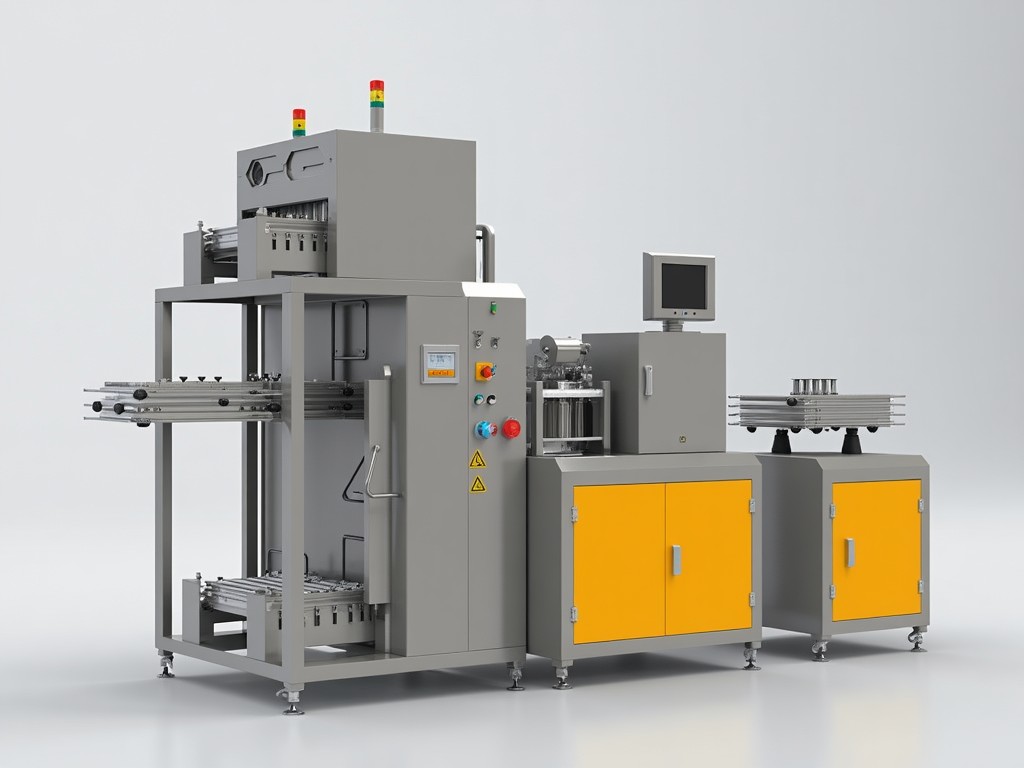
Factory Direct Egg Pallet Washing Machine
Overview
This equipment is designed to clean and sanitize plastic or wooden pallets used for transporting eggs in poultry processing facilities. It combines high‑pressure spray nozzles, adjustable conveyor speed, and a recirculating filtration system to remove organic residue, microbial contaminants, and detergent traces in a single pass.
Working Principle
Pallets enter the machine on a motorized roller conveyor and pass through three sequential zones: pre‑wash, main wash, and final rinse. In the pre‑wash zone, low‑pressure sprays loosen adhered debris; the main wash zone employs rotating spray arms delivering 120 bar water mixed with food‑grade detergent at 60 °C; the final rinse zone uses filtered water at 80 °C to eliminate chemical residues. A programmable logic controller adjusts dwell time based on pallet size and soiling level.
Technical Specifications
| Parameter | Typical Value | Customizable Range |
|---|---|---|
| Conveyor Speed | 0.2 m/s | 0.1–0.5 m/s (adjustable via VFD) |
| Wash Chamber Length | 2.4 m | 1.8–3.6 m (modular sections) |
| Water Consumption | 150 L/h (recirculation 85 %) | Dependent on cycle time; optional low‑flow nozzles |
| Electrical Supply | 380 V / 3 ph / 50 Hz | 220 V/440 V options available |
| Control System | PLC with touch‑screen HMI | Programmable recipes, remote monitoring via Ethernet |
Key Features
- Stainless steel 304 frame and wash tubing for corrosion resistance in high‑humidity environments.
- Quick‑change spray nozzles allow switching between different pallet geometries without tools.
- Integrated oil‑water separator reduces detergent carry‑over and extends filter life.
- Energy‑recovery heat exchanger preheats incoming water using exhaust warm air, cutting heating load by up to 30 %.
- Safety interlocks prevent conveyor start‑up when access doors are open, meeting ISO 13849‑1 PL e.
Applications in Egg Processing
Egg pallets often carry organic matter such as feather dust, broken shell fragments, and biofilm from hatchery conveyors. Residual contamination can migrate to egg shells during storage, increasing the risk of microbiological spoilage. By delivering a controlled thermal‑chemical wash, the machine reduces surface aerobic plate counts by ≥ 3 log CFU/100 cm², helping producers meet stringent hygiene standards such as BRCGS and SQF.
The modular design enables integration into existing wash lines or as a stand‑alone unit upstream of egg grading equipment, providing flexibility for facilities with varying throughput requirements.
Customization Options
- Adjustable pallet width guides (200 mm–800 mm) to accommodate different pallet footprints.
- Alternative wash media: ozone‑infused water or peracetic acid solution for chemical‑free sanitization.
- Add‑on air‑knife drying system to reduce post‑wash moisture content below 0.5 % w/w.
- Extended warranty packages including spare‑part kits and on‑site commissioning.
- Custom paint finishes or food‑grade coating for specific facility aesthetics.
Quality Assurance
Each unit undergoes factory acceptance testing that verifies spray pressure uniformity (± 5 %), temperature stability (± 2 °C), and conveyor speed accuracy (± 0.01 m/s). Material traceability is maintained for all stainless‑steel components, and welds are inspected via dye‑penetrant testing to ASME Section IX standards. Documentation includes a detailed test report, CE declaration of conformity, and optional third‑party verification upon request.
Frequently Asked Questions
Can the machine handle both plastic and wooden pallets?
Yes. Adjustable spray intensity and temperature allow safe cleaning of wood without causing swelling or delamination, while higher pressure settings are available for rugged plastic pallets.
What information is required before quotation?
Pallet dimensions (length, width, height), material type, desired throughput (pallets per hour), and any specific cleaning standards you need to meet.
How is quality inspected during production?
In‑process checks include hydrostatic testing of spray circuits, electrical continuity testing of the control panel, and final functional run‑with‑test pallets to verify cleaning efficacy.
What packaging methods are available for export?
Units are shipped in reinforced wooden crates with internal bracing, desiccant packs, and shock‑indicator labels. Optional seaworthy packaging includes vapor‑corrosion inhibitors and heat‑sealed barrier bags.
Contact for Technical Inquiry
To discuss configuration options, request a detailed quotation, or arrange a virtual factory walkthrough, please reach out to our engineering team.
Submit Inquiry


