Egg Printing Machine Price In India
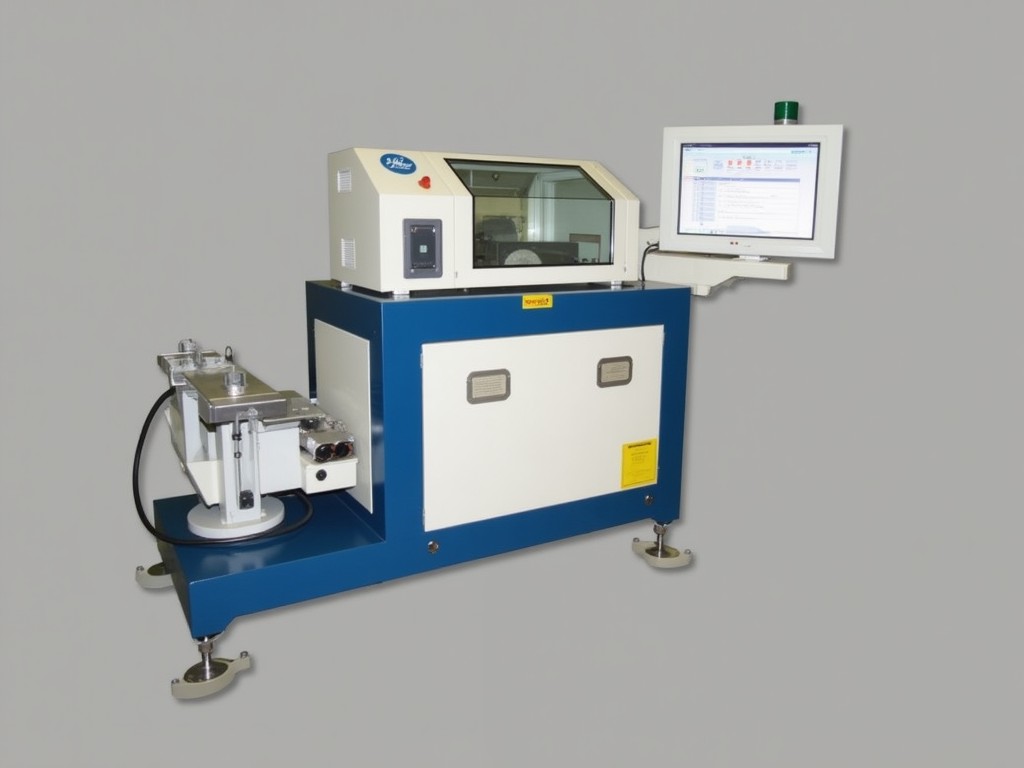
Egg Printing Machine Price in India
Egg printing machines apply food‑grade markings directly onto shells for traceability, branding, or regulatory compliance. The equipment must meet stringent hygiene standards because it contacts edible surfaces.
Printing Technologies Commonly Used
Two dominant technologies serve the egg market: continuous inkjet (CIJ) and laser etching. CIJ deposits tiny droplets of solvent‑based or water‑based ink, while laser etching alters the shell surface using a focused beam without consumables.
Key Specifications That Influence Cost
Throughput is expressed in eggs per hour (EPH) and depends on conveyor speed, drying or curing time, and the number of print heads. Resolution, measured in dots per inch (dpi), determines the clarity of logos, batch numbers, or QR codes.
Automation level also affects price. Semi‑automatic units require manual loading of trays, whereas fully inline systems integrate with grading, weighing, and packing lines, reducing labor but increasing mechanical complexity.
Typical Price Ranges (Ex‑Works, INR)
| Technology | EPH Range | Automation | Approx. Price (INR Lakhs) |
|---|---|---|---|
| Continuous Inkjet (single color) | 2,000 – 5,000 | Semi‑automatic | 4.5 – 6.5 |
| Continuous Inkjet (dual color) | 3,000 – 7,000 | Semi‑automatic | 6.0 – 8.5 |
| Laser Etching | 1,500 – 4,000 | Fully inline | 9.0 – 13.0 |
| Continuous Inkjet (four color) | 4,000 – 8,000 | Fully inline | 11.0 – 16.0 |
Applications in the Egg Industry
Traceability regulations in many markets require each egg to carry a farm code, laying date, or batch number. Printing directly on the shell eliminates label adhesion issues and reduces the risk of counterfeit packaging.
Brand owners use the same equipment to apply logos or promotional messages, enabling differentiated retail packs without secondary labeling steps. The non‑contact nature of laser etching preserves shell integrity, which is important for premium organic or free‑range products.
Factors That Affect the Final Quoted Price
Beyond the base machine, buyers should budget for food‑grade inks or laser safety enclosures, installation and commissioning, operator training, and annual maintenance contracts. Applicable GST rates and any import duties on sub‑assemblies also add to the landed cost.
Lead times typically range from 6 to 12 weeks for standard configurations, while customized integrations with existing grading lines may extend the schedule. Spare part availability and local service support influence total cost of ownership.
Frequently Asked Questions
Can the printing speed be adjusted for different egg sizes?
Yes, most conveyors feature variable frequency drives that allow line speed adjustments to accommodate small, medium, or large eggs while maintaining print quality.
What ink types are approved for direct food contact?
Manufacturers supply inks that comply with FDA 21 CFR §175.300 and EU Regulation 10/2011, ensuring they are non‑toxic and resistant to washing or cracking.
Is it possible to print variable data such as QR codes?
Both CIJ and laser systems can receive variable data from external databases via Ethernet or USB, enabling dynamic QR codes, serial numbers, or shift codes.
What maintenance is required for the print heads?
CIJ heads need routine cleaning cycles to prevent nozzle clogging, while laser sources require periodic lens inspection and alignment checks. Service manuals detail intervals based on operating hours.
Next Steps
To receive a detailed quotation tailored to your required EPH, technology preference, and integration scope, please share your line layout and production volume. Our technical team will evaluate the specifications and provide a firm price with delivery terms.
Request a Quote


