Egg Printing Machine In India
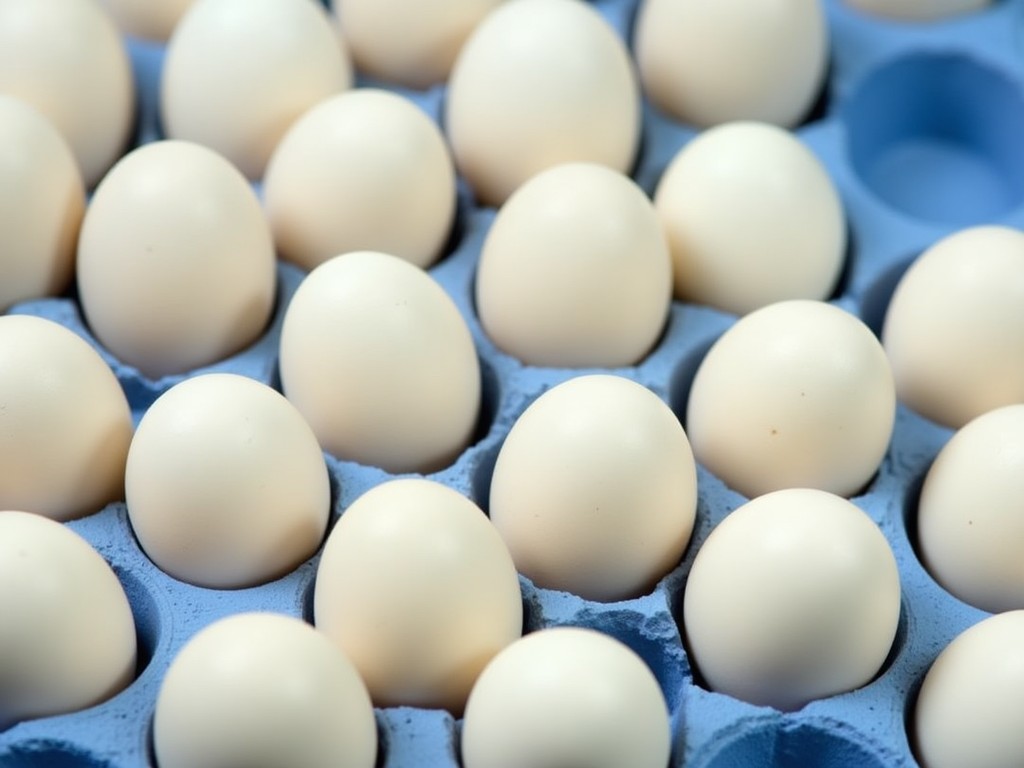
Egg Printing Machine – Technical Overview for Indian Manufacturing
Egg printing systems apply variable information such as production date, batch code, or brand logo directly onto the eggshell surface. The process must maintain shell integrity, use food‑safe consumables, and synchronize with high‑speed grading lines.
Operating Principle and Process Flow
The core technology is drop‑on‑demand inkjet, where piezoelectric actuators eject picoliter droplets of UV‑curable ink onto the moving egg. A UV lamp positioned downstream cures the ink within milliseconds, creating a durable, abrasion‑resistant mark.
Eggs are conveyed on a food‑grade belt equipped with timing wheels that trigger the print head based on egg position. The system can handle speeds up to 30 eggs per second with positional accuracy of ±0.5 mm.
Key Technical Specifications
| Parameter | Typical Value / Customizable |
|---|---|
| Print resolution | 300 dpi (standard), 600 dpi optional |
| Maximum throughput | 180 000 eggs / h (subject to conveyor speed) |
| Ink type | UV‑curable, food‑grade, ISO 22000 certified |
| Egg size range | 40 mm – 55 mm diameter (adjustable guides) |
| Power consumption | 1.2 kW (average), peak 2.0 kW during curing |
| Overall dimensions (L×W×H) | 1800 mm × 800 mm × 1500 mm (configurable) |
| Weight | 250 kg (base frame) |
| Control interface | PLC with HMI touchscreen, Ethernet/IP, Modbus TCP |
| Environmental rating | IP65 for wash‑down zones, IP54 for electronics |
Typical Applications in Food Processing
In poultry farms, the machine prints traceability codes that enable rapid recall tracking and compliance with FSSAI regulations. The mark remains legible after washing, grading, and packaging.
Processing plants use the system for brand differentiation, applying logos or promotional messages directly onto premium eggs without additional labels.
Research facilities employ variable data printing for experimental tracking, where each egg receives a unique identifier linked to feed or treatment logs.
Material Construction and Surface Treatment
All components that contact eggs or cleaning agents are fabricated from AISI 304 stainless steel, with optional upgrade to AISI 316 for higher chloride resistance. The frame uses powder‑coated carbon steel for structural rigidity.
Print heads are housed in sealed cartridges with FDA‑compliant seals, preventing ink migration. Conveyor belts are made of FDA‑approved polyurethane with anti‑static treatment.
Surfaces exposed to wash‑down receive a passivation layer, achieving resistance to common cleaning agents such as NaOH up to 2 % and phosphoric acid up to 5 %.
Customization Options
- Ink colour selection: black, blue, red, or UV‑fluorescent for specialty tracking
- Conveyor speed synchronization modules for lines ranging from 30 to 250 eggs per minute
- Integration kits for existing graders, including mechanical adapters and signal converters
- Data management software for batch code generation, database linking, and report export
- Alternative marking technology: low‑power CO₂ laser for permanent etching on specialty shells
- Extended warranty packages covering print head wear and UV lamp replacement
Quality Assurance and Testing Protocol
Before shipment, each unit undergoes a factory acceptance test that verifies print resolution, adhesion strength (≥ 1.2 MPa peel test), and cure completeness under simulated production humidity.
Ink compatibility is confirmed by immersing printed eggs in a 3 % saline solution for 24 h, ensuring no colour bleed or substrate degradation.
Electrical safety is validated per IEC 60204‑1, with insulation resistance exceeding 10 MΩ and grounding continuity below 0.1 Ω.
Installation, Integration, and Maintenance Considerations
The machine is delivered as a skid‑mounted module with adjustable leveling feet; alignment to the existing conveyor is achieved using laser‑guided fixtures within 30 minutes.
Preventive maintenance includes weekly print head nozzle checks, monthly UV lamp intensity measurement, and quarterly belt tension verification, all documented in the supplied maintenance log.
Spare parts such as ink cartridges, seals, and LED drivers are stocked regionally in India, reducing mean time to repair to under 4 hours.
Frequently Asked Questions
- Can the print position be adjusted for different egg orientations? Yes, the vision system detects egg tilt and adjusts droplet timing to maintain print registration within ±0.3 mm.
- What information is required before quotation? Required data include line speed, egg size range, desired print content (static or variable), and any environmental constraints such as wash‑down frequency.
- Which ink colours are available for food‑grade use? Currently offered colours are black, blue, red, and a UV‑fluorescent tracer; custom formulations can be discussed upon request.
- How is print quality inspected during operation? An inline camera system verifies mark presence and optical density, rejecting eggs that fall below a preset threshold.
- What packaging options are provided for shipment? Units are packed in triple‑wall corrugated crates with foam corner protection, sized for standard 20‑ft containers.
- What is the typical production lead time? Standard configurations ship within 6‑8 weeks after receipt of purchase order and technical confirmation.
Request for Quotation
To obtain a detailed proposal tailored to your line layout and regulatory needs, please provide the following:
- Expected daily output (eggs per shift)
- Shell colour and surface finish (white, brown, speckled)
- Required print fields (date, batch code, logo, QR)
- Integration preferences (stand‑alone or linked to existing PLC)
Our engineering team will review the specifications and return a formal quotation, including layout drawings, power requirements, and expected lead time.
Submit Inquiry


