Buy Egg Tray Washer For Poultry Farms
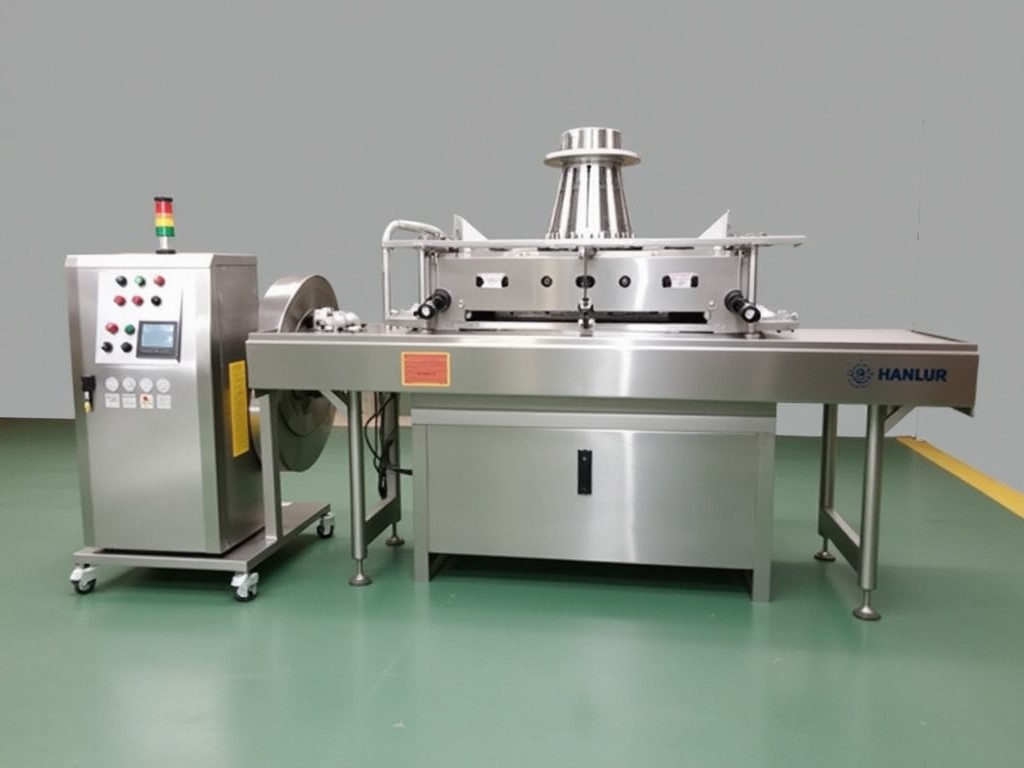
Buy Egg Tray Washer for Poultry Farms
Egg tray washers remove organic debris, microbial load, and residual albumen from plastic or fiber trays before they are returned to the hatchery line. This cleaning step reduces cross‑contamination risk and supports consistent chick quality.
Working Principle
Trays enter the machine on a conveyor belt and pass through a series of high‑pressure spray nozzles that dispense heated water and approved detergent. Rotating brush assemblies scrub both sides of each tray while a filtration system removes particulates and recirculates the wash fluid.
After the wash zone, trays move through a rinse section with fresh water and then an optional air‑knife drying zone that reduces moisture carry‑over to the next process.
Key Technical Specifications
| Parameter | Typical Value | Unit |
|---|---|---|
| Throughput capacity | Up to 1,200 | trays/hour |
| Wash cycle time | 8–12 | seconds per tray |
| Water consumption | 15–25 | liters/hour |
| Installed power | 3.5–5.0 | kW |
| Overall dimensions (L×W×H) | 2,200×900×1,400 | mm |
| Net weight | 320 | kg |
| Construction material | AISI 304 stainless steel | – |
Materials and Construction
The frame, spray manifolds, and brush housings are fabricated from AISI 304 stainless steel to resist corrosion from repeated exposure to warm water and cleaning agents. All contact surfaces are polished to a Ra ≤0.8 µm finish to facilitate cleaning and prevent bacterial harborage.
Seals and gaskets use food‑grade EPDM, rated for temperatures up to 95 °C, ensuring leak‑free operation during prolonged wash cycles.
Applications in Poultry Operations
In breeder and hatchery facilities, tray cleanliness directly influences embryo viability and early chick mortality. By eliminating biofilm and pathogenic residues, the washer helps maintain biosecurity standards required for programs such as NPIP or ISO 22000.
Labor savings arise because operators no longer need to manually scrub trays; the automated process delivers consistent results shift after shift, reducing variability in sanitation outcomes.
Customization Options
Conveyor speed can be adjusted via a variable‑frequency drive to match line rates ranging from 300 to 1,500 trays per hour. Brush pressure and spray temperature are independently controllable through the PLC interface.
Optional modules include a UV‑C disinfection stage post‑rinse and a heated air dryer that lowers tray moisture content to <5 % w/w before stacking.
Tray width guides are interchangeable to accommodate common industry sizes such as 30 × 40 cm, 31 × 42 cm, or custom dimensions provided by the customer.
Quality Control and Testing
Each unit undergoes a hydrostatic pressure test at 1.5 times the design pressure to verify weld integrity. Functional testing includes a cycle‑time verification with a loaded tray basket and a residual ATP measurement on cleaned trays to confirm cleaning efficacy.
Material certificates for stainless steel and elastomers are supplied with the shipment, and the manufacturer maintains traceability of critical components to lot level.
Frequently Asked Questions
Can the machine be integrated with existing conveyor lines?
Yes. The inlet and outlet heights are adjustable ±50 mm, and the frame includes mounting brackets for standard 40 mm profile rails commonly used in poultry plants.
What information is required for a quotation?
Required data include desired throughput (trays/hour), tray dimensions, available utilities (water pressure, electrical supply), and any special disinfection or drying requirements.
What materials are available for the brushes?
Standard brushes use polypropylene bristles with a stainless steel core; optional nylon or silicone bristles are offered for specific tray coatings or chemical compatibility.



