Automatic Egg Tray Washer For Poultry Industry
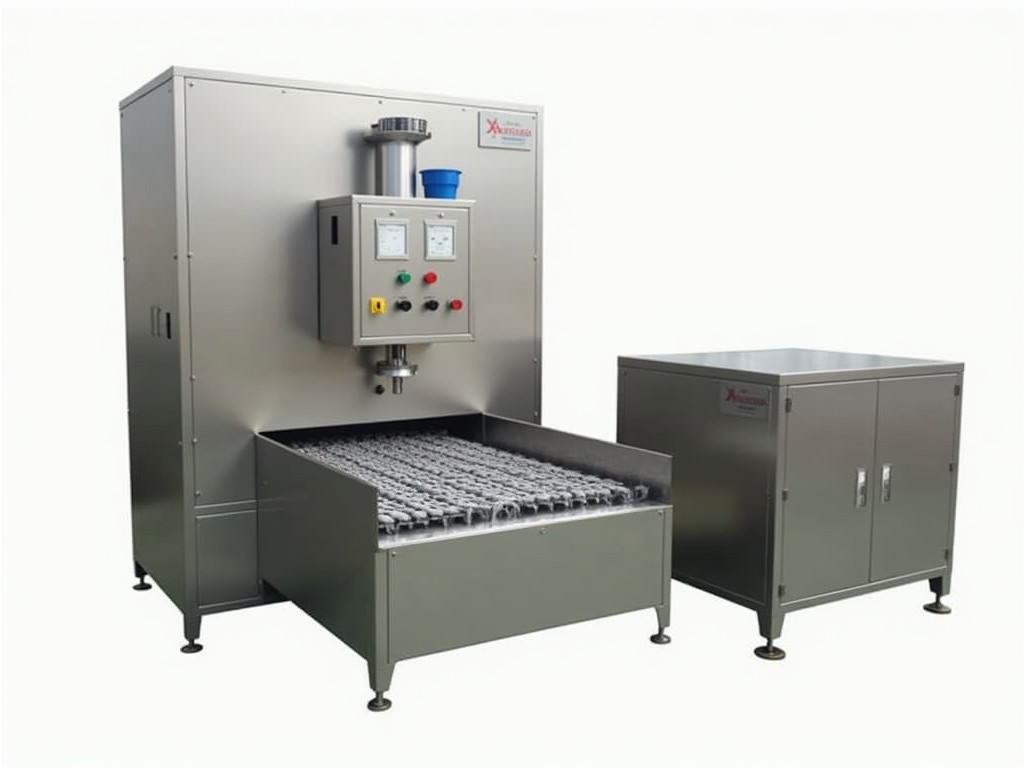
Automatic egg tray washer for poultry industry
High-volume poultry operations require rigorous sanitation of egg-carrying trays to maintain food safety and prevent cross-contamination between batches. Manual cleaning often fails to meet the consistency standards required for the deep removal of stubborn organic matter, dust, and residue. Automated systems provide a scalable solution through standardized mechanical action, ensuring every tray undergoes the same treatment protocol.
Technical Process Overview
The operational cycle of an automatic egg tray washer follows a multi-stage sequence designed to maximize cleanliness while minimizing water waste. It begins with a high-pressure primary spray phase that dislodges loose debris from tray fibers using angled nozzles. This is followed by a chemical wash stage where specialized, biodegradable detergents are circulated to break down proteins and fats adhered to the material surface.
Following the chemical treatment, the system performs a rinse using filtered or deionized water to eliminate any residual cleaning agents. The final stage involves a thermal or pneumatic drying cycle, which is critical for preventing microbial growth and ensuring the trays are ready for immediate re-entry into the poultry grading or packaging steps.
Key Engineering Specifications
| Parameter | Typical Values |
|---|---|
| Processing Capacity | 1,500 - 5,000 trays per hour (variable) |
| Water Consumption | 200 - 800 L/hour with recycling system |
| Power Requirement | 5.5 kW - 15 kW depending on drying method |
| Construction Material | AISI 304 Stainless Steel |
| Tray Compatibility | Customizable for plastic, pulp, or molded trays |
Material Selection and Durability
Durability in poultry environments is dictated by the material's ability to withstand constant moisture and aggressive chemical exposure. We construct the primary housing using AISI 304 stainless steel to provide high resistance to oxidation and pitting. For facilities utilizing high-salinity cleaning agents, AISI 316 stainless steel can be specified for critical contact components. All joints are reinforced to prevent the accumulation of bacteria in crevices, which are common points of failure in industrial washers.
Internal components, such as pumps and nozzles, are selected based on their duty cycle ratings. High-grade mechanical seals are utilized to prevent leakage during continuous 24/7 operation. The conveyor system is designed with low-friction rollers to minimize the mechanical wear on the trays themselves over thousands of cycles.
Applications and Integration
Automated tray washers are primarily integrated into large-scale poultry operations where tray reuse is an economic and environmental necessity. In hatcheries, these systems ensure that used trays are sterilized before holding new eggs, mitigating the risk of pathogen transfer. Grading facilities also utilize these units to maintain a continuous flow of clean material without manual bottlenecks.
In industrial recycling plants, the washer serves as the core stage for processing used pulp trays for new material production. By integrating the washer directly into the existing conveyor line, facilities can reduce labor costs and achieve a more uniform output quality that manual-washing cannot replicate.
Frequently Asked Questions
Can the system integrate water recycling technology?
Yes, most units can be equipped with a filtration and clarification unit that allows for water recirculation, reducing fresh water consumption by up to 80%.
What types of tray materials can the machine process?
The nozzle configuration and conveyor speed are adjustable to handle rigid plastic trays, molded pulp, or reinforced fiber trays, depending on the specific cleaning requirements of the material.
What is the typical lead time for custom configurations?
Lead times vary based on the capacity requirements and material specifications, typically ranging from 8 to 12 weeks from technical design approval.
Discuss the technical requirements of your poultry processing facility with our engineering team.
Request a Technical Specification and Quote


