Factory Direct Poultry Egg Packing Machine In Nigeria
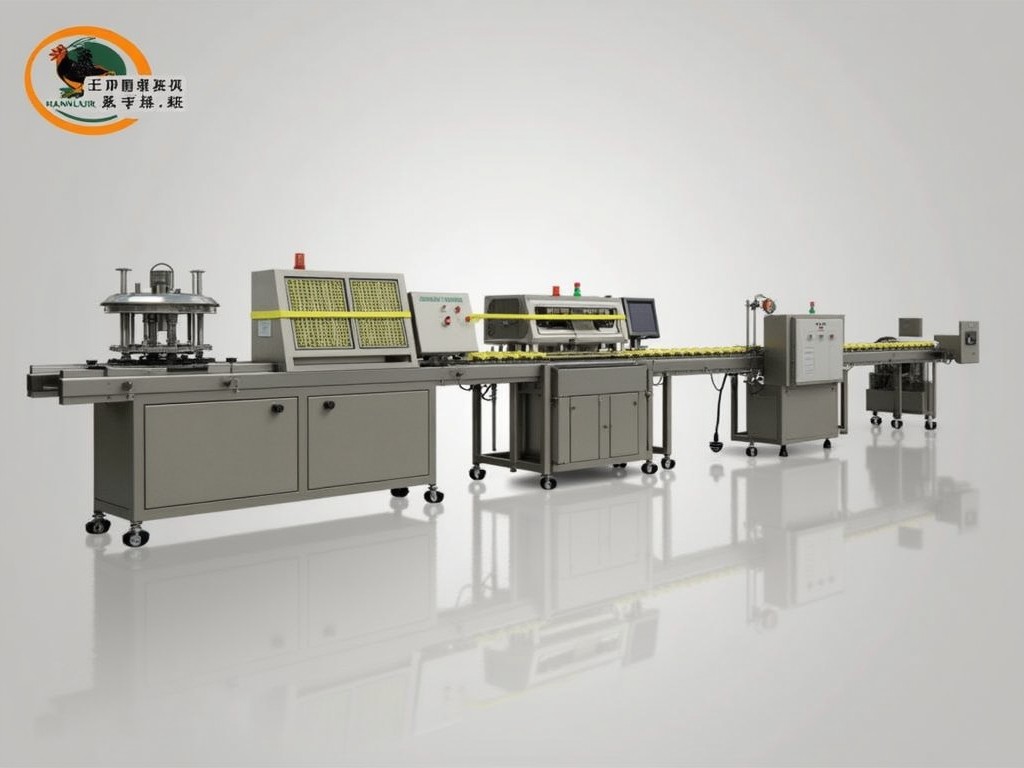
Factory Direct poultry egg packing machine in nigeria
The transition from manual egg-sorting and tray-loading to automated systems in the Nigerian poultry sector is driven by the need for significant reduction in breakage rates and an increase in throughput consistency. Manual packing processes often result in uneven weight distribution, which devalues the product in premium retail markets. Factory-direct poultry egg packing machines provide a standardized solution to these challenges, ensuring that every tray meets specific weight requirements before it reaches the distribution phase.
Modern automated systems integrate mechanical grading with electronic control logic to handle high volumes with minimal human intervention. By utilizing weight-based sensors, these machines can differentiate eggs into precise categories—small, medium, large, and extra—with high accuracy. This precision is critical for commercial farms looking to maintain contracts with supermarket chains and industrial food processors.
Technical Architecture and Component Overview
The core of the egg packing machine consists of an intake conveyor, a multi-stage grading unit, and a mechanical traying assembly. The frame is typically constructed from food-grade stainless steel 304 to ensure hygiene standards and resistance against the corrosive environments found in poultry processing facilities. The grading mechanism utilizes a series of rollers or plates that move eggs gently, minimizing physical impact during the sorting process.
Control systems are managed via a Programmable Logic Controller (PLC), which allows operators to adjust grading speeds and weight thresholds in real-time. This flexibility is vital because egg sizes can fluctuate based on the season or the specific breed being raised.
- Load Cells: High-precision sensors determine egg weight within ±1 gram accuracy.
- Conveyor Belts: Food-safe PVC belts designed to prevent slipping during transport.
- Automated Traying: Pneumatic arms that position 30-egg or 60-egg trays precisely.
- Variable Frequency Drives (VFD): Used to regulate motor speed, optimizing energy consumption and reducing wear.
Operational Workflow
The process begins when raw eggs are fed onto the primary intake conveyor. As they move through the grading zone, the system evaluates each egg's weight based on the pre-set digital parameters. Eggs that do not meet the quality criteria are diverted to a separate channel for manual inspection or use in secondary product production.
Once sorted, the eggs are transported to the traying station. Here, the machine fetches an empty tray from the magazine, fills it with the correct number of eggs, and pushes the completed tray onto the discharge line for wrapping or stacking. This continuous flow eliminates the bottlenecks associated with manual tray-stacking and labeling.
Technical Specifications
| Parameter | Typical Values |
|---|---|
| Capacity | 1,000 - 6,000 eggs/hour (Customizable) |
| Power Requirement | 2.2kW - 5.5kW |
| Material Construction | Stainless Steel 304 / Aluminum Alloy |
| Grading Method | Weight-based Electronic Sensing |
| Tray Compatibility | 30-egg, 60-egg Plastic/Paper trays |
Applications in the Nigerian Poultry Industry
In the context of the Nigerian market, these machines are primarily utilized by large-scale commercial operations that need to supply urban distribution centers. The automation of the packing process allows farms to maintain export-grade packaging, which is essential for entry into high-end retail environments in Lagos and Abuja.
Medium-sized cooperatives also utilize modular packing units to consolidate their output. By standardizing the egg sizes, these cooperatives can negotiate better pricing with industrial wholesalers who require uniform product specifications. Furthermore, the machines are designed to operate with robust voltage stabilizers, which is a necessary consideration given the local power infrastructure conditions.
Customization and Maintenance
Customization is available to meet the specific logistical needs of a facility. This includes integrating egg-washing and drying modules or adding automated labeling systems that print expiration dates onto the trays. The mechanical design prioritizes easy access to belts and sensors to minimize downtime during routine cleaning inspections.
Standard maintenance protocols focus on the lubrication of moving parts and the calibration of the load cells. Because the systems use standardized industrial components, replacement parts are generally accessible, ensuring long-term operational viability without requiring specialized imports.
Frequently Asked Questions
Can the machine handle different tray sizes?
Yes, the traying mechanism can be configured to accommodate either 30-egg or 60-egg configurations, supporting both plastic and paper pulp materials.
What is the typical production lead time for export?
Lead times typically range from 4 to 8 weeks depending on the specific technical configuration and customization requirements requested.
Is voltage protection included for the electronic components?
It is highly recommended to use an industrial-grade voltage stabilizer to protect the PLC and sensors from local power fluctuations.
Investing in automated egg packing technology is a strategic step toward scaling your poultry operations. Contact our engineering team to discuss technical specifications and custom solutions tailored for your facility.
Request a Technical Quote


