Egg Packing Machine Manufacturer China
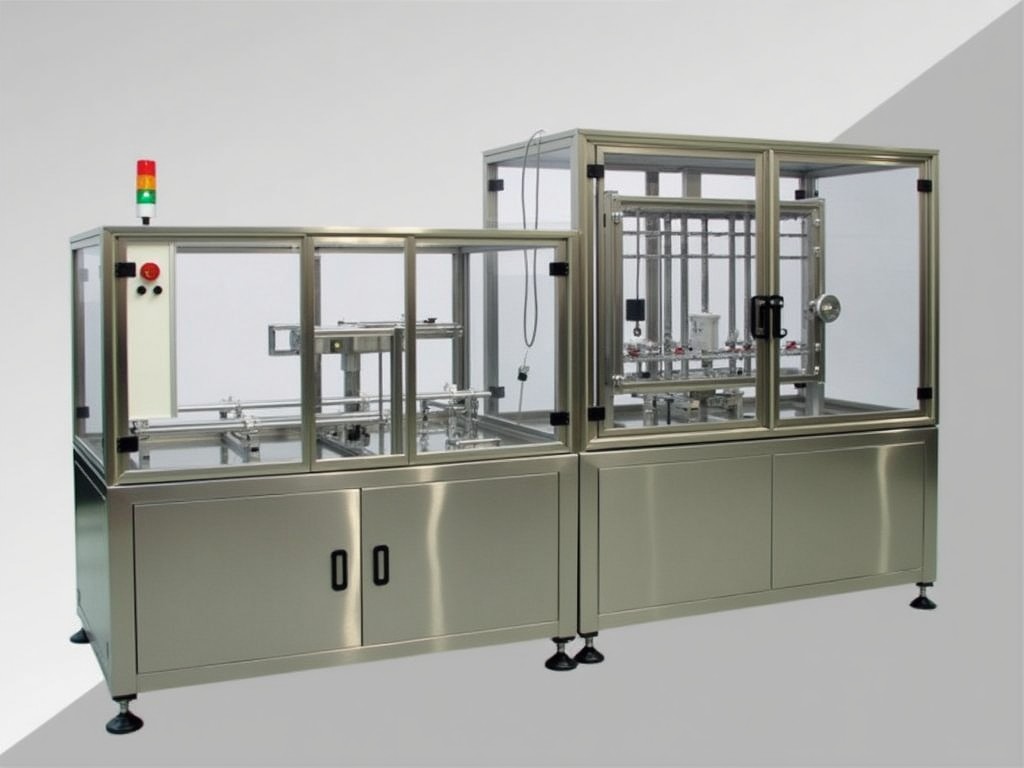
Egg Packing Machine Manufacturer – China Based Solutions
Egg packing machines automate the sorting, orienting, and placing of eggs into cartons or trays, directly influencing line efficiency and product integrity. For poultry processors, minimizing manual handling reduces breakage rates and maintains hygienic conditions required by food safety standards.
Technical Overview
Machines are typically configured as either inline rotary systems or linear pick‑and‑place units. Inline rotary designs achieve continuous motion with egg pickup stations spaced around a rotating drum, while linear units use servo‑driven arms that traverse a fixed lane. Both configurations allow adjustable pitch to accommodate different egg sizes, from small quail to large jumbo chicken eggs.
Key performance parameters include throughput capacity, power consumption, footprint, and construction material. The following table summarizes typical ranges for standard models; exact values can be tailored to specific line layouts and product mixes.
| Parameter | Typical Range | Notes |
|---|---|---|
| Speed (eggs/min) | 120 – 360 | Depends on number of lanes and egg size |
| Power Consumption (kW) | 1.5 – 4.0 | Includes drive motors and control electronics |
| Overall Dimensions (L×W×H, mm) | 1800×900×1500 – 2500×1200×1800 | Compact footprint facilitates integration |
| Construction Material | AISI 304 stainless steel (food grade) | Optional AISI 316 for high‑salinity environments |
| Control System | PLC with HMI touchscreen | Supports recipe storage and remote diagnostics |
Applications in Egg Processing Lines
In a typical breaking and grading line, eggs arrive via conveyor, are washed, candled for quality, then directed to the packer. The packing machine receives singulated eggs, orients them point‑down (or as required by carton design), and places them into pre‑formed pockets at a rate that matches upstream throughput. This synchronization prevents bottlenecks and reduces the need for manual re‑orientation, which is a common source of micro‑cracks.
Beyond standard chicken egg packing, the same equipment can be adapted for duck, quail, or specialty eggs by adjusting gripper size and pitch. Flexibility in tooling allows a single line to serve multiple product streams with minimal changeover time, a valuable attribute for processors serving both retail and food‑service markets.
Customization Options
- Number of lanes: 1 to 4, scalable for higher capacity
- Gripper material: food‑grade silicone, polyurethane, or stainless steel fingertips
- Carton/tray compatibility: adjustable width for 6‑, 12‑, 18‑, 24‑egg configurations
- Integration features: upstream conveyor sync, downstream sealers, or barcode printers
- Environmental sealing: IP65 rated wash‑down versions for high‑humidity zones
Quality Control Philosophy
Each machine undergoes a factory acceptance test that verifies speed consistency, placement accuracy within ±2 mm, and egg‑breakage rate under simulated load. Breakage is measured by counting cracked shells after a 10‑minute run at rated speed, with acceptance criteria typically below 0.2 %. Electrical safety is confirmed per IEC 60204‑1, and all stainless‑steel surfaces are passivated to resist corrosion from cleaning agents.
Documentation includes material certificates, weld inspection reports, and a preventive maintenance schedule detailing lubrication points, belt tension checks, and sensor calibration intervals. This approach supports long‑term reliability and helps customers predict total cost of ownership.
Next Steps
To discuss how an egg packing machine can be matched to your line’s capacity, egg variety, and layout constraints, provide your current throughput target, egg size range, and any specific packaging format. Our engineering team will respond with a preliminary layout sketch, power requirement estimate, and lead‑time proposal.
Request Technical Consultation


