China Automatic Egg Packing Machine Supplier
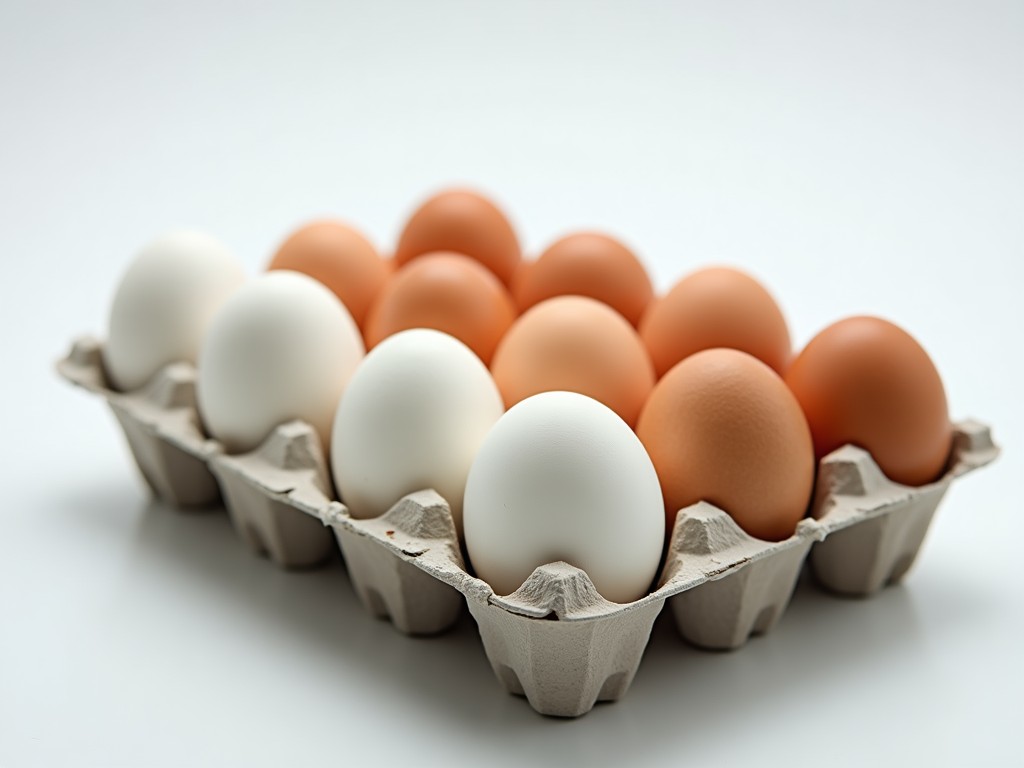
China Automatic Egg Packing Machine Supplier
The transition from manual egg handling to automated packing systems represents a critical shift for industrial-scale poultry operations. Modern manufacturing facilities in China now produce integrated solutions that combine sorting, weighing, and boxing into a single continuous mechanical flow. By minimizing human intervention, these systems significantly reduce egg breakage rates while ensuring consistent weight distribution, which meets stringent international retail standards.
Engineering focus in these machines centers on the synchronization of mechanical conveyors with sensitive sensor arrays. High-speed load cells detect weight variances in milliseconds, allowing the PLC to divert substandard eggs without stopping the primary line. This level of precision maintains the integrity of the product throughout the packaging cycle.
Technical Specifications of Automated Packing Systems
| Parameter | Typical Values / Range |
|---|---|
| Production Capacity | 2,000 - 12,000 eggs per hour (depending on configuration) |
| Tray Compatibility | Cardboard pulp, plastic trays, foam inserts |
| Control System | Industrial PLC (Siemens, Delta, or Mitsubishi) |
| Frame Material | Food-grade 304 Stainless Steel, reinforced aluminum |
| Power Requirement | 3.5kW - 15kW (variable by model) |
| Weight Accuracy | ± 1g to 5g |
Key Components and Engineering Logic
The core of an automated egg packer relies in the servo-motor-driven transport system. Unlike traditional pneumatic-only systems, servo drives allow for precise acceleration and deceleration curves, preventing the jarring movements that cause fractures. This mechanical control is vital when handling thin-shelled varieties or fragile organic eggs.
Optical sensors and ultrasonic proximity detectors monitor the orientation of each egg in real-time. If an egg is cracked or misaligned, the system triggers a pneumatic reject arm to divert the unit into a collection bin. This ensures that the final carton contains only high-specification products, reducing customer claims and return rates.
Material selection is prioritized based on hygiene and durability requirements. Contact points are typically constructed from high-density polyethylene or polished stainless steel to minimize friction and prevent bacterial buildup. These choices ensure the machine can withstand frequent high-pressure wash-down cycles common in food processing environments.
Integration into Production Lines
Automated packing machines rarely operate in isolation; they serve as the final stage of a larger processing ecosystem. Integration often requires connecting the packer to upstream washing, grading, and de-boxing stations. The modular design of modern units allows engineers to adapt the layout to fit existing floor plan constraints.
- Large-Scale Poultry Farms: High-throughput lines that process thousands of eggs daily with minimal labor overhead.
- Egg Processing Plants: Integration with liquid egg extraction or specialized-shell grading for retail-ready packaging.
- Export-Oriented Facilities: Systems configured to handle various labeling standards and tray sizes required for global markets.
Quality Control and Manufacturing Standards for Export Suppliers
Suppliers in this sector must adhere to rigorous testing protocols before equipment is shipped. This includes 48-hour continuous-run tests to identify potential mechanical fatigue or software glitches. Quality assurance teams also perform load-bearing tests to ensure the frame remains rigid under the vibration of full production speeds.
Documentation is another cornerstone of the industrial procurement process. Professional suppliers provide detailed electrical diagrams, PLC logic backups, and spare parts manuals with specific part numbers. This technical transparency allows local maintenance teams to perform rapid repairs and troubleshooting without waiting for external technical support.
Frequently Asked Questions
Can dimensions be customized for specific factory layouts?
Yes, conveyor lengths and machine frame widths can be adjusted to accommodate specific floor space requirements or integration with existing conveyor belts.
What is the typical production lead time for custom orders?
Typically, lead times range from 4 to 8 weeks depending on the complexity of the PLC programming and the availability of specialized components.
How are export shipments protected during transit?
Machines are generally secured in heat-treated wooden crates with internal bracing and moisture-barrier wrapping to prevent corrosion during sea freight.
Selecting the right automated egg packing solution requires a detailed analysis of your current throughput and facility constraints.
Request Technical Data Sheet and Quotation


