Buy Online Egg Inkjet Coding Equipment
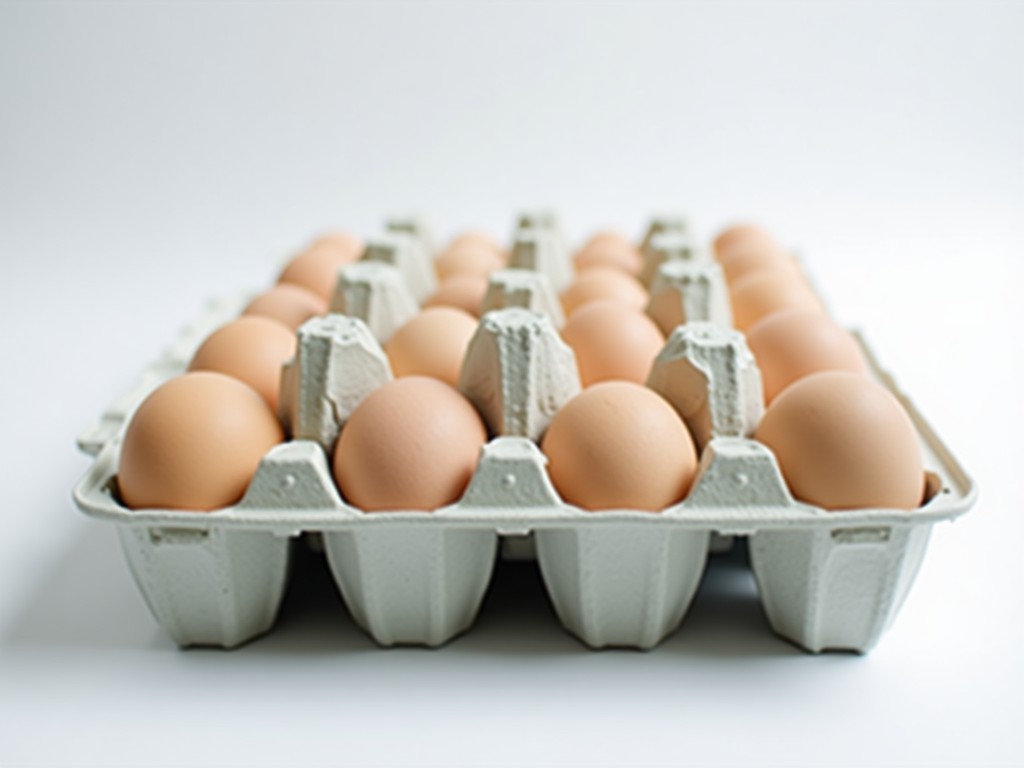
buy online egg inkjet coding equipment
Coding eggs in high-speed production environments requires specialized hardware that accounts for the porous, irregular geometry of the calcium carbonate shell. Unlike flat packaging surfaces, eggshells demand precise surface tension management to prevent ink migration and structural damage. Industrial-grade inkjet systems utilize micro-drop technology to deliver ink that dries instantly upon contact, ensuring legibility of batch dates and expiration codes without compromising the biological integrity of the product.
Engineers typically opt for thermal inkjet (TIJ) technology for this application due to its low maintenance requirements and high resolution compared to continuous inkjet systems. These systems integrate directly onto conveyor lines, eliminating the need for complex external pumps or cleaning cycles. This modular approach reduces the risk of nozzle clogging, a critical factor when operating in food-grade processing facilities.
Technical Specifications of Egg Inkjet Systems
| Technical Parameter | Typical Specification |
|---|---|
| Printing Method | Thermal Inkjet (TIJ) Cartridge-based |
| Maximum Resolution | 300 to 600 DPI |
| Max Production Speed | Up to 15,000 eggs per hour |
| Ink Type | Water-based, food-safe formulation |
| Interface Options | RS232, Ethernet, PLC I/O modules |
| Power Consumption | 12-24V DC (Standard) |
Ink Chemistry and Surface Compatibility
The efficacy of egg coding is dictated by the interaction between the ink solvent and the shell's surface energy. Water-based inks are the industry standard because they do not contain volatile organic compounds that could migrate into the food product. These inks are formulated with rapid-drying polymers that bond to the calcium carbonate surface, preventing the "bleeding" effect often seen with cheaper alternatives.
In environments with high humidity, the drying rate of the ink becomes critical. High-quality cartridges utilize specialized additives to ensure sharp character edges even when the eggshell is chilled. Procurement teams should verify that the ink meets local food safety regulations for direct food contact surfaces to ensure long-term compliance in the supply chain.
Integration into Production Lines
Mechanical installation of inkjet equipment requires precise synchronization with the existing conveyor speed. Photoelectric sensors are utilized to trigger the print head as each egg passes the nozzle, ensuring consistent spacing between codes. This automation eliminates human error and maintains throughput when line speed fluctuates.
Most systems feature adjustable mounting brackets that allow the print head to accommodate varying egg diameters, from standard grade to jumbo sizes. This flexibility allows a single machine to handle diverse product streams without significant mechanical reconfiguration. Furthermore, the software interface allows for real-time updates to data fields, such as batch numbers or timestamps, directly from the facility's central management system.
Selection Factors for Industrial Procurement
When evaluating equipment, focus shifts on the total cost of ownership rather than the initial purchase price. While TIJ-based systems involve recurring cartridge costs, they eliminate the need for expensive maintenance kits and specialized technicians required by continuous inkjet pumps.
- Nozzle Reliability: Evaluate the mean time between failures for print heads to minimize downtime.
- Software Flexibility: Assess the ease of programming variable data like QR codes or dynamic date matrices.
- Integration Capability: Ensure the hardware communicates seamlessly with your current PLC or ERP software protocols.
- Support Infrastructure: Confirm the availability of spare parts and technical support within your geographic region.
Frequently Asked Questions
Can the nozzle height be adjusted for different egg sizes?
Yes, most industrial systems include adjustable mounting assemblies that allow the operator to maintain the optimal focal distance (typically 2mm to 5mm) regardless of the egg diameter.
What is the typical ink consumption rate per million prints?
Consumption varies based on font size and density, but standard high-capacity cartridges typically yield between 500,000 and 1,500,000 prints depending on configuration.
How does the system interface with existing PLC controllers?
Systems generally provide digital I/O for simple triggering or Ethernet/RS232 ports for advanced data exchange and status monitoring directly from the PLC.
Require a technical analysis for your specific egg production line configuration?
Request Technical Consultation


