B2B Egg Packaging Machine For Table Egg
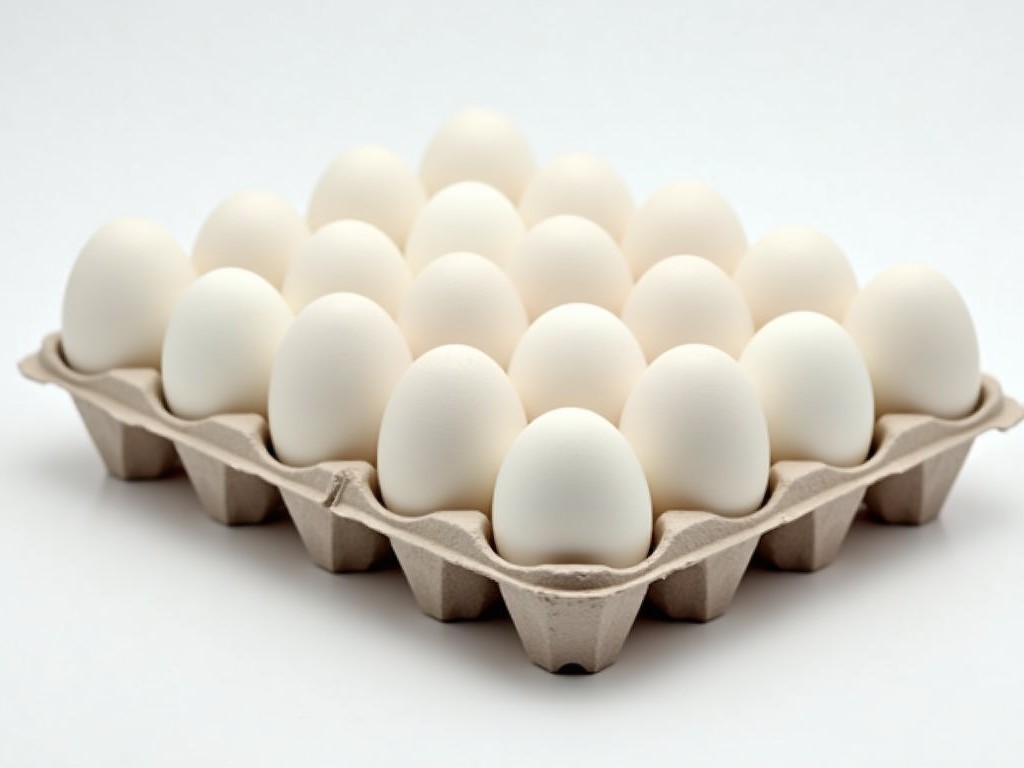
B2B Egg Packaging Machine for Table Egg
This equipment automates the collection, orientation, and placement of table‑grade eggs into consumer‑ready cartons or trays. It is designed for integration into mid‑ to high‑volume packing lines where consistent handling and minimal shell damage are critical to product yield and downstream retail acceptance.
Working Principle
Eggs are fed singly from a upstream conveyor onto a rotating turret that uses soft‑grip vacuum cups to lift each egg without applying compressive force. A vision system verifies orientation and detects cracks; mis‑oriented or defective eggs are diverted to a reject lane. Accepted eggs are then transferred to a carton‑forming station where they are dropped into pre‑formed pockets at a controlled speed to avoid impact.
Key Technical Parameters
| Parameter | Typical Value |
|---|---|
| Maximum throughput | Up to 120 eggs per minute (depending on carton size) |
| Egg size compatibility | Weight 45‑70 mm, length 50‑63 mm (USDA grades AA‑A) |
| Carton formats supported | 6‑, 12‑, 18‑, 24‑egg trays; custom cavities on request |
| Power supply | 380 V ± 10 %, 3‑phase, 50/60 Hz, 2.5 kW |
| Air consumption | 150 NL/min at 6 bar (filtered, oil‑free) |
| Control system | PLC with HMI touchscreen; Ethernet/IP optional |
Design Features
- Low‑force vacuum cups with replaceable silicone liners reduce micro‑crack incidence to below 0.2 % under typical load.
- Inline LED back‑lighting and high‑speed camera (200 fps) enable real‑time orientation feedback and reject actuation within 30 ms.
- Modular turret design allows quick change‑over between 6‑egg and 24‑egg carton nests in under 15 minutes without tools.
- Frame constructed from powder‑coated aluminum alloy (6061‑T6) provides corrosion resistance while keeping moving mass under 120 kg for low inertia.
- Sanitary design includes sloped surfaces, sealed bearings, and IP65‑rated motor housings to facilitate wash‑down compliance with FDA 21 CFR 110.
Material Options
- Food‑grade stainless steel (AISI 304) for all product‑contact surfaces (cups, chutes, divert gates) – optional upgrade from standard aluminum.
-
Anti‑static polyurethane belts for egg transport to prevent cling‑off in low‑humidity environments.
- Hard‑coated aluminum (anodized, 15 µm) for turret arms where weight reduction is prioritized over chemical exposure.
- Food‑grade PTFE coating available on vacuum cup housings to reduce adhesive wear during prolonged operation.
Applications in Table Egg Processing
In a typical table‑egg packing line, eggs arrive from washing and drying stations at ambient temperature. The machine’s gentle handling preserves the cuticle layer, which is essential for maintaining internal quality during refrigerated storage. By integrating vision‑based crack detection, the system helps producers meet Grade A standards with fewer manual inspections, thereby reducing labor costs and improving traceability. The modular nature allows the same unit to serve both retail‑size cartons and bulk‑pack trays used for food‑service distribution.
Customization & Integration
- Adjustable lane width (100‑400 mm) to accommodate varying conveyor spacings without custom frame fabrication.
- Optional rotary carton sealer or heat‑seal module can be mounted downstream for fully sealed packaging.
- Software packages include OEE tracking, recipe management for multiple carton types, and remote diagnostics via VPN.
- Mechanical interfaces available for synchronization with upstream loaders (pneumatic or servo‑driven) and downstream case packers using standard IEC 61800‑3 motion buses.
Quality Assurance & Testing
Each unit undergoes a factory acceptance test (FAT) that includes a 24‑hour run‑at‑rated speed with a statistically significant sample of eggs (n = 5000) to verify average crack rate, mis‑placement rate, and carton sealing integrity. Test results are documented in a traceable report and shared with the customer prior to shipment. Field service teams can perform on‑site installation qualification (IQ) and operational qualification (OQ) using calibrated load cells and vision system validation tools.
Frequently Asked Questions
-
Can the machine handle free‑range or omega‑3 enriched eggs with thinner shells?
Yes. The vacuum cup force is adjustable from 0.15 N to 0.45 N, allowing lower grip pressure for delicate shells while maintaining reliable lift.
-
What information is required before a quotation can be issued?
Desired throughput (eggs/min), carton dimensions and material, facility power specifications, and any environmental constraints (e.g., wash‑down frequency, ambient temperature range).
-
Are there options for integrating with existing MES or ERP systems?
The PLC supports Modbus TCP and OPC UA endpoints; data points include real‑time count, reject rate, and alarm status. Custom mapping can be discussed during the design phase.
-
How are spare parts managed for long‑term operation?
Critical wear items (vacuum cups, belts, sensors) are stocked in standardized kits with part numbers documented in the maintenance manual. Lead time for standard kits is typically 2‑3 weeks.
Call to Action
To discuss how this egg packaging solution can be adapted to your specific line layout and product mix, please contact our technical sales team.
Request Technical Consultation


