B2B Egg Farm Packaging Machine Supplier
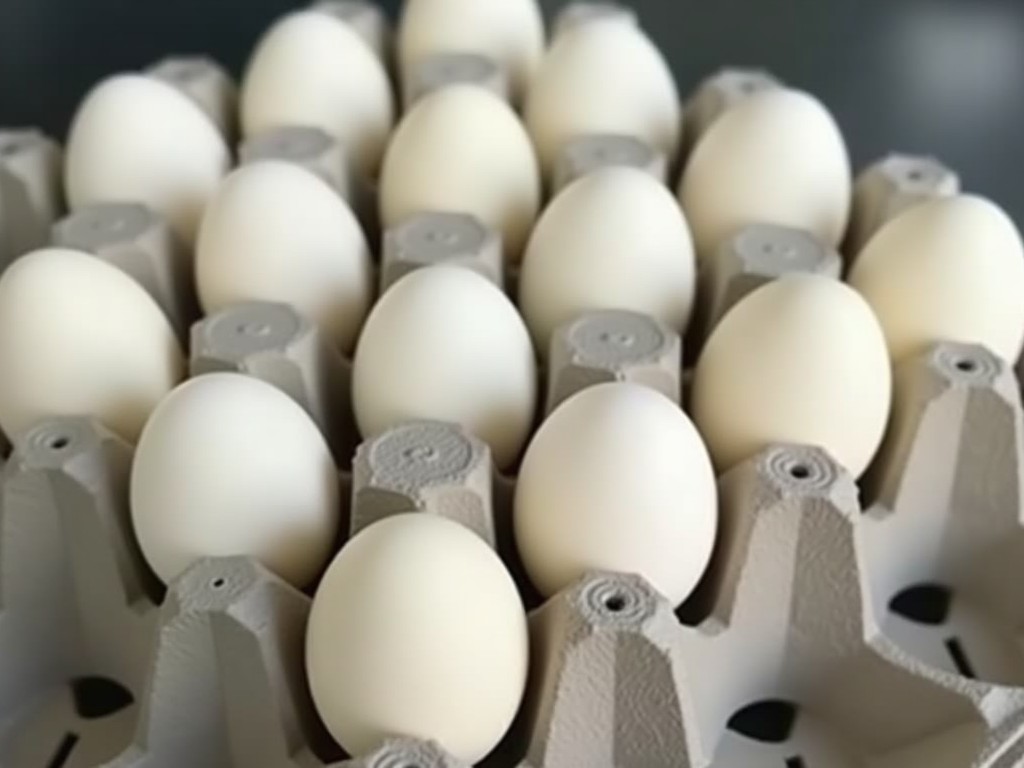
B2B Egg Farm Packaging Machine Supplier
Egg farms require packaging systems that can handle fragile shells while maintaining high throughput and strict hygiene standards. Suppliers of these machines focus on mechanical gentleness, adjustable speed controls, and materials that resist corrosion from frequent cleaning cycles.
Operating Principles
The core mechanism typically uses a series of soft‑grip belts or vacuum cups that lift each egg individually and place it into a pre‑formed carton or tray. Synchronized drives ensure that the transfer speed matches the upstream conveyor, reducing the chance of collisions or drops. Adjustable pressure settings allow the same hardware to accommodate different egg sizes, from small quail to large jumbo varieties.
Key Technical Specifications
| Parameter | Typical Range |
|---|---|
| Capacity (eggs per hour) | 2,000 – 12,000 |
| Line Speed (meters per minute) | 10 – 45 |
| Power Consumption (kW) | 1.5 – 4.0 |
| Overall Footprint (L×W×H, mm) | 1,800×900×1,500 (configurable) |
| Machine Weight (kg) | 350 – 620 |
| Control Voltage (V AC) | 380 – 480 (3‑phase) |
Material Construction
Frames are usually built from cold‑rolled steel with a powder‑coat finish to withstand wash‑down chemicals. Contact surfaces that touch eggs are made of FDA‑compliant polyethylene or stainless steel grade 304, selected for low friction and ease of sanitising. Bearings and drive components often use sealed units to prevent ingress of water and dust during cleaning cycles.
- Frame: S235JR steel, powder‑coated (RAL 7035)
- Egg contact: UHMW‑PE or AISI 304 stainless
- Guards and covers: Polycarbonate, UV‑stabilised
- Seals: EPDM, resistant to alkaline cleaners
Customization Capabilities
Suppliers adjust the machine to match specific farm layouts and product mixes. Common modifications include variable lane widths for different carton sizes, integration with existing weighing or grading systems, and optional sanitary enclosures for high‑risk environments. Control software can be tailored to communicate with farm management platforms via Modbus TCP or OPC UA.
- Lane width: 30 mm – 80 mm adjustable
- Infeed/outfeed height: 800 mm – 1,200 mm
- Optional: Automatic carton erectors, sealers, date coders
- Control panel: Touchscreen HMI, IP65 rated
- Power options: 380 V, 400 V, 415 V, 480 V
Quality Assurance & Testing
Before shipment each unit undergoes a functional run‑test with a representative egg sample to verify drop‑free transfer rates above 99.5 %. Dimensional checks confirm that critical clearances stay within ±0.2 mm of design values. Electrical safety is validated with hip‑pot and insulation resistance tests according to IEC 60204‑1. Documentation includes a test certificate, wiring diagrams, and a preventive maintenance schedule.
Applications in Egg Farming
Packaging machines are positioned after washing and drying lines where eggs are still warm and susceptible to micro‑cracks. By using gentle handling mechanisms the equipment reduces shell fracture incidents, which directly improves grade‑A yield and lowers waste. The ability to switch between different carton formats enables farms to serve both retail and food‑service markets without changing hardware.
FAQ
- Can the machine be integrated with existing conveyors? Yes, the inlet and outlet heights and speeds are adjustable to match line specifications.
- What information is needed for a quotation? Required details include target eggs‑per‑hour, carton dimensions, facility power voltage, and any desired optional modules.
- Which materials are available for egg‑contact parts? Typically UHMW‑PE or 304 stainless steel; alternatives can be quoted upon request.
- How is quality inspected before delivery? Each unit runs a functional test with sample eggs, followed by dimensional and electrical safety checks.
- What packaging options are supported? The machine handles standard 30‑egg trays, 12‑egg cartons, and custom‑formed containers up to 100 mm width.
- How are export shipments protected? Units are secured on pallets with foam edge protectors and wrapped in stretch film; corrosion inhibitor bags are added for long sea freight.
- What is the typical production lead time? Lead times range from 6 to 10 weeks depending on configuration and current order load.
- Are samples or factory visits possible? Sample runs can be arranged at the supplier’s facility; virtual walkthroughs are also available.
Contact for Inquiry
To discuss your specific packaging requirements, request a detailed quote, or schedule a technical consultation, please reach out using the link below. Our engineering team will review your operational data and provide a solution tailored to your farm’s capacity and hygiene standards.



