Factory Direct High Speed Egg Loading Machine
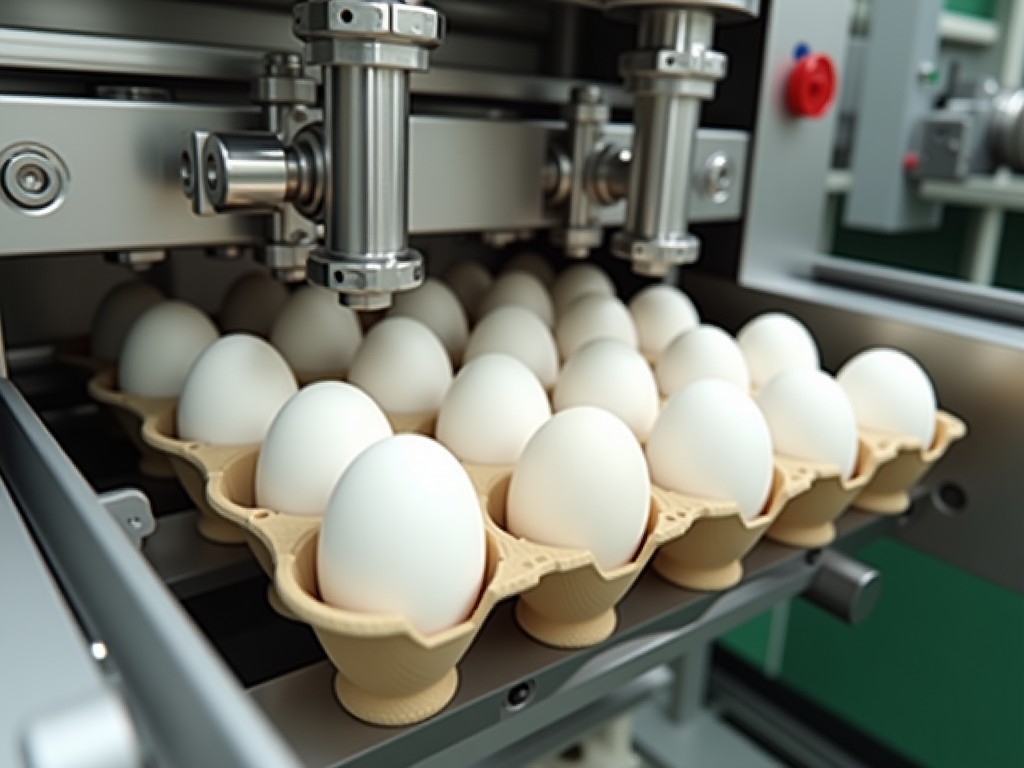
Factory Direct high speed egg loading machine
Automated egg processing requires a seamless transition between the grading stage and the final packaging phase to maintain high throughput. A high-speed egg loading machine serves as the critical link, transferring eggs from conveyor systems into trays or crates with precision timing. By replacing manual handling, these systems significantly reduce the risks associated with human error and ensure a consistent flow rate across the entire production line.
Engineering these machines focuses on minimizing mechanical impact on the shell. The loading mechanism utilizes synchronized sensors to detect egg position, ensuring that each unit is placed only when the tray is correctly aligned. This prevents collisions that often lead to microscopic hairline fractures in less sophisticated automated systems.
Technical Features & Engineering Design
The core architecture of the loading machine relies on a high-speed belt or a mechanical arm assembly, depending on the specific throughput requirements. Each component is constructed from food-grade stainless steel to withstand the rigorous washdown procedures typical in poultry processing environments. This material selection ensures long-term durability and prevents contamination within the egg supply chain.
Synchronization is managed through a centralized PLC (Programmable Logic Controller), which coordinates the loader speed with the upstream grading machine. If the grading speed fluctuates, the loader adjusts its cycle in real-time to prevent pile-ups or empty trays. This adaptive logic is essential for maintaining operational efficiency during peak production hours.
- Variable frequency drives for precise motor control.
- Optical sensors for egg detection and tray alignment verification.
- Soft-touch contact points designed to dissipate kinetic energy.
- Modular frame design for easy integration into existing factory layouts.
Key Specifications
| Parameter | Typical Values |
|---|---|
| Loading Speed | 2,000 - 6,000 eggs per minute (EPM) |
| Frame Material | SUS 304 Stainless Steel |
| Tray Compatibility | Standard plastic and pulp trays |
| Power Requirement | 1.5kW - 4.0kW (3-Phase available) |
| Control System | Siemens or Delta PLC |
Applications & Integration
These loading systems are primarily deployed in large-scale egg grading plants where volume makes manual labor unfeasible. In these environments, the machine sits immediately after the sizing and grading unit, receiving sorted eggs and placing them into trays for transport to the packer.
Beyond standard grading, the machines are utilized in specialized processing facilities that handle different egg sizes or fragile requirements. By automating the loading process, facilities can reduce the footprint of their production line, as one automated loader occupies less space than the multiple manual packing stations.
Customization & Material Options
Every production facility has unique spatial constraints and tray specifications. Customization options include adjustable conveyor widths to accommodate different tray dimensions and modified heights to match existing line equipment. Furthermore, the belt material can be selected from high-friction PVC or specialized silicone depending on the egg surface properties being handled.
Material upgrades are also available based on the local environment. For facilities with high humidity or corrosive cleaning agents, SUS 316 stainless steel can be utilized to prevent oxidation and ensure the structural integrity of the machine frame over several years.
Quality Control & Manufacturing Process
Manufacturing begins with precision laser cutting of the frame components to ensure structural stability under high-speed vibration. Each assembly undergoes a rigorous stress test to verify that the mechanical components can handle maximum rated speeds without premature wear or mechanical misalignment.
Before shipment, every unit is calibrated in a simulated environment. This involves testing the sensor response against various tray speeds to ensure the PLC logic operates with zero error rates. This comprehensive quality control philosophy ensures that when the machine arrives at the site, integration is straightforward and requires minimal downtime.
Need to discuss technical requirements or request a quote for your egg processing line?
Request a Technical Consultation


