Factory Direct High Capacity Egg Loading Machine
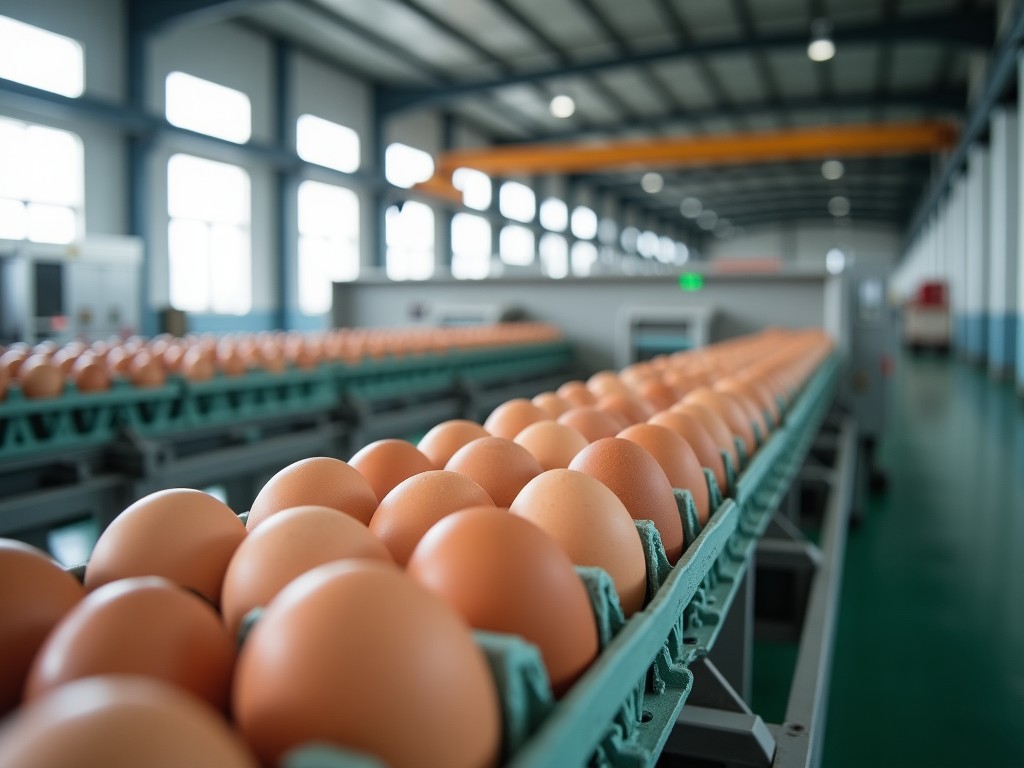
Factory Direct High Capacity Egg Loading Machine
Automating the transfer of eggs in large-scale poultry operations requires a balance between mechanical speed and delicate structural handling. High-capacity egg loading machines are engineered to bridge the gap between collection and processing lines, minimizing the physical impact on the fragile eggshell. By replacing manual labor with synchronized conveyor systems, these machines reduce breakage rates and maintain a consistent flow rate in high-throughput hatchery environments.
The engineering logic behind these loading systems focuses on uniform distribution to prevent clumping and uneven mechanical stress. Unlike simple gravity-fed systems, modern high-capacity units utilize sensor-driven mechanisms to ensure that eggs are placed into trays at optimal intervals. This precision is critical when dealing with thousands of units per hour, where even minor misalignment can lead to significant losses across the production line.
Core Technical Features and Engineering Logic
The core of the egg loading machine lies in the synchronization between the loading arm and the tray transport belt. High-speed servo motors allow for micro-adjustments in speed, responding in real-time to fluctuations in incoming egg flow. This adaptability prevents the buildup of eggs, which is the primary cause of shell fractures in automated systems.
- Variable Frequency Drive Control: Enables the operator to match the specific speed of existing downstream processing equipment.
- Soft-Touch Contact Points: Utilizes food-grade polymers and padded rollers to dissipate kinetic energy during the loading phase.
- Optical Sensor Integration: Detects tray presence and orientation to prevent mechanical loading onto empty or jammed trays.
- Modular Frame Design: Allows for easy reconfiguration to fit various facility floor layouts without requiring extensive structural changes.
Technical Specifications
| Parameter | Typical Values / Specifications |
|---|---|
| Loading Capacity | 5,000 - 15,000 eggs per hour (configurable) |
| Material Construction | SUS 304 Stainless Steel / Food-grade Aluminum |
| Power Requirement | 2.2kW - 5.5kW (depending on motor configuration) |
| Conveyor Type | Modular PVC Belt or Stainless Steel Chain |
| Control System | PLC-based HMI Touchscreen Interface |
| Tray Compatibility | Customizable to specific tray dimensions |
Material Selection and Durability Standards
In industrial poultry environments, material selection is dictated by both hygiene standards and environmental resistance. These loading machines are primarily constructed from 304 stainless steel to provide resistance against the corrosive cleaning agents and high humidity common in hatcheries. This ensures the structural integrity of the machine over years and prevents contamination of the egg product.
Moving parts that come into contact with eggs are manufactured from high-density polyethylene (HDPE) or specialized polymers. These materials are chosen for their low coefficient of friction, which reduces the abrasion on the eggshell. By utilizing wear-resistant components, the machine minimizes the maintenance interval and maintains peak performance even under continuous 24-hour operation cycles.
Industrial Applications
High-capacity egg loading systems are essential for facilities where the volume of product makes manual handling unviable. In large-scale hatcheries, these machines serve as the primary link between the collection area and the incubation or grading transport stages.
Beyond hatcheries, these systems are integrated into automated egg processing plants where sorting and grading occur immediately after loading. The ability to integrate with existing conveyor layouts allows plants to upgrade their throughput without a total facility overhaul, providing a scalable solution for growing operations.
Customization and Quality Control
Every facility operates with unique spatial constraints and production requirements. Consequently, we offer customization of the frame height, conveyor belt width, and specific tray-holding mechanisms to match existing inventory. This ensures that the loading machine fits seamlessly into the current workflow rather than creating a bottleneck.
Quality control involves rigorous testing of the PLC logic and sensor accuracy before shipment. We verify the response times of the optical sensors to ensure that no trays are missed at maximum operational speeds. This proactive testing approach ensures that the equipment arrives on-site ready for immediate integration with minimal downtime for commissioning.
Frequently Asked Questions
Can the machine be customized for my specific tray type?
Yes, the loading guides and conveyor belts can be engineered to accommodate various dimensions and material types of egg trays currently used in your facility.
What information is required before a formal quotation?
To provide an accurate quote, we require your hourly egg capacity, tray specifications, and the layout of your existing conveyor line.
What is the typical production lead time for orders?
Lead times typically vary from 4 to 8 weeks, depending on the level of customization required and current manufacturing schedules.
Ready to optimize your egg handling process? Contact our engineering team for a technical consultation and quote.
Request Technical Specifications


