B2B Egg Loading Equipment Manufacturer
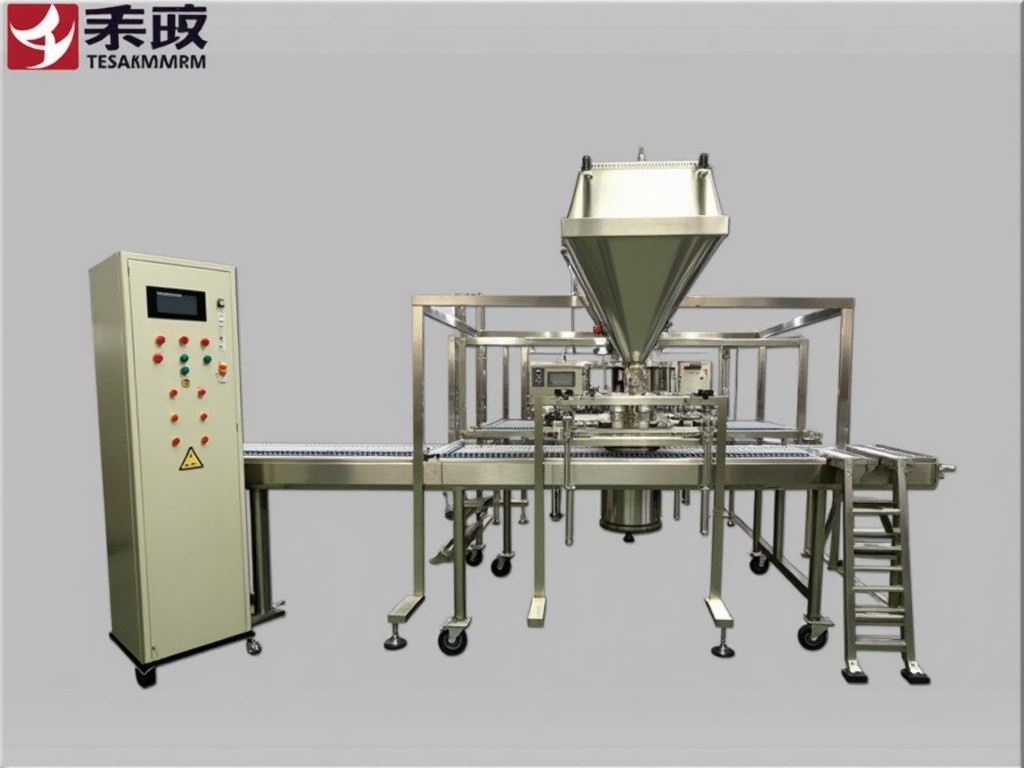
B2B Egg Loading Equipment
Operating Principle
Egg loading equipment receives trays or flats from upstream conveyors and transfers individual eggs onto downstream processing lines with precise orientation control. The mechanism typically combines gentle vacuum suction, mechanical grippers, or soft‑touch belts to minimize shell damage while maintaining throughput rates required for high‑volume poultry plants.
Sensors detect tray presence, egg count, and orientation, feeding data to a programmable logic controller that synchronizes gripper actuation with line speed. This closed‑loop control reduces misfeeds and ensures consistent product flow to washing, candling, or packaging stations.
Key Technical Parameters
| Parameter | Typical Range | Notes |
|---|---|---|
| Maximum throughput | Up to 120,000 eggs/hour | Depends on egg size and line configuration |
| Egg size accommodation | 45 mm – 65 mm diameter | Adjustable grippers or vacuum cups |
| Power consumption | 2.5 kW – 4.0 kW | Based on motor drive and control electronics |
| Control voltage | 24 VDC or 110/220 VAC | Selectable per customer facility |
| Footprint (L × W × H) | 1800 mm × 900 mm × 1500 mm | Compact design for integration into existing lines |
Material Construction
Frame components are fabricated from stainless steel grade 304, offering corrosion resistance in wet processing environments and compliance with food‑grade sanitation standards. Contact surfaces that engage eggs are made from FDA‑approved polypropylene or silicone‑coated aluminum, selected for low friction and non‑reactive properties.
Bearings and drive shafts utilize sealed, food‑grade lubricants to prevent contamination. All fasteners are either stainless steel or coated with zinc‑nickel plating to resist wash‑down chemicals used in routine CIP (clean‑in‑place) procedures.
Typical Applications
In breeder farms, the equipment transfers fertile eggs from collection trays to incubators, maintaining consistent orientation to optimize hatch rates. The gentle handling reduces micro‑cracks that could compromise embryo viability.
For table‑egg producers, loaders integrate with washing and candling lines, supplying a steady stream of eggs to quality inspection stations. Accurate spacing prevents blockages and ensures uniform exposure to cleaning agents and light.
In processing plants that produce liquid egg or egg‑based ingredients, loaders feed breaker machines where shells are removed. Synchronization with breaker speed minimizes downtime and maximizes yield of usable egg product.
Customization Options
- Adjustable lane width to accommodate different tray formats (e.g., 30‑egg, 36‑egg flats)
- Choice of gripper type: vacuum cups, mechanical fingers, or soft‑belt conveyors
- Integration kits for existing conveyor heights and speeds
- Optional UV‑C sanitization modules mounted above the loading zone
- Remote monitoring via Ethernet/IP or Modbus TCP for OEE tracking
Quality Assurance & Testing
Each unit undergoes a factory acceptance test that measures cycle time, egg breakage rate (target <0.05 %), and alignment accuracy under simulated line loads. Vibration analysis confirms structural integrity across the operating speed range.
Material traceability is maintained for all food‑contact parts, with certificates of conformance supplied upon request. Final inspection includes a sanitation verification swab to ensure no residual contaminants before shipment.
Frequently Asked Questions
Can the loader be adapted to handle both table eggs and hatching eggs? Yes, by changing gripper fixtures and adjusting sensor thresholds, the same frame can serve both product types with minimal re‑configuration.
What information is required for a quotation? Required data include desired throughput, egg size range, existing line speed and height, and any specific sanitation or integration constraints.
Which materials are available for egg‑contact surfaces? Standard options are food‑grade polypropylene, silicone‑coated aluminum, and stainless‑steel mesh; alternative materials can be quoted based on regulatory needs.
How is quality inspected before delivery? Each machine is run through a functional test cycle, followed by a visual and dimensional check of all critical components, and a sanitation swab test on contact surfaces.
What packaging methods are used for export shipments? Units are secured on wooden pallets, wrapped in stretch film, and protected with corner braces; optional wooden crates are available for high‑vibration transport routes.
Contact for Inquiry
To discuss your specific egg loading requirements or request a detailed quotation, please reach out to our technical sales team.



