Automatic Egg Loading System Factory Price
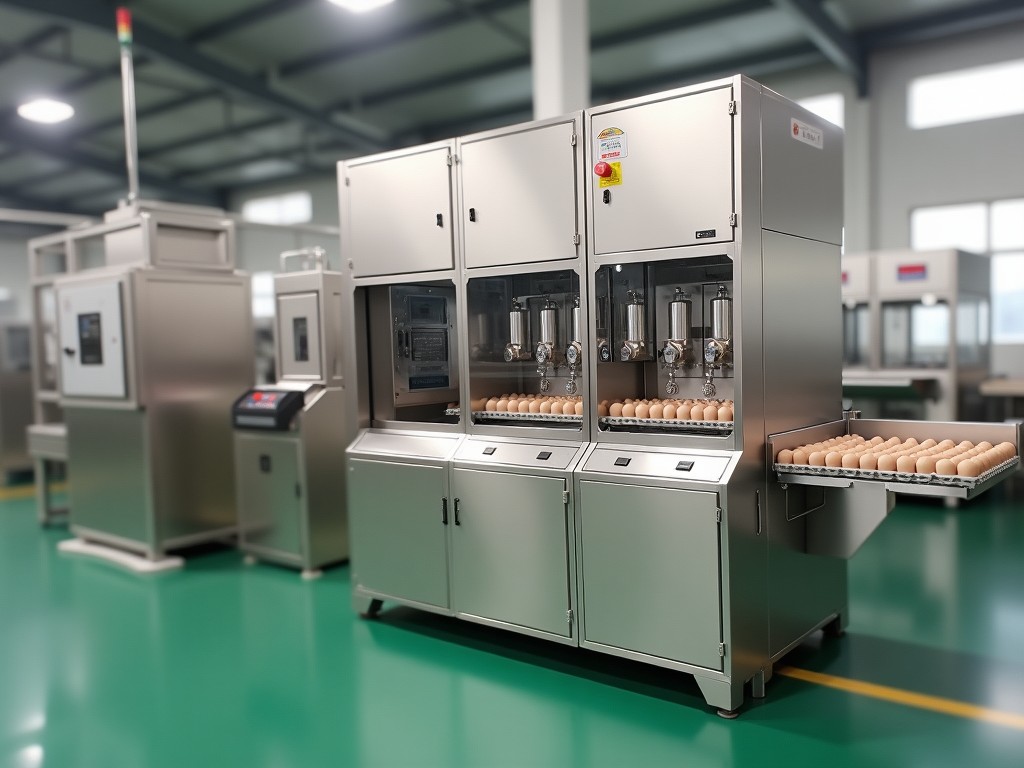
automatic egg loading system Factory Price
The transition from manual egg handling to automated loading systems represents a critical step for modern poultry processing facilities seeking operational consistency. Manual labor often introduces high rates of shell fracture and inconsistent throughput, which directly impact the bottom line. An automatic egg loading system standardizes the transfer of eggs from collection points to downstream grading or packaging lines, ensuring that each unit is handled with calibrated force to minimize stress.
These systems are engineered to integrate into high-speed production environments while maintaining strict hygiene standards. By utilizing precision-timed conveyors and soft-touch transport mechanisms, the equipment minimizes the need for human intervention, allowing for a continuous flow that maximizes peak production hours.
Core Components of Automatic Egg Loading Systems
The mechanical heart of the loading system is the conveyor assembly, typically constructed from food-grade stainless steel with specialized roller or belt chains. Roller conveyors are spaced at precise tolerances to prevent egg wedging while allowing smooth movement. Each roller is often coated with high-density polyethylene or specialized silicone to provide shock absorption during the initial loading impact phase.
Control logic is managed by a Programmable Logic Controller (PLC), which coordinates the speed of motors with optical sensors. These sensors detect the presence of eggs in real-time, allowing the system to adjust speed if a downstream bottleneck is detected. This feedback loop prevents pile-ups that are the primary cause of breakage in less sophisticated setups.
- Pneumatic Actuators: Used for gentle lateral diversion of eggs into specific loading trays.
- Variable Frequency Drives (VFD): Enable precise motor speed control to match existing factory-line speeds.
- Optical Proximity Sensors: Provide high-accuracy detection without physical contact with the product.
Technical Specifications
| Feature | Standard Specification | Customizable Options |
|---|---|---|
| Processing Capacity | 2,000 - 8,000 eggs/hour | Based on line configuration |
| Material Grade | SUS 304 Stainless Steel | SUS 316 for high-wash zones |
| Control System | Standard PLC with HMI | Siemens, Mitsubishi, or Delta integration |
| Transport Type | Roller or Chain Belt | Custom belt angles and widths |
Factors Influencing Factory Pricing
Determining the factory price of an automatic egg loading system requires an analysis of the specific production environment and required throughput. A standard system configuration utilizing 304 stainless steel provides the baseline for most commercial facilities. However, facilities operating in highly corrosive environments with frequent chemical cleaning cycles may require 316 stainless steel, which increases material costs but offers superior oxidation resistance.
Automation level also plays a significant role. Basic systems with simple start-stop logic and sensors are more affordable, whereas systems integrated with full PLC logic, real-time data logging, and remote diagnostic capabilities require more engineering hours and specialized components. Additionally, the physical footprint and the complexity of the conveyor layout required to fit your existing factory floor will influence the final assembly and price.
Industrial Applications and Efficiency
In large-scale egg grading plants, these systems serve as the bridge between raw collection and the grading stage. By automating the entry into the grader, the grading machines can operate at their optimal velocity without the risk of manual feeding errors. This ensures that weight classification accuracy remains consistent across the entire batch.
Packaging facilities also utilize automated loading to transfer eggs into trays or cartons. The precision of the mechanical loading arms ensures that eggs are placed centrally within cells, preventing lateral impact during the transport phase of packaging. This level of precision is nearly impossible to achieve with manual labor, especially at high-volume speeds.
Frequently Asked Questions
Can the system dimensions be customized to fit my existing floor plan?
Yes, conveyor lengths, heights, and configurations are designed based on the specific layout of your processing facility.
What information is required before receiving a formal quotation?
We require your target hourly throughput (eggs per hour), the type of eggs being processed, and a rough sketch of the available installation space.
What is the typical production lead time for custom orders?
Lead times typically range from 4 to 8 weeks depending on the complexity of the PLC logic and the material availability.
Ready to optimize your egg processing line?
Request a Technical Specification and Quote


