Auto Vacuum Egg Feeder Factory Price
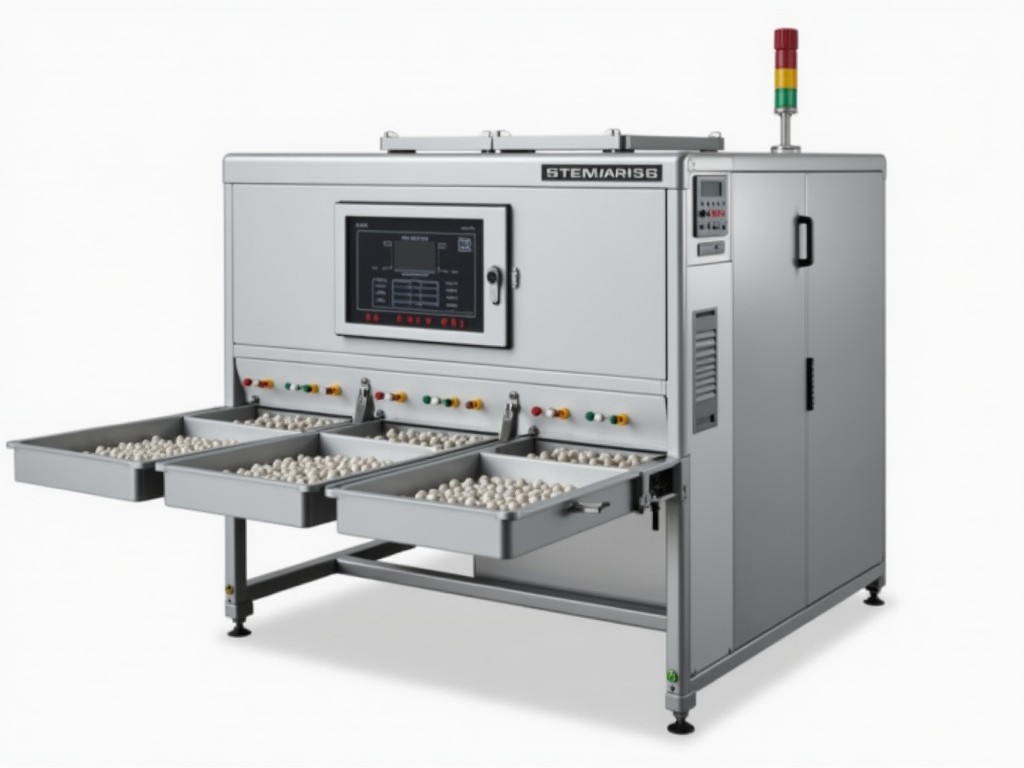
auto vacuum egg feeder Factory Price
Automated egg handling systems have transitioned from mechanical conveyors to sophisticated pneumatic vacuum solutions to minimize breakage. An auto vacuum egg feeder utilizes regulated pressure differentials to lift and transport eggs across distances, significantly reducing the mechanical stress associated with traditional roller belts. By employing vacuum-based suction technology, industrial poultry facilities can maintain high-throughput rates while ensuring the structural integrity of the eggshell.
The integration of these systems into existing production lines requires a precise understanding of airflow requirements and flow rates. Factory-grade units are designed with pressure-sensitive valves to ensure that the suction force does not exceed the tensile strength of the egg shell. This technical precision is critical for operations where waste reduction directly impacts the bottom line of processing margins.
Technical Specifications
| Parameter | Typical Values |
|---|---|
| Material Grade | Stainless Steel 304 / Food-grade Silicone |
| Processing Capacity | 2,000 - 8,000 eggs/hour |
| Vacuum Pressure Range | -40 to -70 kPa |
| Transport Pipe Diameter | Ø50mm - Ø150mm (Customizable) |
| Control System | PLC-integrated Frequency Drive |
Operational Mechanism
The core of the auto vacuum egg feeder relies on a dedicated vacuum generator that creates a constant negative pressure within the transport tubing. When an egg reaches the pickup head, soft silicone suction cups engage the surface via pneumatic activation. Unlike mechanical grippers, the vacuum force is distributed across the surface area of the egg, preventing localized stress points that lead to fractures.
During the transport phase, the system monitors the airflow resistance to detect potential jams. If an obstruction is detected or an egg shifts, the PLC controller adjusts the vacuum intensity to prevent the egg from colliding with the pipe walls. This feedback loop ensures that the movement remains smooth even during curved transitions in the piping layout.
Industrial Applications
- Commercial Hatcheries: Ideal for moving delicate eggs from collection points to grading stations where manual handling must be strictly eliminated.
- Egg Processing Plants: Facilitates the rapid transfer of raw eggs to washing and sorting lines while maintaining a hygienic contact surface.
- Automated Poultry Farms: Integrated into smart-farm systems to transport eggs from nesting nests with minimal labor intervention.
Pricing Factors
Determining the factory price of an auto vacuum egg feeder involves evaluating several technical variables specific to the facility layout. Standard units utilize 304 stainless steel, but environments requiring high-corrosion resistance may necessitate 316 stainless steel, which increases the material cost.
The level of automation also significantly impacts the investment. Systems with manual start/stop controls are more affordable than fully integrated PLC systems featuring real-time analytics and variable speed control. Furthermore, the total transport distance and the number of bends in the piping determine the required vacuum capacity and the complexity of the pneumatic manifold.
Frequently Asked Questions
Can the pipe length be customized for specific floor plans?
Yes, the piping lengths and configurations are engineered based on the specific architectural constraints of your facility to maintain airflow.
What materials are used for the suction cups?
We utilize food-grade, high-friction silicone that is resistant to wear and can withstand frequent chemical cleaning cycles without losing its elasticity.
What is the typical production lead time?
Standard configurations typically require 4 to 8 weeks for production, depending on the complexity of the automation components and material availability.
Need a technical consultation or a formal quote for your specific project? Contact our engineering team to discuss your requirements.
Request Technical Specifications


