What Is Egg Grader Machine Capacity
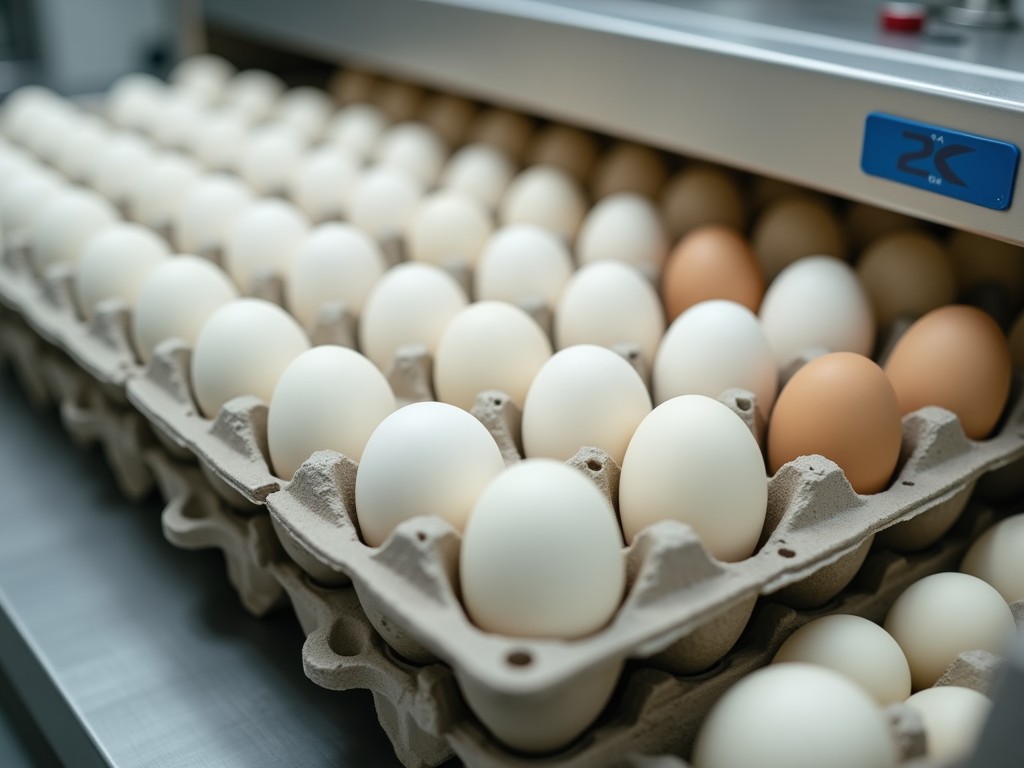
What is Egg Grader Machine Capacity? Technical Guide for Selection
In industrial egg processing, machine capacity defines the maximum throughput of units a system can sort and categorize within a specific timeframe, typically measured in eggs per hour (EPH). Determining the correct capacity is critical for balancing the entire production line; a bottleneck at the grading stage creates a ripple effect, stalling upstream washing units and leaving downstream packing lines under-utilized.
Capacity is not a static figure but a variable influenced by the mechanical design, the level of automation, and the physical characteristics of the product being processed. Engineering teams must distinguish between rated capacity—the theoretical maximum under ideal conditions—and operational capacity, which accounts for maintenance intervals and fluctuations in egg quality.
Understanding Capacity Metrics
The industry standard for measuring capacity is eggs per hour (EPH), though some specifications utilize eggs per minute (EPM). While EPH is used for logistical planning and labor allocation, EPM is often utilized by technicians to calibrate the synchronization of mechanical rollers or conveyor belt speeds.
- Throughput Rate: The volume of eggs passing through the grading sensors per cycle.
- Efficiency Factor: The percentage of units successfully processed without manual intervention, typically between 95% and 98%.
- Weight Variance: The range of egg weights the machine can handle simultaneously without de-stabilizing or slowing the flow rate.
Factors Influencing Output
Several technical variables dictate whether an egg grader achieves its rated capacity. The most significant factor is the egg size distribution; systems processing a high volume of small eggs may require different mechanical cycles than those handling large-format eggs, as the physical spacing required on the sorting mechanisms differs.
The method of grading also plays a role. Mechanical roller-based graders are limited by the physical speed of the rollers required to prevent cracking. In contrast, optical grading systems utilize high-speed cameras and air jets to sort, allowing for significantly higher throughput because the physical movement of the egg is minimized and more precise.
Capacity by Machine Configuration
| Machine Type | Typical Capacity (EPH) | Primary Application |
|---|---|---|
| Manual Roller Grader | 1,000 - 3,000 | Small-scale farms, specialty production |
| Semi-Automatic Electronic Grader | 5,000 - 15,000 | Medium-sized processing plants |
| High-Speed Optical Grader | 20,000 - 100,000+ | Large-scale industrial distributors |
Calculating Capacity for Specific Production Needs
To determine the required capacity, engineers must work backward from the daily production target and available operational hours. A common formula used is: [Daily Egg Volume / Operating Hours] / Efficiency Coefficient = Required Machine Capacity.
It is standard practice to select a machine with a capacity 20-30% higher than the calculated requirement. This buffer accounts for unexpected downtime, cleaning cycles, and the potential for future growth in production volume without requiring a complete system overhaul.
Engineering Considerations for Output Optimization
Integration of Variable Frequency Drives (VFDs) is essential for maintaining consistent capacity. VFDs allow operators to adjust the conveyor speeds to match the flow rate of the incoming supply, preventing egg clusters that could lead to mechanical damage or inaccurate grading results.
Synchronization with downstream equipment is equally vital. If the grader is faster than the packer, eggs will back up at the exit point, increasing the risk of egg shell fractures. High-capacity systems often utilize intermediate buffer zones and smart sensor-to-PLC communication to ensure fluid flow across the entire processing line.
Frequently Asked Questions
Can the capacity of an egg grader be increased?
While some mechanical speeds can be adjusted via motor controllers, there are physical limits to prevent egg breakage. Increasing capacity significantly usually requires adding additional grading lines or upgrading to an optical system.
How does egg size affect grading speed?
Uniform egg sizes allow for higher speeds. High variance in egg weight can force the machine to slow down to ensure each egg is accurately weighed and diverted correctly without collision.
What information is needed for a capacity quotation?
Procurement teams should provide the expected daily volume, the distribution of egg weights, the desired operating hours per shift, and whether integrated features like washing or drying are required.
>Need a technical capacity analysis for your specific production volume?
Request Technical Consultation


