The Ultimate Egg Washing Machine Manufacturer
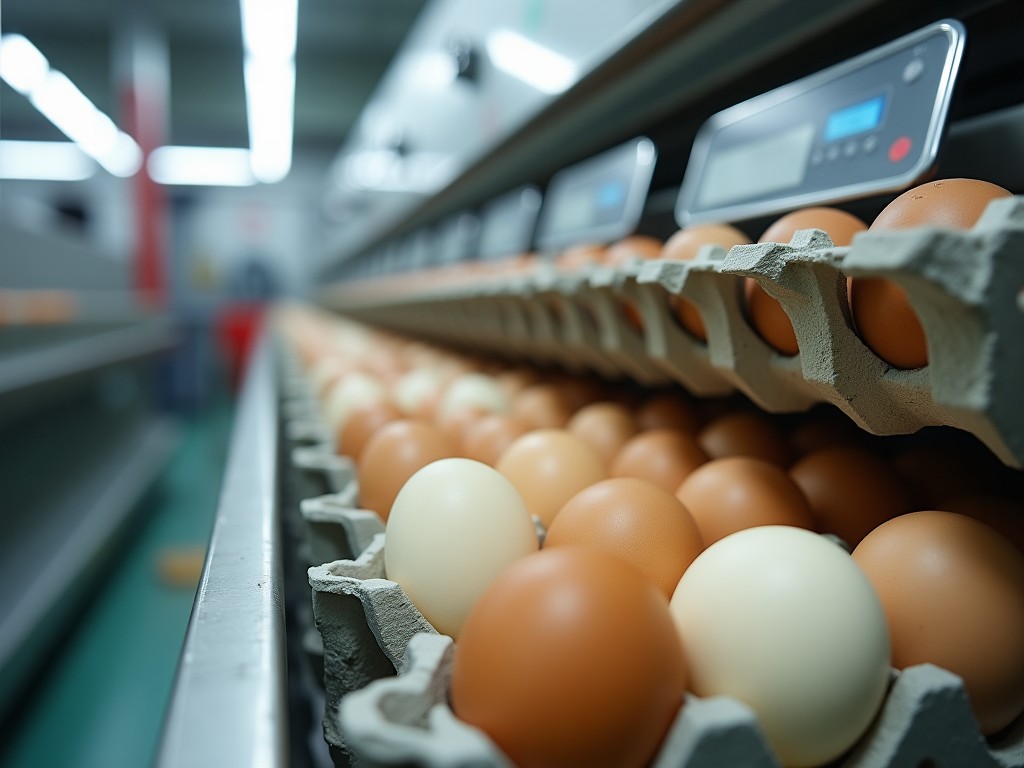
The Ultimate Egg Washing Machine Manufacturer
Industrial-scale egg processing requires a precise balance between rigorous microbial removal and the preservation of the egg's natural protective membrane. A specialized manufacturer must engineer systems that remove debris, dust, and organic matter without compromising the structural integrity of the shell. Modern egg washing technology utilizes multi-stage spray dynamics and controlled mechanical agitation to ensure that every unit meets stringent food safety standards while maintaining high throughput rates.
The transition from manual cleaning to automated industrial systems is driven by the need for consistency and sanitation. By regulating water temperature and pressure, these systems mitigate the risk of thermal shock, which can force bacteria through the porous shell—a common failure point in lower-engineered cleaning equipment.
Engineering Principles of High-Efficiency Egg Cleaning
The core of an effective egg washing machine lies in the fluid dynamics of the spray system. High-pressure nozzles are calibrated to create specific velocities that dislodge contaminants without applying enough force to cause micro-fractures. This mechanical action is often paired with a recirculating filtration system that continuously cleans the wash water, preventing the accumulation of debris across batches.
Thermal regulation is another critical engineering variable. If the wash water is significantly warmer than the egg's internal temperature, the shell pores expand, potentially allowing pathogens to enter the interior. Professional-grade systems integrate heat exchangers and sensors to maintain the wash water within a narrow temperature range, ensuring the process remains safe throughout the production cycle.
Key Technical Components and Material Selection
Material selection determines the longevity of the machinery in high-moisture environments. We utilize Grade 304 or 316-grade stainless steel for all food-contact surfaces to resist corrosion from cleaning agents and constant water exposure. The conveyor systems are typically constructed from food-grade polymers or reinforced stainless steel mesh to minimize surface abrasion on the eggs.
- Variable Frequency Drives (VFDs): Allows for precise control over conveyor speed to match varying input capacities.
- PLC Logic Controllers: Enables automated monitoring of water flow, temperature, and cycle times.
- Soft Bristleushes: Engineered with specific tension to provide deep cleaning without damaging the shell.
- Filtration Units: Multi-stage filters that remove particulates from the wash water loop.
Operational Specifications
| Parameter | Typical Values |
|---|---|
| Processing Capacity | 5,000 - 30,000 eggs/hour (Customizable) |
| Wash Water Temperature | 15°C - 35°C |
| Nozzle Pressure | 2.0 - 4.5 Bar |
| Material Grade | Stainless Steel 304/316 |
| Power Supply | 380V/460V 3-Phase |
Industrial Applications and Integration
Egg washing machines are integrated into various stages of the supply chain. In large-scale poultry facilities, they serve as the primary bridge between raw collection and the final grading stage. The modular design allows for seamless integration with existing production lines that include egg separators, candizers, and packaging units.
For export-oriented operations, these machines are essential for meeting international phytitary requirements. By providing a repeatable and documented cleaning process, manufacturers can reduce the risk of shipment rejection due to surface contamination, ensuring viability for long-distance logistics.
Quality Control and Inspection Standards
Manufacturing follows a rigorous testing protocol to ensure reliability under continuous load. Each unit undergoes a pressure test of the spray manifold to ensure no leaks that would compromise water efficiency. We also perform stress tests on the conveyor motors to verify they can handle continuous operation at rated speeds without thermal degradation.
Furthermore, the components are inspected for compliance with food safety regulations. This includes verifying that all lubricants used in non-contact areas are food-grade and that the machine design prevents the introduction of chemical contaminants into the egg washing environment.
Frequently Asked Technical Questions
Can the dimensions be customized for specific facility layouts?
Yes, the footprint and conveyor length can be adjusted to fit specific space constraints or material flow requirements within your processing plant.
What information is required before a formal quotation?
We require the target hourly capacity (eggs per hour), available power supply specifications, and any specific integration needs with existing grading machinery.
What is the typical production lead time?
Lead times generally vary from 6 to 12 weeks depending on the complexity of the customization and the specific material specifications requested.
Discuss the technical requirements of your egg processing line with our engineering team.
Request Technical Specifications and Inquiry


