Oem Stainless Steel Egg Washing And Grading Line
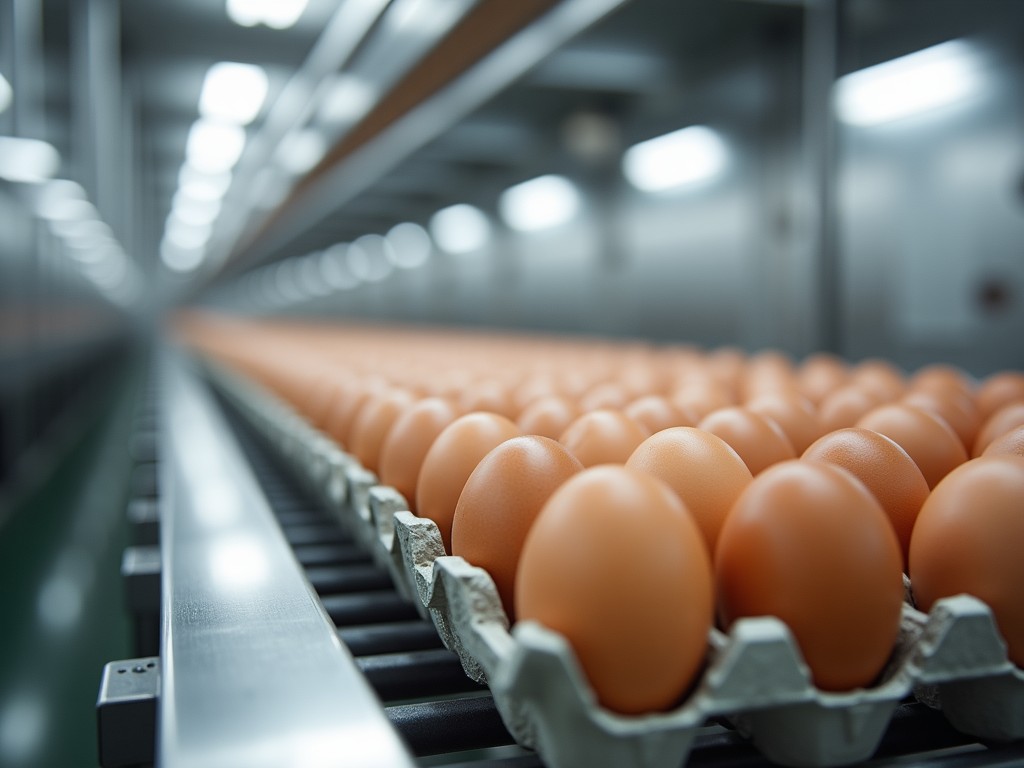
OEM Stainless Steel Egg Washing and Grading Line
The industrial processing of eggs requires a rigorous approach to hygiene and mechanical precision. Egg washing and grading lines are engineered to remove organic contaminants from the egg shell while maintaining the integrity of the internal membrane. By utilizing high-grade stainless steel construction, typically Grade 304 or 316 Stainless Steel, the system ensures resistance to the corrosive effects of frequent cleaning agents and the acidic nature of certain organic residues.
Engineering focus remains on minimizing friction to prevent shell fractures and ensuring a laminar flow that prevents bacterial accumulation. These OEM configurations are designed to integrate into existing production facilities, offering scalable throughput capacities that range from small-scale artisanal operations to high-volume industrial de-contamination and sorting plants.
Technical Specifications
| Parameter | Standard Specification | Customizable Range |
|---|---|---|
| Processing Capacity | 5,000 - 20,000 eggs/hour | Up to 60,000 eggs/hour |
| Material Material | SUS 304 Stainless Steel | SUS 316 for high-corrosion zones |
| Grading Method | Weight-based sensors | Optical/AI inspection integration |
| Drying System | Ambient air blast nozzles | Temperature-controlled thermal drying |
| Control System | PLC Touch Interface | SCADA-enabled remote monitoring |
Integrated Washing and Grading Process Flow
The operational sequence follows a linear-stage mechanical path designed to ensure food safety and sorting efficiency. The process begins with raw intake where eggs are transported via a gentle bowl conveyor to remove loose debris before entering the washing zone.
- De-contamination Washing: High-pressure spray nozzles utilize heated water and specialized egg detergents to lift dirt, manure, and organic matter without damaging the cuticle.
- Eggizing/Rinsing: A secondary rinse cycle removes residual detergent surfactants, ensuring the shell surface is clean and preventing chemical penetration through the porous shell.
- Air Drying: High-velocity air blowers remove moisture, which is critical to prevent microbial growth during the storage and packaging phases.
- Precision Grading: Multi-point load cells determine the mass of each egg, sorting them into categories (Small, Medium, Large, XL, Jumbo) with high accuracy.
Material Selection and Hygiene Engineering
Selection of stainless steel grade is dictated by the chemical environment of the plant. While SUS 304 is standard for most structural components and dry conveyors, components in direct contact with chlorinated water or harsh alkaline cleaners often benefit from SUS 316. This material contains molybdenum, which significantly enhances resistance to pitting and chloride-induced stress corrosion.
Design protocols prioritize rounded internal corners and smooth-welded joints to eliminate "dead zones" where bacteria could harbor. All food-contact surfaces are finished to a specific Ra (surface roughness) value to ensure that the equipment can withstand high-pressure wash-down (HOP) cycles typical in modern food processing environments.
OEM Customization and Facility Integration
OEM manufacturing allows for the line to be adapted to the specific spatial constraints of a facility. This includes designing L-shaped or U-shaped layouts to maximize floor space or integrating automated egg packaging modules at the end of the grading line.
- Custom conveyor heights to meet ergonomic operator requirements.
- Integration of optical crack detection systems to identify internal blood spots or shell fractures via-speed cameras.
- Custom-tailored PLC logic to interface with the facility's existing ERP or manufacturing execution system.
- Variable speed drive motors to accommodate varying upstream supply rates.
Frequently Asked Questions
What is the typical lead time for a custom OEM line?
Lead times vary based on the complexity of the grading logic and capacity, generally ranging from 12 to 20 weeks from final technical drawing approval.
Can the line handle different egg species simultaneously?
Yes, the grading system can be configured with interchangeable rollers or adjusted software parameters to handle chicken, duck, or quail eggs as required.
How is the material inspected for quality?
All stainless steel components are supplied with material test reports (MTRs), and welds are inspected via dye penetrant or ultrasonic testing to ensure structural integrity and food-grade compliance.
Request a Technical Project Consultation
To discuss your specific throughput requirements and facility layout for an egg washing and grading solution, contact our engineering team.
Request Technical Specifications & Quote


