Oem Hen Egg Grading Machine Suppliers
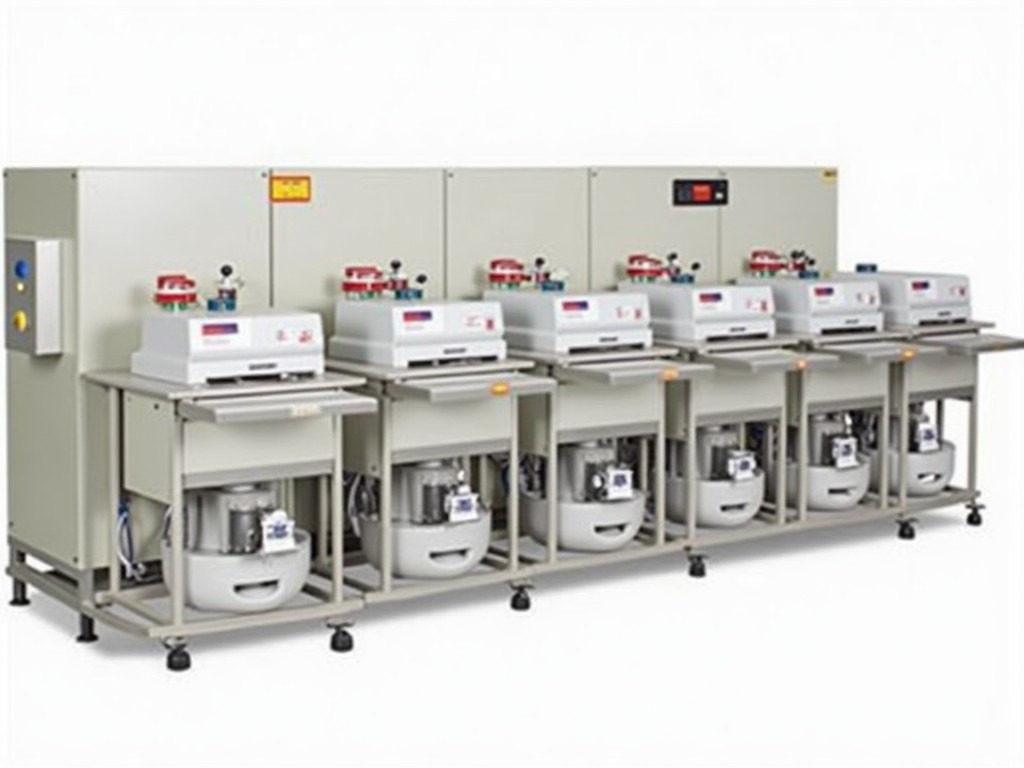
OEM Hen Egg Grading Machine Suppliers – Technical Overview
A hen egg grading machine sorts eggs by weight, size, and shell quality to enable consistent packing for retail and processing lines. The equipment integrates load‑cell sensors, optical inspection, and programmable logic controllers to achieve repeatable classification at line speeds up to 30,000 eggs per hour.
Core Grading Mechanism
Eggs are fed onto a conveyor with individually spaced lanes. Each lane carries the egg over a precision load cell that measures mass to within ±0.2 g. Simultaneously, a low‑intensity LED array captures top‑view images for crack detection and shape analysis. The PLC compares measured weight and image data against user‑defined thresholds to assign the egg to one of up to six grade categories.
Typical Technical Specifications
| Parameter | Typical Value |
|---|---|
| Maximum throughput | 30,000 eggs/hour (adjustable) |
| Egg size range | 40 g – 70 g (weight) |
| Number of grading lanes | 4 – 8 (configurable) |
| Weight resolution | ±0.2 g |
| Power supply | 380 V 3‑phase, 50/60 Hz, 2.5 kW |
| Overall dimensions (L×W×H) | 2200 mm × 900 mm × 1500 mm |
| Machine weight | ≈850 kg |
Material Construction and Hygiene
All product‑contact surfaces are made from stainless steel to resist corrosion and facilitate cleaning. The frame uses AISI 304 for structural components, while trays, lanes, and sensor housings employ AISI 316L where higher chloride resistance is required. Seamless welds and polished finishes (Ra ≤ 0.8 µm) minimize bacterial harborage and support CIP/SIP procedures.
Material Options
- AISI 304 stainless steel – standard frame and covers
- AISI 316L stainless steel – optional for high‑moisture or saline environments
- Food‑grade UHMW‑PE lane inserts – low friction, replaceable
- Silicone‑sealed sensor windows – IP66 rating
Customization Capabilities
Adjustments to grading logic are made via the HMI, allowing operators to modify weight bands, add new quality criteria, or change lane counts without mechanical changes. Conveyor speed can be varied from 0.5 m/s to 2.0 m/s using a variable‑frequency drive. Optional modules include UV‑cured ink stamping for grade marking and automated reject diverts.
Customizable Parameters
| Parameter | Adjustable Range |
|---|---|
| Number of lanes | 2 – 12 (modular) |
| Conveyor speed | 0.5 – 2.0 m/s |
| Weight classification bands | User‑defined (e.g., 40‑45 g, 45‑50 g, …) |
| Reject divert type | Air jet, mechanical flipper, or drop‑down chute |
| Data interface | Ethernet/IP, Modbus TCP, or discrete I/O |
Integration and Installation
Installation requires four adjustable leveling feet (±15 mm) for floor‑standing placement. Electrical connection uses a 5‑core shielded cable for power and a separate Ethernet line for data. Typical installation time, including mechanical alignment and sensor calibration, is 8–12 hours for a standard 4‑lane unit.
Quality Assurance and Factory Testing
Prior to shipment, each unit undergoes a factory acceptance test (FAT) that verifies weight repeatability across 10,000 egg cycles, checks sensor response time (< 5 ms), and confirms hygiene compliance via swab testing. Test reports, including measurement uncertainty budgets, are provided with the documentation package.
Frequently Asked Questions
Can the lane width be adjusted for different egg sizes?
Yes. Lane width is set by interchangeable guide rails; standard sizes accommodate 40‑70 g eggs, with optional narrow or wide rails available for specialty breeds.
What information is required before quotation?
Required inputs include desired throughput (eggs/hour), egg weight range, number of grading categories, preferred reject method, and any site‑specific constraints such as ceiling height or power availability.
Which materials are available for food‑contact parts?
Food‑contact components are offered in AISI 304 or AISI 316L stainless steel, with optional UHMW‑PE lane liners and silicone‑sealed sensor windows.
How is quality inspected during production?
Each machine undergoes dimensional inspection, weld penetration testing, and functional FAT. Surface roughness and passivation layers are measured to meet Ra ≤ 0.8 µm and ASTM A967 standards.
What packaging methods are available for export shipment?
Machines are wrapped in vapor‑corrosion inhibitor film, placed on a steel pallet, and secured with polyester strapping. Optional wooden crates or ISO container loading frames can be supplied.
What is the typical production lead time?
Lead time ranges from 6 to 10 weeks after receipt of technical confirmation and deposit, depending on configuration complexity.



