Odm Automatic Egg Grading Washing Line Price
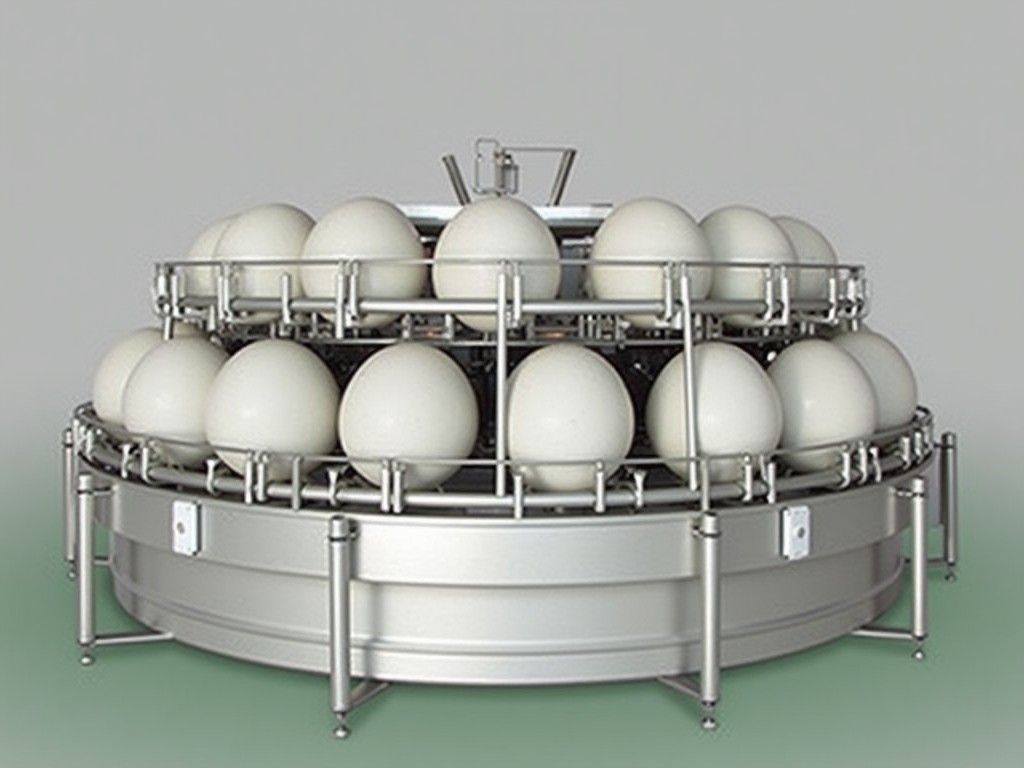
ODM Automatic Egg Grading and Washing Line
This system integrates grading, washing, and drying functions into a continuous flow line designed for medium‑ to large‑scale egg processing facilities. The modular construction allows each station to be configured according to capacity, shell‑strength requirements, and sanitation standards.
Technical Overview
The line consists of four primary modules: pre‑wash spray tank, rotary brush washer, grading conveyor with weight and size sensors, and hot‑air drying tunnel. Each module is driven by independent frequency‑controlled motors, enabling speed synchronization without mechanical gearboxes.
Stainless steel 304 is used for all contact surfaces, while the frame employs powder‑coated carbon steel for structural rigidity. The control cabinet houses a PLC with Ethernet/IP connectivity for remote monitoring and recipe management.
Key Performance Parameters
| Parameter | Typical Value | Adjustable Range |
|---|---|---|
| Throughput (eggs/hour) | 30,000 | 20,000 – 50,000 |
| Washing tank volume | 150 L | 100 – 250 L |
| Grading accuracy (±g) | 0.5 g | 0.2 – 1.0 g |
| Drying air temperature | 55 °C | 45 – 65 °C |
| Power consumption (kW) | 12 | 8 – 18 |
Material and Construction Details
Contact parts are fabricated from AISI 304 stainless steel with a surface finish of Ra ≤ 0.8 µm to facilitate cleaning and resist corrosion from alkaline detergents. The frame utilizes S235JR carbon steel with a two‑layer epoxy‑polyester powder coating, providing a minimum 150 µm film thickness and UV stability.
Sealing components use EPDM gaskets rated for temperatures up to 120 °C and exposure to chlorine‑based sanitizers. Bearings are sealed, stainless‑steel inserts with food‑grade grease, selected for wash‑down environments.
Typical Applications
The line is suited for integrated egg‑processing plants where shell integrity and microbial load must be controlled before packaging. By combining washing and grading, operators reduce handling steps, minimize cross‑contamination risk, and achieve consistent product weight distribution for retail cartons.
Facilities that produce liquid egg products, powdered egg, or pre‑peeled hard‑boiled eggs benefit from the upstream reduction of dirt and microbial load, which lowers downstream filtration and pasteurization burdens.
Customization Options
- Adjustable lane width from 300 mm to 600 mm to accommodate different egg sizes.
- Optional UV‑C disinfection module post‑drying for additional microbial safety.
- Choice of grading criteria: weight only, weight + shape vision, or weight + shell‑strength impulse testing.
- Variable speed drives with torque limiting for gentle handling of free‑range or organic eggs.
- Extended drying tunnel length up to 6 m for high‑humidity climates.
Quality Assurance and Testing
Each module undergoes factory acceptance testing (FAT) that includes water‑spray coverage verification, sensor calibration against traceable weight standards, and drying‑air temperature uniformity checks (±2 °C). The PLC program is validated with simulated I/O to confirm interlock logic and fault detection.
Surface roughness of stainless‑steel components is measured with a profilometer; acceptable Ra values are documented in the test report. Weld inspections follow ASME Section IX standards for food‑contact piping.
Price Factors
The quotation for an ODM automatic egg grading and washing line depends primarily on throughput capacity, number of grading lanes, and selected optional modules such as UV‑C or vision‑based grading. Material upgrades (e.g., 316L stainless for high‑chloride environments) and control system enhancements (SCADA integration, redundant PLC) also affect cost.
Because the equipment is built to order, lead time typically ranges from 10 to 14 weeks after approval of the final layout drawing and confirmation of electrical specifications (voltage, frequency).
Frequently Asked Questions
Can the line dimensions be customized to fit an existing building layout? Yes, the modular frame allows adjustment of lane spacing, conveyor length, and module positioning. Provide the available clearance dimensions and we will generate a layout proposal.
What information is required before a quotation can be issued? Required data include target eggs per hour, egg size distribution, preferred grading criteria, water quality (hardness, chlorine level), and electrical supply details.
Which materials are available for the contact surfaces? Standard is AISI 304 stainless steel; optional upgrades to 316L or food‑grade polymer coatings are available upon request.
How is the washing effectiveness validated? We perform ATP bioluminescence testing on a sample of eggs after the wash cycle, comparing results against a baseline of untreated eggs.
What packaging options are provided for shipment? The line is disassembled into skid‑mounted sections, wrapped in stretch film, and secured in ISO‑standard containers with corner bracing and moisture‑desiccant packs.
For a detailed quotation tailored to your facility’s specifications, please contact our engineering team.
Request Quote


