Low Capacity Egg Grading Machine Supplier
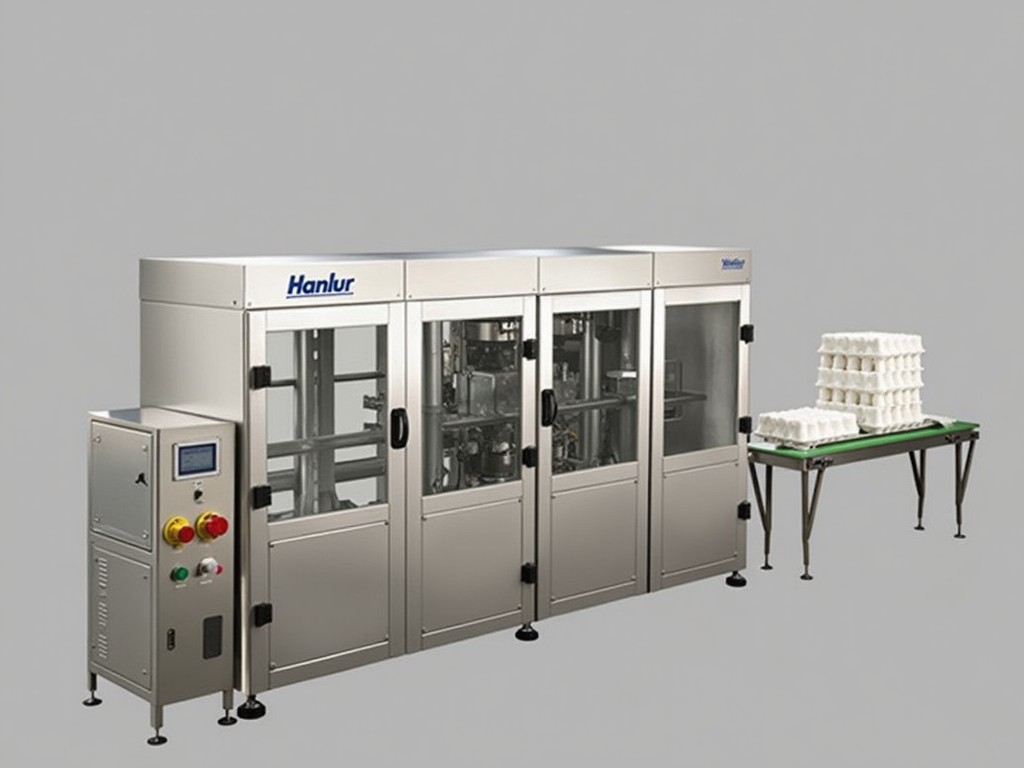
Low Capacity Egg Grading Machine
Designed for small‑scale poultry farms and processing units, this machine sorts eggs by weight and size at a throughput suitable for operations handling up to several thousand eggs per day.
Technical Specifications
| Parameter | Typical Value | Notes |
|---|---|---|
| Maximum capacity | Up to 3,000 eggs/hour | Depends on egg size distribution and operator feeding rate |
| Weight grading range | 30 g – 80 g | Adjustable via interchangeable weight sensors |
| Size grading range | 40 mm – 55 mm diameter | Measured by optical diameter sensors |
| Power supply | 220 V AC, 50/60 Hz, 0.75 kW | Single‑phase, plug‑and‑play |
| Footprint | 1,200 mm × 800 mm × 1,500 mm (L × W × H) | Includes conveyor and collection trays |
Operating Principle
Eggs are singulated on a vibrating feeder and carried over a series of load cells that measure each egg’s weight. Simultaneously, a laser‑based diameter sensor records the egg’s cross‑section. The controller compares the measured values against programmable thresholds and diverts the egg into the appropriate lane using pneumatic gates. The process repeats continuously, allowing real‑time sorting without manual intervention.
Typical Applications
Small layer farms benefit from the machine’s ability to separate table eggs from those destined for breaking or further processing, reducing labor costs and improving pack‑line consistency. Hatcheries use the weight grading function to select eggs within a narrow mass band, which improves incubation uniformity and chick quality. Additionally, food‑service suppliers employ the size grading option to meet specific customer specifications for boiled or peeled egg products.
Customization Options
- Adjustable weight sensor calibration for specialty breeds (e.g., quail, duck)
- Optional UV‑curing station for surface sanitization post‑grading
- Extended conveyor length to integrate with existing packing lines
- Stainless‑steel AISI 304 frame for corrosive environments
- Multilingual HMI with programmable recipe storage
Quality Control & Testing
Each unit undergoes a factory acceptance test where a known set of calibrated eggs is run through the machine. Weight measurement repeatability is verified to be within ±0.5 g and size measurement repeatability within ±0.2 mm over 500 cycles. Electrical safety is confirmed per IEC 60204‑1, and the pneumatic system is leak‑tested at 8 bar. Documentation of test results is provided with the shipment.
Frequently Asked Questions
- Can the capacity be increased? Yes, the feeder speed and number of parallel lanes can be customized; consult engineering for higher throughput options.
- What information is required before quotation? Required details include daily egg volume, average egg weight range, desired grade categories, and any site‑specific constraints such as power availability or space limits.
- What materials are available for the frame? Standard is powder‑coated carbon steel; optional upgrades include AISI 304 stainless steel or aluminum alloy for weight reduction.
- How is quality inspected? Functional tests, sensor calibration checks, and safety inspections are performed per internal QA protocol; test certificates are supplied on request.
- What packaging methods are available? Machines are shipped in wooden crates with foam protection; palletized options are available for containerized transport.
- What is the typical production lead time? Lead time ranges from 4 to 6 weeks after receipt of technical confirmation and deposit, depending on configuration complexity.
Contact for Inquiry
To discuss your specific grading requirements or request a detailed quotation, please reach out to our technical sales team.
Send Inquiry


