Factory Supply Layer Farm Egg Washer Grader Machine
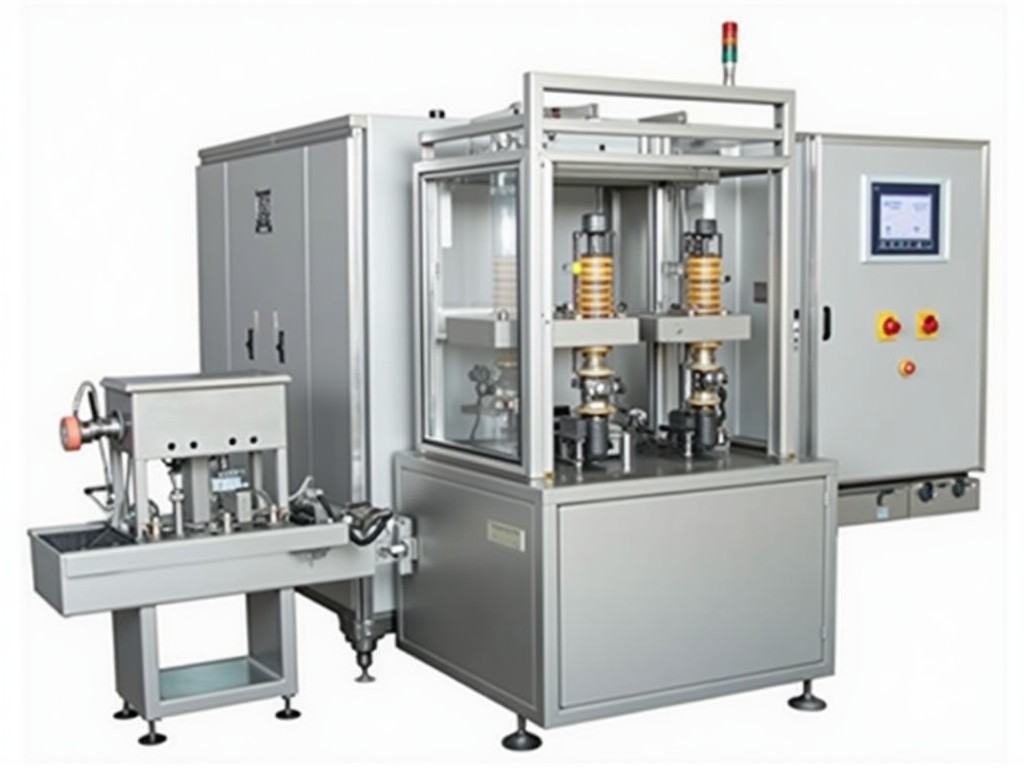
Factory Supply Layer Farm Egg Washer Grader Machine
This equipment integrates washing, rinsing, drying, and grading functions for eggs produced in layer farms. It processes eggs continuously on a conveyor system, removing contaminants, applying sanitizing agents, and sorting by weight and size before packaging.
Working Principle
Eggs enter the machine via an inlet conveyor and first pass through a pre‑wash spray chamber where warm water and approved detergent loosen dirt and fecal matter. They then move to a high‑pressure washing tunnel equipped with rotating brushes that clean the shell surface without causing micro‑cracks.
After washing, eggs are rinsed with potable water to remove detergent residues. A controlled‑temperature drying zone uses filtered air blowers to reduce surface moisture to below 0.5 % w/w, minimizing bacterial growth. Finally, eggs travel over a precision weighing system that diverts them into graded lanes based on preset weight thresholds.
Key Technical Specifications
| Parameter | Typical Value | Notes |
|---|---|---|
| Capacity | Up to 30,000 eggs/hour | Depends on egg size and conveyor speed |
| Washing Chamber Length | 1.2 m | Stainless steel 304 construction |
| Drying Air Temperature | 40 ± 5 °C | Filtered, oil‑free air |
| Grading Accuracy | ±2 g | Load‑cell based weighing |
| Power Consumption | 4.5 kW | Three‑phase 380 V, 50 Hz |
| Overall Dimensions (L×W×H) | 3.6 m × 1.1 m × 1.8 m | Frame includes adjustable leveling feet |
Applications in Layer Farm Operations
The machine is installed directly after the egg collection belt in a layer house or central egg handling facility. By integrating washing and grading, it reduces the need for separate manual handling steps, lowering labor costs and minimizing the risk of shell damage that can occur during transfers between stations.
Typical farms with flocks of 20,000–100,000 hens benefit from the continuous flow design, which maintains egg quality from lay to pack. The system can accommodate various egg sizes (small to extra‑large) and is compatible with both inline and offline packaging lines.
Customization Options
- Adjustable conveyor speed (0.1–0.8 m/s) to match farm output rates.
- Optional UV‑C disinfection module post‑rinse for additional microbial control.
- Choice of brush materials: nylon for standard cleaning, silicone‑coated for fragile shells.
- Modular grading lanes configurable for 2‑4 weight classes.
- Stainless steel 316 upgrade for high‑corrosivity environments (e.g., high‑humidity tropical farms).
Materials and Quality Control
Primary structural components are fabricated from AISI 304 stainless steel, providing resistance to corrosion from washing chemicals and facilitating easy cleaning. Food‑grade PVC or PU belts are used in the egg transport paths to prevent shell abrasion. All wetted surfaces undergo electropolishing to achieve a surface roughness Ra < 0.8 µm, which inhibits biofilm formation.
Each unit is factory‑tested for wash efficacy using a standardized soil load (dried egg white and faecal simulant) and must achieve a minimum 99 % removal rate before shipment. Grading accuracy is verified with calibrated test weights across the full operational range. Documentation includes material certificates, wash‑test reports, and a CE conformity declaration.
Frequently Asked Questions
Yes, the frame can be shortened or re‑oriented (e.g., 90 ° turn) while maintaining the required wash and drying lengths. Adjustments are evaluated case‑by‑case to ensure process performance is not compromised.
Required data include daily egg production rate, average egg weight range, available electrical supply (voltage, frequency), and any special cleaning agents used on‑site. Providing a layout sketch of the intended installation area helps optimize conveyor routing.
Standard brushes use food‑grade nylon filaments with a 0.3 mm diameter. For applications requiring softer contact, silicone‑impregnated nylon brushes are offered, reducing peak shell pressure by approximately 15 % compared to nylon alone.
The machine is disassembled into transport‑friendly modules, each wrapped in corrosion‑inhibiting film and secured within wooden crates with internal bracing. Shock‑absorbing pallets and humidity‑desiccant packs are included to prevent moisture ingress during transit.
Contact Us
For further details, customization requests, or a formal quotation, please reach out to our technical sales team.
Request Quotation


