Factory Supply High Capacity Egg Grader Machine
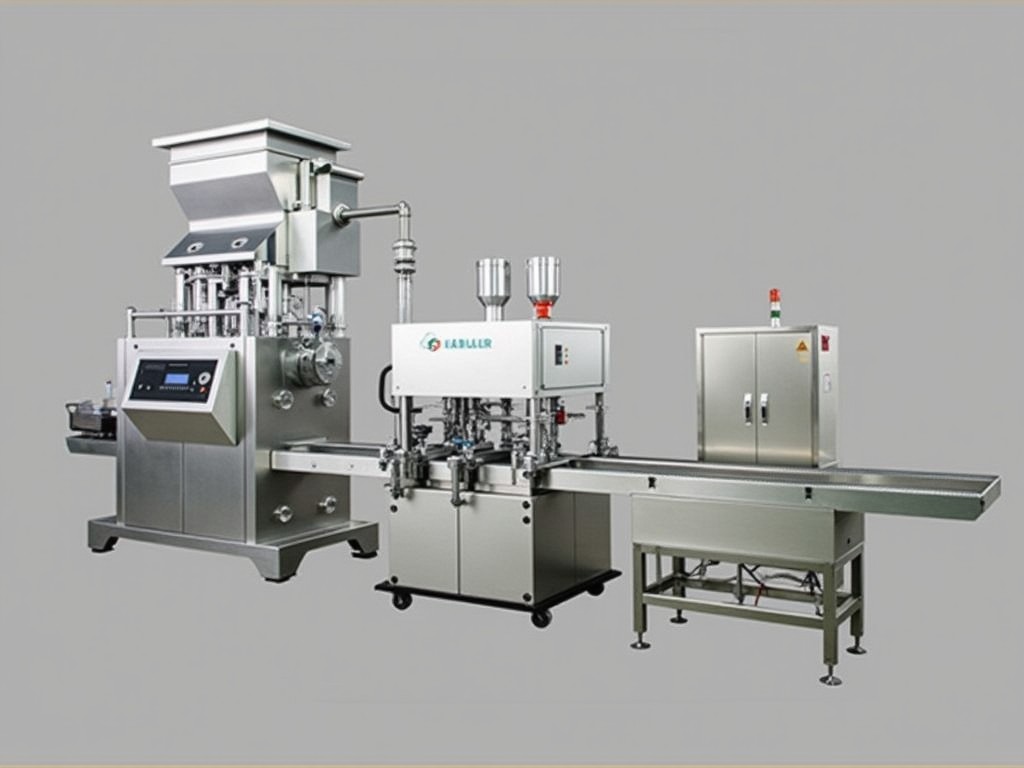
Factory Supply High Capacity Egg Grader Machine
The machine sorts eggs into discrete weight classes using individual load‑cell sensors and pneumatic diverters. It is designed for continuous operation in environments where hourly throughput exceeds 30 000 eggs.
Working Principle
Eggs are singulated by a vibratory feeder and placed onto a stainless‑steel conveyor. Each egg passes over a calibrated load cell that measures its mass with a resolution of ±0.5 g. The controller compares the measured weight to preset thresholds and activates the corresponding pneumatic gate to divert the egg into the appropriate grading lane.
Lanes are spaced to accommodate downstream packing equipment, and diverters operate at cycle times under 120 ms to maintain line speed. Sensors monitor lane occupancy to prevent blockages and trigger automatic ejection of mis‑sorted eggs.
Key Technical Specifications
The following table lists typical values; actual figures can be adjusted according to project requirements.
| Parameter | Typical Value |
|---|---|
| Maximum throughput | 35 000 eggs/hour (adjustable) |
| Weight resolution | ±0.5 g |
| Number of grading lanes | 3 – 8 (configurable) |
| Power supply | 380 V 3 ph, 50/60 Hz, 5 kW |
| Air pressure required | 0.6 MPa, clean dry air |
| Overall dimensions (L×W×H) | 2 800 mm × 1 200 mm × 1 500 mm |
| Machine weight | 1 200 kg |
Construction Materials
The frame is built from AISI 304 stainless steel with a brushed finish to resist corrosion in wash‑down environments. All product‑contact surfaces—conveyor belts, load‑cell housings, and diverter nozzles—are made from FDA‑approved 316L stainless steel or food‑grade polyethylene, ensuring compliance with EC 1935/2004.
Bearings and drive components are sealed, lifetime‑lubricated units selected for wash‑down duty. Electrical enclosures are rated IP65, protecting controllers and wiring from moisture and dust.
Typical Applications
- Large‑scale poultry farms that require inline sorting before packaging or further processing.
- Egg breaking plants where uniform weight improves yield in liquid egg production.
- Food‑service distributors needing consistent size for retail cartons and trays.
- Export operations where destination‑specific weight classes must be met precisely.
Customization Options
- Number of grading lanes adjustable from three to eight.
- Weight thresholds programmable via touchscreen HMI.
- Integration modules for conveyor synchronization with packing or boxing lines.
- Optional pre‑wash and air‑dry stations for dirty eggs.
- Extended reject chute configurations for downstream waste handling.
Quality Assurance
Each unit undergoes a factory acceptance test that includes load‑cell calibration across the full weight range, functional verification of all diverters at 110 % of rated throughput, and a leak test of pneumatic circuits. Material traceability is maintained for all stainless‑steel components, and a full documentation package is supplied with every shipment.
The manufacturing process follows ISO 9001:2015 procedures, with statistical process control applied to critical dimensions and weld quality. Final inspection includes a visual check for surface finish and a functional test using a calibrated egg surrogate.
Installation and Maintenance
The machine ships in three sub‑assemblies: frame‑conveyor module, control cabinet, and pneumatic manifold. Bolt‑together flanges and alignment pins enable installation within one shift by a two‑person team. Leveling feet with ±5 mm adjustment accommodate uneven floors.
Preventive maintenance consists of weekly inspection of load‑cell mounting bolts, monthly verification of air pressure regulators, and quarterly replacement of conveyor belt wear strips. Spare parts kits are available for load cells, diverter solenoids, and belt drives, with typical lead times of two weeks for stock items.
Frequently Asked Questions
- Can the number of grading lanes be changed after installation?
- Yes. The frame includes pre‑drilled mounting lanes; additional diverter modules and load‑cell kits can be fitted on site to increase lane count up to the maximum of eight.
- What is the maximum egg size the machine can handle?
- The load cells are calibrated for eggs up to 80 g; larger eggs can be accommodated by recalibrating the upper weight limit and adjusting lane spacing.
- How is sanitation maintained during operation?
- All contact surfaces are designed for clean‑in‑place (CIP) compatibility. The conveyor belt can be removed for automated washing, and the frame features sloped surfaces to prevent liquid pooling.
- What information is required before quotation?
- Required data include desired throughput (eggs/hour), target weight classes, available power and air supply, facility layout dimensions, and any integration needs with existing equipment.
- What is the typical production lead time?
- Standard configurations ship within 6–8 weeks after receipt of purchase order; customized builds depend on the scope of modifications and are confirmed at order entry.



