Factory Supply Egg Washing And Grading Machine
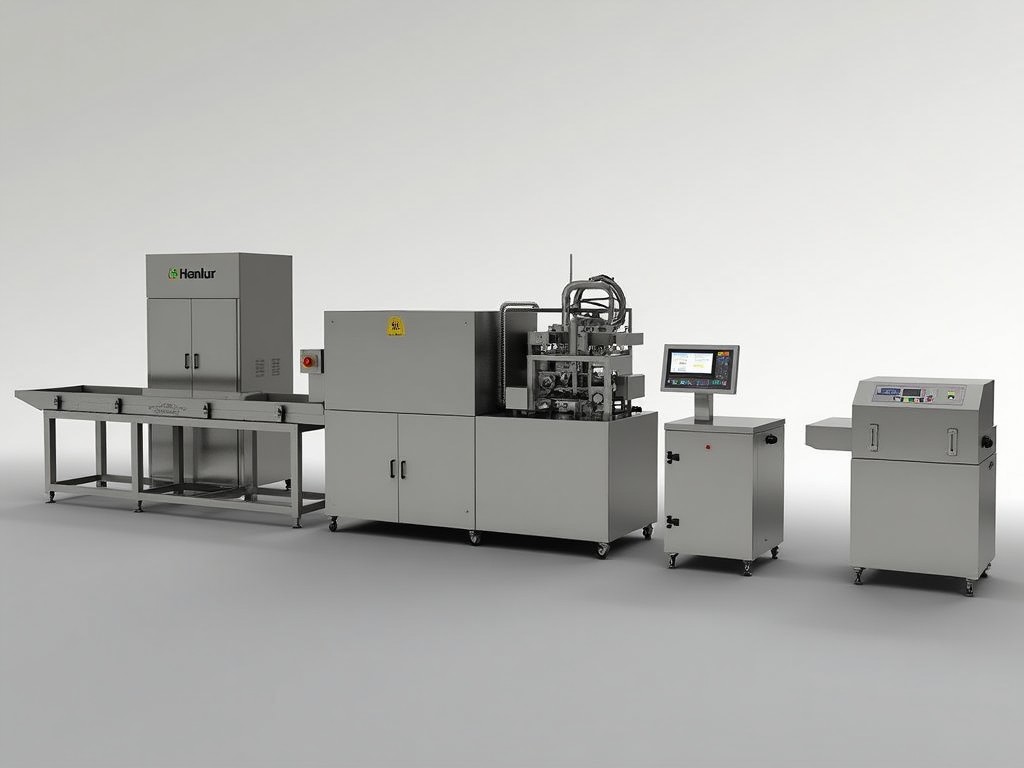
Factory Supply egg washing and grading machine
The transition of eggs from farm-level output to a market-ready product requires a rigorous mechanical process that balances hygiene with precision sorting. A factory-grade egg washing and grading machine is engineered to remove surface contaminants while simultaneously categorizing eggs based on weight with high accuracy. By utilizing automated spray systems and electronic sensors, these machines ensure that the integrity of the egg shell is maintained while meeting stringent food safety standards.
Industrial-scale processing demands high throughput without sacrificing precision. The integration of multi-stage cleaning, drying, and weight-based classification into a single conveyor line reduces labor requirements and ensures a consistent removal of organic matter, dust, and debris that could compromise shelf life or transport pathogens.
Technical Specifications
| Parameter | Typical Values |
|---|---|
| Processing Capacity | 2,000 - 25,000 eggs/hour |
| Construction Material | SUS 304 Stainless Steel |
| Grading Method | Electronic Load Cell Weighting |
| Washing Technology | Multi-stage high-pressure spray wash |
| Power Consumption | 2.5kW - 7.5kW (Variable) |
| Egg Size Range | 35g - 75g (Customizable) |
Operational Process Logic
1. Cleaning and Decontamination
The cleaning phase begins with a series of rotating nozzles that direct water onto the moving conveyor. Unlike simple immersion, the spray-wash method uses calibrated pressure to lift surface contaminants without forcing bacteria through the porous shell membrane. The water temperature is often maintained to be slightly warmer than the egg temperature to prevent thermal shock, which can cause micro-fractures.
2. Drying and Preparation
After washing, eggs pass through a drying zone utilizing high-velocity air fans or centrifugal rollers. Removing moisture immediately is critical because residual water on the shell can lead to microbial growth during storage and transport. This stage ensures the eggs are bone dry before they reach the sensitive grading sensors.
3. Precision Grading
The grading unit utilizes electronic load cells integrated into a roller conveyor system. As each egg passes over the sensor, its weight is measured in milliseconds. The PLC (Programmable Logic Controller) then directs the egg into the corresponding weight class channel—such as Small, Medium, Large, or Extra Large. This mechanical logic eliminates the human error associated with manual sorting.
Industrial Applications
These systems are deployed in environments where volume and standardized quality control make manual processing impossible.
- Large-Scale Poultry Operations: Processing thousands of eggs daily from multiple collection points for national distribution.
- Egg Cooperatives: Consolidating produce from various local farms into a uniform, export-ready product.
- Export Facilities: Meeting specific international weight and hygiene regulations required for cross-border trade.
Customization and Engineering Logic
Engineering an egg processing line requires accounting for specific throughput constraints and local regulatory requirements. We offer customization in conveyor belt speeds to match the intake capacity of specific collection facilities. Furthermore, the material selection can be upgraded from SUS 304 to SUS 316 for facilities using highly corrosive cleaning agents.
Integration with existing factory management systems is a common requirement, allowing for real-time data tracking on yield, waste rates, and machine efficiency. This data-driven approach helps plant managers optimize production schedules and reduce overhead.
Frequently Asked Questions
Can the machine handle different egg sizes without significant hardware changes?
Yes, the roller conveyors and grading channels are adjustable to accommodate a range of sizes from small to extra large eggs with minimal configuration time.
What is the maintenance interval for the spray nozzles?
Nozzles should be inspected monthly for mineral buildup or wear. Regular descaling of the water system ensures consistent pressure and optimal cleaning performance.
What is the typical production lead time for a custom configured line?
Lead times typically range from 8 to 12 weeks depending on the capacity requirements and the specific material specifications requested.
Ready to optimize your egg processing workflow?
Request Technical Specifications and Quotation


