Factory Supply Automatic Egg Grading Machine Suppliers
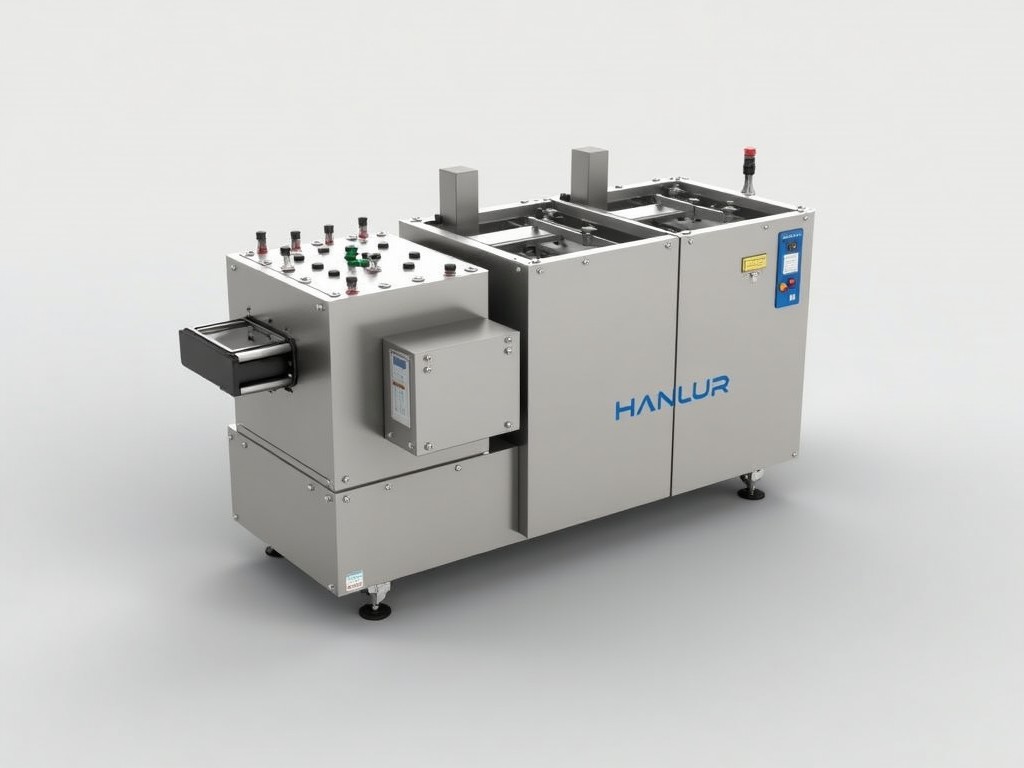
Factory Supply Automatic Egg Grading Machine Suppliers
Automatic egg grading machines classify eggs by weight, size, and shell quality before they enter downstream processing or packaging lines. By measuring each egg individually, the equipment reduces manual labor, improves sorting consistency, and helps meet market specifications for different egg classes. Typical installations handle volumes ranging from a few thousand to over thirty thousand eggs per hour.
Technical Specifications
| Parameter | Typical Value | Notes / Customization |
|---|---|---|
| Throughput (eggs/hour) | 15,000 – 30,000 | Depends on model and conveyor speed |
| Egg size range (mm) | 40 – 65 (length) | Adjustable sensor zones |
| Number of grading categories | 3 – 5 | Configurable via software |
| Power consumption (kW) | 2.0 – 3.5 | Variable with load |
| Machine dimensions (L×W×H, mm) | 2200 × 900 × 1500 | Can be extended for longer lines |
| Weight (kg) | 420 | Base frame only |
| Power supply (V/Hz) | 380 V / 50 Hz | Other voltages available on request |
| Control system | PLC with touchscreen HMI | Optional Ethernet/IP or Modbus TCP |
Grading Mechanism
Eggs are singulated on a low‑vibration conveyor and pass through a sensor station where each item is weighed and optically scanned. Load cells provide weight resolution of ±0.5 g, while a line‑scan camera measures length and width to within 0.3 mm. Based on the measured parameters, the controller activates pneumatic diverters that route each egg into the appropriate collection chute.
The diverter response time is under 80 ms, ensuring minimal egg‑to‑egg interference even at maximum line speed. All moving parts in the product zone are made from food‑grade polymers to eliminate contamination risk.
Construction Materials
The primary structure uses AISI 304 stainless steel tubing with a brushed finish, providing corrosion resistance in wet cleaning environments. Contact surfaces such as belts, guides, and diverter housings are constructed from FDA‑compliant polypropylene or polyethylene, which withstand repeated wash‑down cycles at 80 °C.
- Frame: AISI 304 stainless steel, 2 mm wall thickness
- Conveyor belt: modular polypropylene, open‑hinge design
- Sensor housing: PEEK‑filled polycarbonate for thermal stability
- Fasteners: stainless steel A2, captive nuts where possible
Applications
Poultry farms integrate grading machines at the point of collection to separate table‑egg quality from cracked or misshapen specimens before they reach the packing line. In large‑scale processing plants, the equipment provides the data needed to fulfill retail specifications for size‑graded cartons, reducing giveaway and improving yield. The ability to log weight and dimension data also supports traceability programs required by modern food safety standards.
Customization Options
- Adjustable conveyor length (1 m – 4 m modules)
- Variable number of grading chutes (2 – 6)
- Integration with barcode printers or label applicators
- Data logging software with CSV export and SPC charts
- Wash‑down rated IP66 motor and gearbox options
- Stainless steel 316 upgrade for high‑chloride environments
Quality Control & Testing
Before shipment, each machine undergoes a functional test using certified weight standards (Class E2) to verify weighing accuracy across the full range. Optical sensors are checked with a calibrated gauge block set to confirm dimensional repeatability. All pneumatic actuators are cycled 5,000 times to ensure leak‑free operation, and the finished unit receives a hygiene inspection confirming no exposed metal in the product zone.
Why Choose Factory Supply Suppliers
Manufacturing is performed in a dedicated ISO 9001 facility with in‑house CNC machining, stainless steel welding, and assembly lines. Standard spare parts such as belts, sensors, and pneumatic valves are kept in stock for next‑day delivery. Technical support includes remote diagnostics via the machine’s Ethernet port and on‑site service visits within 48 hours for critical faults. Lead times for a base model are typically 6–8 weeks, with options for accelerated scheduling.
FAQ
Can the machine be integrated with existing packing lines?
Yes. The grading unit provides digital discrete outputs for each chute and accepts external start/stop signals, allowing synchronization with upstream conveyors and downstream packers. Optional fieldbus modules (Profibus, EtherNet/IP) are available for seamless PLC integration.
What information is required for a quotation?
Required details include desired throughput (eggs per hour), egg size range to be processed, number of grades needed, available power supply, and any special environmental conditions (e.g., wash‑down temperature, corrosive agents). Providing a layout sketch of the intended installation helps confirm conveyor length and chute placement.
Are there options for data collection and reporting?
The standard HMI logs weight, size, and grade counts per shift. An optional software package exports this data to CSV or connects to a MES via OPC‑UA, enabling trend analysis and automatic adjustment of feeding rates.
How is the machine protected during overseas shipping?
Units are packed in a triple‑wall corrugated crate with internal foam edge protectors. The crate is sealed with moisture‑barrier film and secured with steel straps. For sea freight, a heat‑treated pallet and ISPM‑15 compliant wood treatment are applied.
Get a Quote
To discuss your specific grading requirements and receive a detailed proposal, please contact our technical sales team using the link below.



