Egg Processing Machine Manufacturer Egg Washer Grader
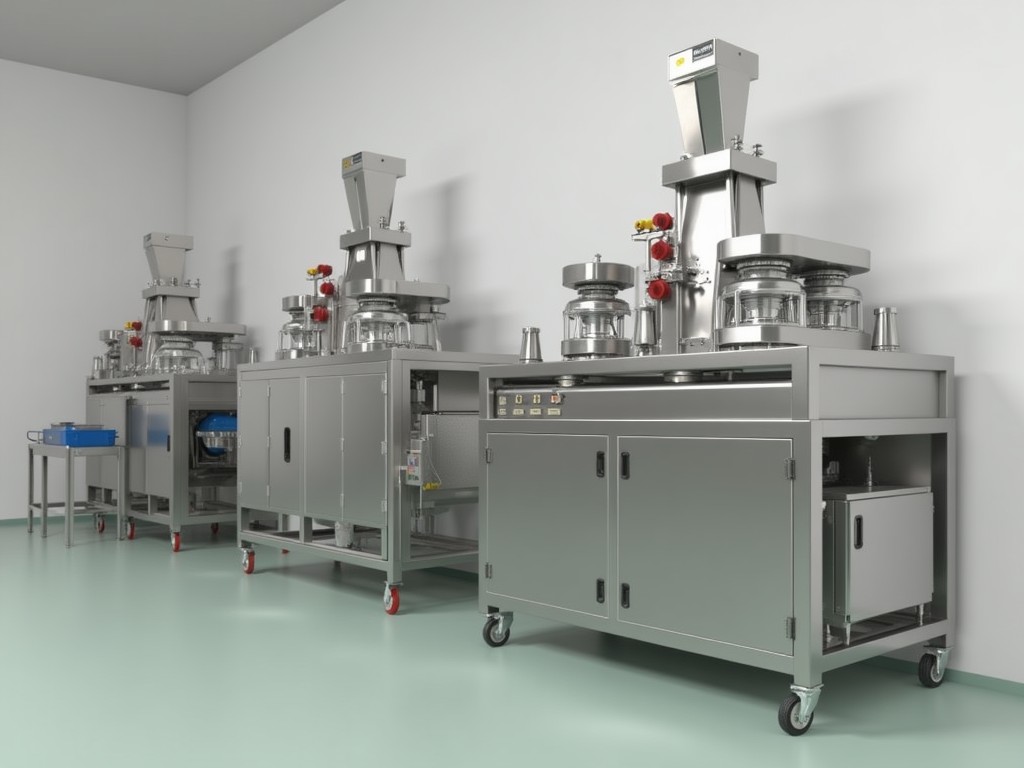
Egg Processing Machine Manufacturer Egg Washer Grader
Industrial egg processing requires a rigorous approach to de-contamination and precise size classification to meet food safety standards. A professionalgrade egg washer and grader system integrates these stages into a single continuous flow, removing organic debris while maintaining the structural integrity of the eggshell. Engineering focus remains on the balance between mechanical friction for cleaning and the delicate nature of the internal cutshell membrane.
Efficiency in high-volume facilities is determined by throughput capacity relative to the accuracy of the grading. Modern systems utilize high-pressure spray arrays and synchronized rotating brushes to ensure every surface area is sanitized without inducing stress-fractures.
Technical Specifications of Egg Washing Systems
The washing module typically operates through a multi-stage immersion process. Initial stages involve gentle agitation to loosen loose dirt, followed by high-pressure nozzles that deliver heated water. Water temperature is a critical variable, usually maintained between 28°C and 35°C to effectively remove bacteria without stripping the protective cuticle too quickly before drying.
- Adjustable brush RPM to control cleaning intensity based on egg thickness and contamination levels.
- High-capacity water filtration systems to recirculate wash water while removing particulate matter.
- Automated chemical dosing units for maintaining consistent disinfectant concentrations.
- Integrated drying tunnels using high-velocity air to prevent moisture retention before packaging.
Advanced Grading Technologies for Precision
Grading accuracy directly impacts the commercial value of the product. Weight-based grading utilizes high-precision load cells capable of measuring eggs with a tolerance level often within ±1 gram. This ensures that eggs are categorized correctly into Small, Medium, Large, and Extra Large classes with minimal misclassification.
Beyond weight, optical inspection systems are increasingly integrated for quality control. High-speed cameras and vision algorithms detect shell cracks, blood spots, or surface discoloration in real-time. Pneumatic ejectors then divert defective units from the main line, ensuring that only premium-grade eggs reach the final stage.
System Component Comparison
| Feature | Mechanical Grading | Electronic Grading | Optical Grading |
|---|---|---|---|
| Accuracy | Medium (Size-based) | High (±1g) | Very High (Visual data) |
| Throughput | High | Medium-High | High |
| Maintenance | Simple | Sensor calibration | Lens cleaning |
Material Selection and Durability
The environment of an egg processing plant is highly corrosive due to moisture and chemical cleaning agents. Consequently, structural components utilize 304 stainless steel to prevent rust and ensure food safety. For facilities utilizing high-acidity sanitizers, 316 stainless steel may be specified for critical contact parts to prevent pitting pitting.
Moving parts, such as conveyor belts and brushes, are constructed from food-grade polymers that are non-toxic and abrasion resistant. These materials are selected to withstand constant wash cycles without degrading or shedding particles into the egg product stream.
Applications and Industry Integration
These systems are designed for large-scale egg packing houses where volume and speed are the primary drivers. They are also suitable for export-oriented facilities that must adhere to strict international standards regarding egg de-contamination and size-class uniformity.
Integration into existing production lines often involves PLC-controlled interfaces that allow operators to monitor throughput in real-time. This data is vital for adjusting grading distribution reports and waste-rate analysis, ensuring consistency across different production shifts.
Frequently Asked Questions
Can the machine dimensions be customized for specific floor layouts?
Yes, the conveyor modules can be configured in linear or L-shaped layouts to fit the available square footage in the facility.
What information is required before a technical quotation?
We typically require the target throughput (eggs per hour), the desired grading classes, specific cleaning requirements, and the available power/water infrastructure.
What materials are available for the machine frame?
Standard construction is 304 stainless steel, with 316 stainless steel available upon request for high-corrosion environments.
Selecting the right egg washer and grader requires a technical analysis of your operational needs. Contact our engineering team to discuss technical specifications and project-specific requirements.
Request Technical Inquiry


