China Small Scale Egg Washing Machine Factories
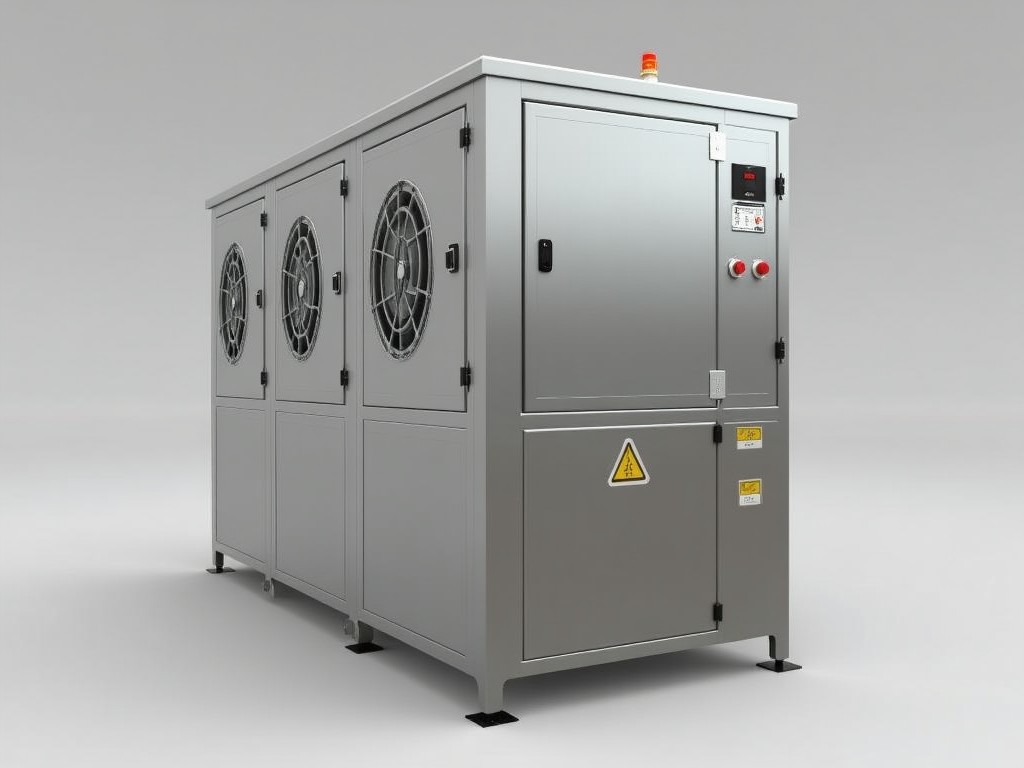
china small scale egg washing machine factories
The landscape of poultry processing in China has shifted from labor-intensive methods toward semi-automated solutions for smaller operations. Small-small scale egg washing machine factories now focus on modular designs that bridge the gap between manual cleaning and high-capacity industrial production lines. These systems are engineered to handle lower volumes while maintaining the structural integrity of the egg shell, preventing fractures common in aggressive mechanical cleaning.
Procurement managers evaluating these facilities require an understanding of the mechanical action used to remove debris. Most small-scale units utilize a combination of high-pressure spray nozzles and rotating nylon brushes to ensure a thorough clean without damaging the membrane. By optimizing the flow rate of water, manufacturers ensure that water consumption is minimized, which is a critical factor for farms operating with limited water infrastructure.
Technical specifications of small-scale egg washing systems
Standard small-scale egg washing machines typically operate with capacities ranging from 500 to 2,500 eggs per hour, depending on the configuration of the conveyor belt. The primary material is almost exclusively 304 grade stainless steel to resist the constant exposure to moisture and food-grade detergents used during sanitation.
Internal components often include variable-frequency drives (VFD) to allow operators to adjust the belt speed based on the egg size or the level of contamination. This precision prevents mechanical stress that occurs when a fixed-speed motor is used. Motors are typically rated IP55 or higher to ensure protection in wet, wash-down industrial environments.
| Technology Method | Primary Mechanism | Ideal Application |
|---|---|---|
| Spray Washing | High-pressure nozzles | Lightly soiled farm-fresh eggs |
| Brush Washing | Rotating nylon bristles | Heavy debris/mud-removal |
| Bubble/Immersion | Aerated water bath | Delicate shells or organic eggs |
Key manufacturing processes in Chinese factories
Leading-tier Chinese manufacturers prioritize precision laser welding for the frame construction to eliminate crevices where bacteria could accumulate. This process is vital for meeting international food safety standards. After welding, the surfaces are pickled and passed to ensure a smooth finish that facilitates rapid cleaning between production shifts.
Assembly lines often integrate standardized electrical components, such as PLCs and sensors, which make the machines easily maintainable globally. By using recognized brands for the control systems, factories ensure that the technical logic of the small-scale washing machine is supported by readily available spare parts.
Application logic for small-scale operations
Small-scale egg washing machines are deployed when the labor cost of manual scrubbing exceeds the capital expenditure of an automated unit. In many scenarios, the ROI is calculated through the reduction in egg breakage and the increase in product consistency, which allows producers to command a higher price in retail-grade markets.
Furthermore, these machines are essential for niche producers handling organic or free-range eggs where transparency is a selling point. The ability to integrate a washing unit into a larger farm-to-table workflow allows for a seamless transition from the collection point to the packaging station.
Quality control and material selection standards
Quality control protocols in professional factories involve rigorous testing of the pump pressure and the vibration levels of the conveyor system. Excessive vibration can lead to micro-fractures in the eggshells; therefore, manufacturers perform balance tests on all rotating parts to ensure smooth movement is uniform across the entire belt length.
Material selection also extends to the brushes. High-density food-grade nylon is used because it maintains its shape over thousands of cycles without shedding fibers, which could contaminate the egg surface. This ensures that the cleaning process remains effective without introducing new risks into the product.
Frequently Asked Questions
Can the dimensions of the machine be customized for tight floor plans?
Yes, most factories offer modular configurations where the length and width of the conveyor can be adjusted to fit the specific layout constraints of a processing facility.
What information is required before receiving a quotation?
Buyers should provide the desired hourly capacity (eggs/hour), the available water pressure/source, and the specific type of egg contamination typically encountered.
What is the typical production lead time for small-scale units?
Standard lead times usually range from 3 to 6 weeks, depending on the availability of custom-order components like specific PLC models or stainless steel grades.
Interested in technical specifications for your specific egg processing facility?
Contact our engineering team to discuss your volume requirements and receive a detailed proposal.
Request Technical Consultation


