China Electric Egg Washing Machine Factories
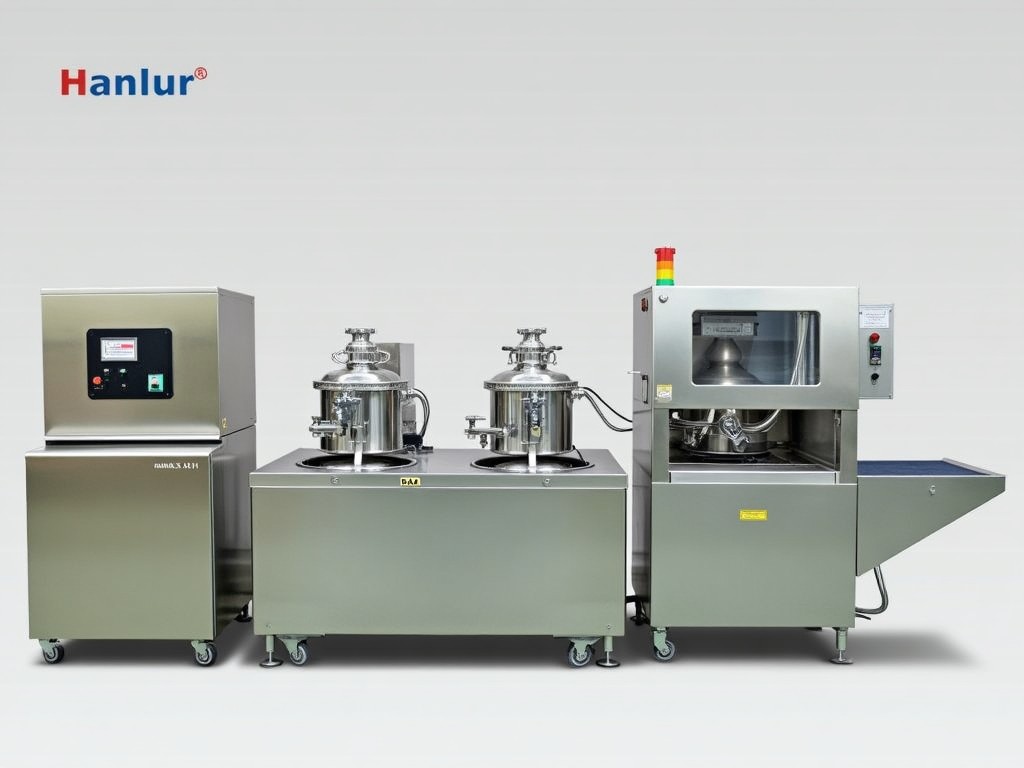
China Electric Egg Washing Machine Factories
The landscape of poultry processing has shifted significantly from manual labor to high-throughput automated cleaning systems. Chinese manufacturing hubs now specialize in the production of electric egg washing machines designed to handle thousands of units per hour while maintaining shell integrity. These facilities focus on integrating mechanical engineering with fluid dynamics to ensure that organic matter is removed without compromising the structural stability of the egg.
Industrial-scale production requires a deep understanding of the physics involved in egg cleaning. Modern factories typically utilize a combination of hot water spray, rotating brushes, and ultrasonic vibration to achieve a food-grade finish. By standardizing these processes, China-based manufacturers provide scalable solutions that range from small-scale farm operations to massive industrial export lines.
Core Technologies in Modern Egg Washing Systems
At the heart of an effective electric egg washer is the precision water delivery system. High-pressure spray nozzles are calibrated to provide uniform coverage to dislodge dirt, feathers, and manure without applying force that causes fractures. This mechanical action is often complemented by soft-brush cylinders made from food-grade nylon, which rotate to scrub the surface as the eggs transport.
Ultrasonic technology is another common feature in high-end factory models. By generating high-frequency sound waves in the cleaning solution, cavitation bubbles form and collapse, cleaning microscopic crevices on the shell that mechanical brushes cannot reach. This method is particularly effective for duck and quail eggs, where the shell texture may vary more than standard chicken eggs.
- PLC-controlled logic systems for precise conveyor speed and water temperature synchronization.
- Variable frequency drives (VFD) to optimize motor performance and reduce energy consumption.
- SUS-304 stainless steel construction to prevent corrosion in saline washing environments.
Key Technical Specifications
| Parameter | Typical Industrial Range |
|---|---|
| Processing Capacity | 2,000 - 20,000 eggs/hour |
| Material Grade | SUS304 Food-Grade Stainless Steel |
| Water Temperature | 35°C - 55°C (Adjustable) |
| Control System | Siemens or Delta PLC Interface |
| Power Requirement | 1.5kW - 7.5kW (depending on capacity) |
Manufacturing Processes and Material Selection
Material selection is critical for determining the longevity of egg washing machinery. Factories prioritize SUS304 stainless steel because of its resistance to the constant exposure of water and chemical detergents used in the process. The structural frame is often reinforced to withstand the vibrations generated by high-speed motors and conveyor belts during operation.
Manufacturing involves precision CNC machining for moving parts to ensure tight tolerances in bearings and shafts. This minimizes mechanical wear and reduces the interval between maintenance cycles. Furthermore, the internal surfaces of the tanks are designed with rounded radii to facilitate easy cleaning and prevent the buildup of bacteria or organic debris, adhering to global food safety standards.
Quality Control and Inspection Standards
Rigorous testing protocols are implemented at reputable factories before any unit is shipped. This includes pressure testing the water reservoirs and distribution pipes to ensure no leaks exist that could lead to electrical hazards. Engineers also verify the flow rate of the spray nozzles to ensure the spray angle and pressure are optimized for effective cleaning.
Vibration analysis is performed on the conveyor assembly to ensure that the motors and brushes operate within specified frequency limits. This prevents premature failure of components and ensures a quiet operating environment. Additionally, the control software is tested under various scenarios to verify that emergency stops and sensors respond according to the machine's technical specifications.
Customization Options for OEM Buyers
Industrial buyers often require specific configurations to integrate egg washing machines into existing production lines. This may involve modifying the footprint dimensions to fit specific facility layouts or adjusting the intake and discharge heights for grading machinery. Factories can also adapt the brush configuration to handle different egg sizes, ranging from small quail eggs to large ostrich eggs.
Customization also extends to the Human Machine Interface (HMI). Buyers can request localized software interfaces or specific data logging capabilities to track output, energy consumption, and total throughput metrics. For large-scale operations, machines can be designed to communicate with a central plant management system, allowing for real-time monitoring of multiple washing lines.
Frequently Asked Questions
Typically, production ranges from 30 to 60 days depending on the complexity of the customization and availability of specific components.
Yes, machines can be equipped with 220V, 380V, or 48VV configurations based on the electrical infrastructure of the destination country.
Most factories provide a standard spare parts kit, including nozzles, brushes, and seals, to ensure immediate-maintenance capabilities.
Interested in Industrial Technical Specifications?
Contact our engineering team to discuss your project requirements and receive a detailed quote.
Request a Technical Consultation


