China Egg Grading Packing Machine Supplier
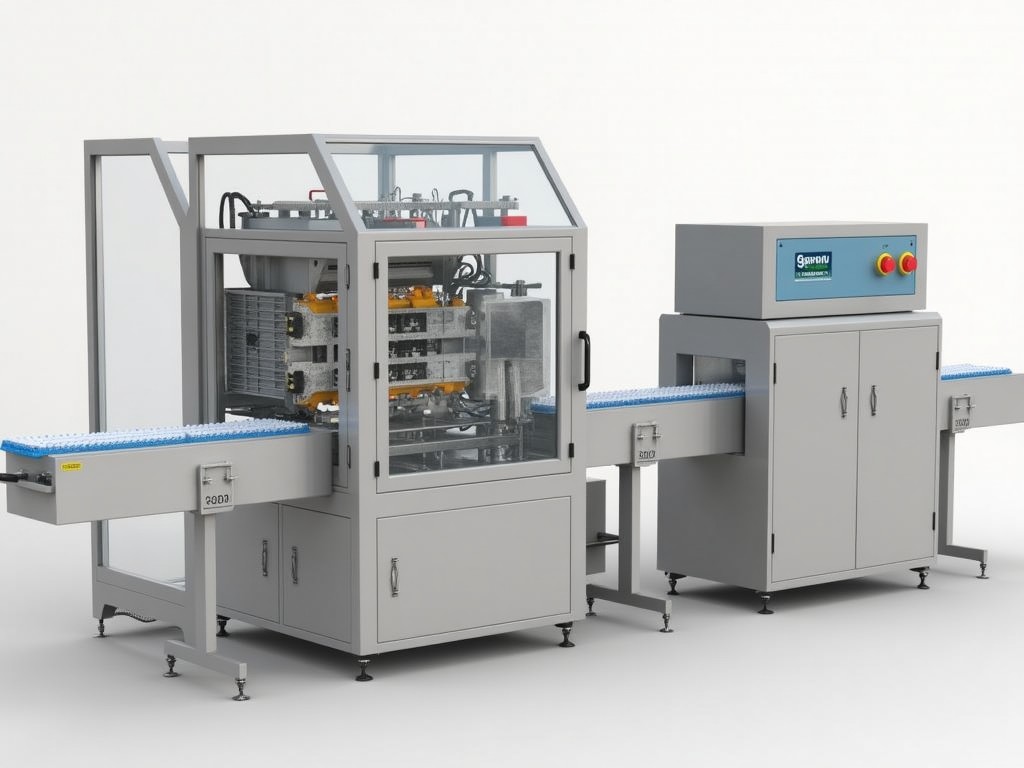
China Egg Grading and Packing Machine Supplier
Egg grading and packing machines automate the sorting of eggs by weight, size, and quality before they are placed into cartons or trays for distribution. This equipment integrates sensor‑based weighing, vision inspection, and mechanical handling to achieve consistent throughput while minimizing manual labor. Selecting a supplier with proven engineering capabilities reduces integration risk and supports long‑term operational reliability.
Technical Overview
The core grading unit uses load cells calibrated to ±0.5 g accuracy, enabling classification into predefined weight brackets such as small (≤50 g), medium (50‑63 g), large (63‑73 g), and extra‑large (>73 g). A complementary vision system inspects shell integrity, detecting cracks, stains, or deformities at a rate of up to 120 eggs per second.
Graded eggs are conveyed to a packing module that places them into standard 30‑egg trays or customer‑specific cartons. The packing mechanism employs servo‑driven pick‑and‑place arms with positional repeatability of ±0.2 mm, ensuring proper orientation and minimizing shell breakage during transfer.
Control is handled by an industrial PLC with Ethernet/IP connectivity, allowing real‑time monitoring of throughput, reject rates, and equipment status via SCADA or HMI interfaces. The machine frame is constructed from welded SUS304 stainless steel, providing corrosion resistance suitable for wash‑down environments.
Key Specifications
| Parameter | Typical Value | Notes |
|---|---|---|
| Maximum Throughput | Up to 30,000 eggs/hour | Dependent on egg size distribution |
| Weight Grading Accuracy | ±0.5 g | Calibrated load cells |
| Vision Inspection Speed | 120 eggs/second | Detects cracks, stains, deformities |
| Packing Formats | 30‑egg trays, 6‑egg cartons, custom | Adjustable via changeover kits |
| Power Supply | 380 V 3‑phase, 50/60 Hz | Optional 220 V version |
| Frame Material | SUS304 stainless steel | Welded construction, sanitary finish |
Applications in Poultry Processing
In layer farms and processing plants, eggs must be sorted quickly to meet packaging line speeds and to separate sub‑standard units that could cause downstream contamination. Accurate weight grading ensures compliance with retail specifications, reducing the risk of financial penalties due to under‑ or over‑filled cartons.
- Integration with upstream washing and drying stations, where the machine receives eggs at ambient temperature after sanitization.
- Feeding downstream cartoners or case packers that require a steady, oriented flow of eggs to maintain line efficiency.
- Supporting traceability systems by outputting grade data to MES platforms for batch record keeping.
Customization Options
The machine architecture is modular, allowing adjustments to grading bands, packing formats, and control interfaces without redesigning the core frame. This flexibility accommodates variations in egg size profiles across different breeds or market requirements.
- Adjustable weight thresholds (e.g., adding a “jumbo” category >78 g) via software reconfiguration and optional hardware add‑ons.
- Alternative packing mechanisms such as inline egg‑fillers for cartons with dividers or vacuum‑formed trays.
- Choice of HMI brands (Siemens, Allen‑Bradley, or local panels) and communication protocols (Modbus TCP, PROFINET) to match plant standards.
- Surface treatments including electropolishing or PTFE coating for enhanced release properties in high‑humidity environments.
Quality Assurance and Testing
Each unit undergoes a factory acceptance test (FAT) that verifies grading accuracy, packing speed, and vision system repeatability under simulated production loads. Test results are documented in a traceable test report that includes calibration certificates for load cells and optical sensors.
Before shipment, the machine is subjected to a wet‑run test where it processes a minimum of 10,000 eggs while being sprayed with cleaning solution to confirm ingress protection (IP65) of electrical enclosures and to validate that no water accumulates in critical mechanisms.
Spare parts are stocked for wear items such as belts, rollers, and pneumatic cylinders, with recommended replacement intervals based on operating hours (e.g., belt replacement every 2,000 hours). This approach minimizes unplanned downtime and supports predictable maintenance scheduling.
Frequently Asked Questions
-
Can the grading thresholds be adjusted after installation?
Yes, weight limits are configurable via the HMI; mechanical change‑over kits are available for adding new size categories.
-
What information is required before a quotation can be issued?
Required details include target hourly throughput, egg size distribution, preferred packing format, facility power supply, and any environmental constraints (e.g., wash‑down frequency).
-
Which materials are available for the frame and contact surfaces?
Standard frame is SUS304 stainless steel; optional SUS316 for higher chloride resistance. Contact surfaces can be supplied with FDA‑approved PTFE coating.
-
How are export shipments protected against damage?
Machines are secured on steel pallets, wrapped in stretch film, and placed in wooden crates with corner protectors. Shock‑absorbing foam is used around delicate modules such as the vision system.
Contact Us for Technical Discussion
To receive a detailed quotation, layout drawing, or to discuss specific grading and packing requirements, please reach out to our engineering team.



