China Egg Grader Machine Supplier Price
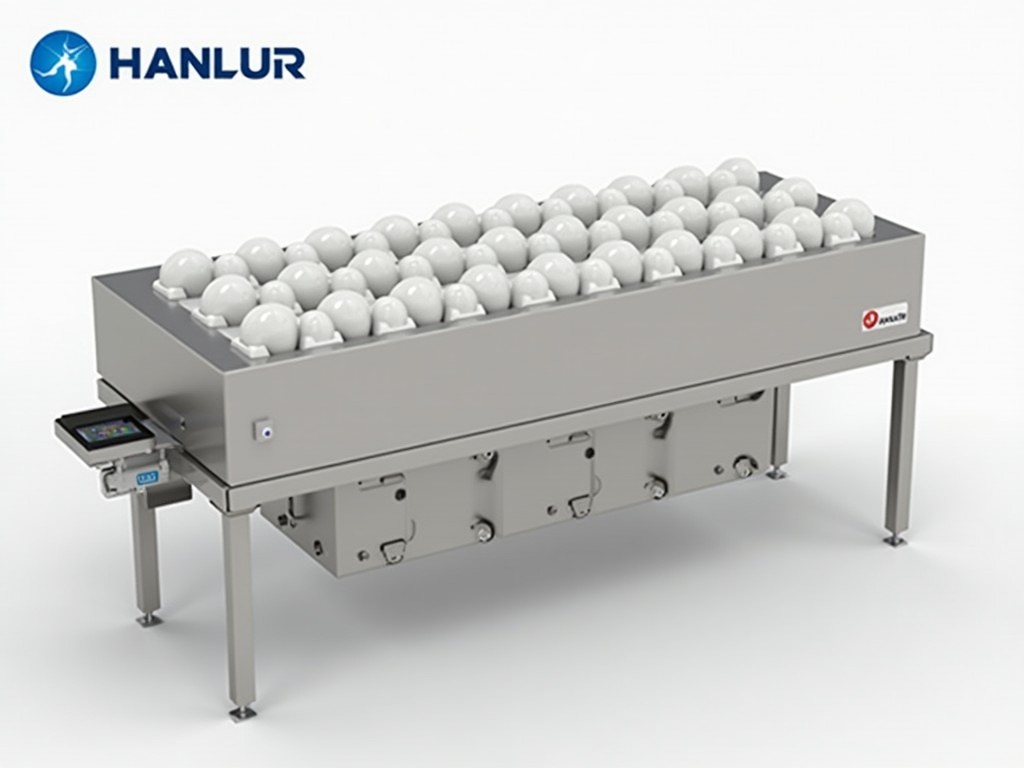
China Egg Grader Machine: Supplier Overview and Pricing Factors
Egg grading separates eggs by weight, shell integrity, and interior quality before packaging. Understanding the machine’s mechanics helps buyers evaluate supplier quotations and avoid mismatched specifications.
Machine Function and Process Description
The grader conveys eggs on a series of rollers or belts equipped with load cells or optical sensors. Each egg’s weight triggers a mechanical gate that diverts it to the appropriate lane. High‑speed models use pneumatic actuators to achieve lane changes within 30 ms, reducing egg breakage.
Key Technical Parameters
| Parameter | Typical Range | Notes |
|---|---|---|
| Capacity (eggs/hr) | 5,000 – 30,000 | Depends on number of grading lanes |
| Weight Accuracy | ±0.5 g | Calibrated load cells |
| Power Consumption | 1.5 – 4.5 kW | Three‑phase 380 V |
| Lane Count | 2 – 8 | Configurable per customer |
| Control System | PLC with HMI touchscreen | Optional remote monitoring |
Typical Applications in Poultry Processing
Grading is essential for farms that sell eggs to retail chains requiring uniform size categories (small, medium, large, extra‑large). It also supports hatcheries that need to separate fertile from infertile eggs based on weight distribution, improving incubation efficiency.
Material Selection and Construction
Frames are constructed from cold‑rolled steel with a powder‑coated finish to resist corrosion in humid environments. Contact surfaces such as belts and rollers use food‑grade polyurethane or stainless steel (AISI 304) to meet FDA standards. Bearings are sealed, lubricated for life, and rated for continuous operation at 60 °C.
Customization Options
- Number of grading lanes adjustable from 2 to 8
- Lane width customizable for egg sizes ranging from 35 mm to 65 mm diameter
- Integration with upstream washing and downstream packing lines via modular conveyors
- Optional UV‑C sterilization module mounted before grading to reduce microbial load
Quality Assurance and Testing
Each unit undergoes a three‑stage test: (1) mechanical run‑in for 48 hours at 80 % load to verify lane timing, (2) weight calibration using traceable standard weights, and (3) sanitation rinse validation with ATP swabs to confirm food‑grade cleanliness. Test certificates are supplied upon request.
Price Influencing Variables
Base price correlates with lane count and drive type (servo vs. stepper). Additional cost factors include material upgrades (e.g., AISI 316 for high‑salinity wash environments), control system enhancements (SCADA compatibility), and optional features such as automatic lane balancing. Shipping method (FOB Shanghai vs. CIF destination) and incoterms also affect the final quotation.
Frequently Asked Questions
Can dimensions be customized?
Yes, frame width and conveyor length can be adjusted to fit existing facility layouts. Provide site drawings for accurate quoting.
What information is required before quotation?
Required inputs: desired capacity (eggs/hr), number of grading lanes, egg size range, power supply voltage, and any special material or certification needs.
What materials are available for food contact parts?
Standard options are food‑grade polyurethane belts and AISI 304 stainless rollers. AISI 316 is available for corrosive environments.
How is quality inspected?
Each machine receives mechanical run‑in, weight calibration, and sanitation validation before shipment. Inspection reports are attached to the delivery package.
What packaging methods are available?
Machines are skid‑mounted, wrapped in stretch film, and secured in wooden crates. Desiccant packs and shock indicators are included for overseas transport.
Request for Quotation
To obtain a detailed price sheet, share your production specifications via the contact form. Our engineering team will respond with a technical proposal and lead‑time estimate within two business days.
Send Inquiry


