China Automatic Egg Washer Machine For Sale
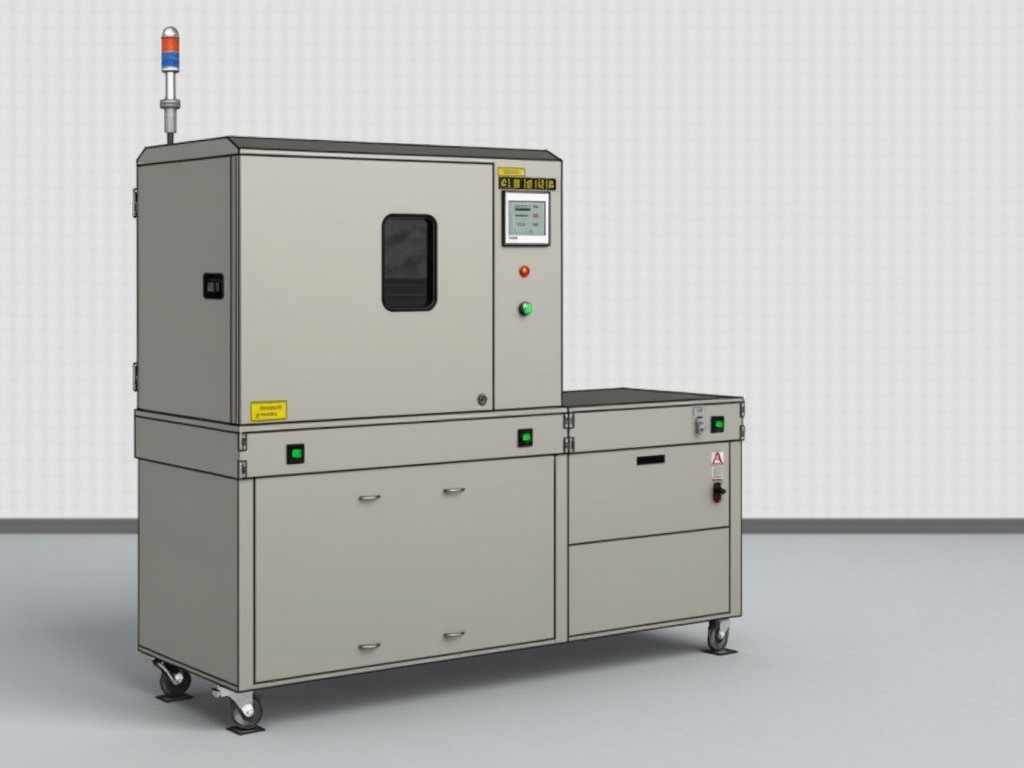
China Automatic Egg Washer Machine for Sale
Automatic egg washers are engineered to remove contaminants such as feces, feathers, and bacteria from shell eggs before they enter the packaging line. The process reduces aerobic plate counts by up to 3 log CFU/egg, extending shelf life and helping producers meet food‑safety regulations.
Typical throughput ranges from 5,000 to 30,000 eggs per hour depending on model and configuration. Water consumption is generally 2–5 L/min, and the wash tank temperature is maintained between 45 °C and 55 °C to avoid thermal shock to the shell while achieving effective soil removal.
Working Principle
The machine conveys eggs through a series of staged chambers: pre‑wash to loosen debris, main wash with detergent spray, rinse to remove residues, and drying using heated air or infrared modules. Each stage operates under controlled spray pressure (0.8–1.2 bar) and dwell time to maximize cleaning while limiting micro‑cracks in the shell.
A programmable logic controller (PLC) synchronizes conveyor speed, valve actuation, and temperature sensors, allowing repeatable cycles and easy adjustment for different egg sizes or soil loads. Sensors monitor turbidity and conductivity of the wash water to trigger automatic replenishment or discharge.
Key Technical Specifications
| Parameter | Typical Value | Adjustable Range / Options |
|---|---|---|
| Model Series | EW‑A200 / EW‑A500 | Customizable according to project requirements |
| Capacity (eggs/h) | 5,000 – 30,000 | Variable speed drive, 10–100 % of rated |
| Wash Tank Volume (L) | 150 – 500 | Scalable with modular sections |
| Water Consumption (L/min) | 2 – 5 | Adjustable via flow valves |
| Installed Power (kW) | 3 – 12 | Depends on heating and drying modules |
| Overall Dimensions (L×W×H, mm) | 2200×1100×1800 | Customizable to line layout |
| Net Weight (kg) | 450 – 800 | Depends on tank size and material |
| Contact Material | Stainless Steel 304 (SS304) | Optional SS316 for high‑chloride environments |
| Control System | PLC with HMI touchscreen | Relay‑logic available upon request |
Construction Materials
- Frame and structural components: cold‑rolled steel with powder‑coat finish (minimum 80 µm thickness) for corrosion resistance.
- All wetted parts: SS304 stainless steel, welded and polished to Ra ≤ 0.8 µm to prevent bacterial harborage.
- Seals and gaskets: food‑grade EPDM, compliant with FDA 21 CFR 177.2600.
- Conveyor belts: modular polypropylene, FDA‑approved, resistant to hot water up to 80 °C.
Applications in the Egg Processing Industry
In-line egg washers are integrated after collection and before candling or grading. By automating the cleaning step, plants reduce manual labor costs by up to 60 % and achieve consistent microbial reduction across shifts, which is critical for meeting export standards such as the USDA Egg Products Inspection Act or EU Regulation (EC) No 853/2004.
The equipment also supports hatchery operations where sanitized eggs improve chick viability. Adjustable wash parameters allow the same machine to handle table eggs, hatching eggs, or specialty products like omega‑3 enriched eggs without cross‑contamination.
Customization Options
- Number of wash stages (2‑4) and optional sanitizer injection (e.g., peracetic acid or chlorine dioxide).
- Drying method: heated air blowers, infrared radiators, or combined air‑knife systems.
- Control architecture: PLC‑based with Ethernet/IP, Modbus TCP, or standalone relay panels.
- Electrical supply: 380 V 3‑phase, 50/60 Hz; optional 460 V or 575 V for specific regions.
- Frame finish: standard powder coat, or stainless‑steel cladding for wash‑down environments.
Quality Control and Testing Philosophy
Each unit undergoes a factory acceptance test (FAT) that includes hydrostatic pressure testing of tanks, functional verification of all valves and sensors, and a performance run with a standardized soil load to confirm log‑reduction targets. Material certificates for stainless steel and elastomers are retained for traceability.
Before shipment, machines are subjected to a vibration test simulating transport conditions and a final insulation resistance test (≥ 1 MΩ) to ensure electrical safety. Documentation package includes wiring diagrams, P&ID, and operation manuals in English and, upon request, Mandarin.
Frequently Asked Questions
Can the machine dimensions be customized to fit an existing line? Yes, the conveyor length, width, and height can be adjusted within structural limits; provide your layout drawings for a feasibility review.
What information is required before a quotation? Required data include target eggs per hour, egg size range, water temperature preference, required wash stages, and any specific sanitizer or drying method.
Which materials are available for contact parts? Standard is SS304; SS316 is offered for applications with high chloride or acidic cleaning agents.
How is quality inspected during production? Each welded joint is inspected via dye‑penetrant testing, and all critical dimensions are verified with CMM or calibrated gauges before assembly.
What packaging methods are used for export shipments? Machines are wrapped in corrosion‑inhibiting film, placed on sturdy wooden pallets, and secured with steel straps; optional wooden crates are available for high‑risk routes.
What is the typical production lead time? Lead time ranges from 6 to 10 weeks after receipt of technical details and deposit, depending on customization complexity.
Next Steps
To discuss how this automatic egg washer can be integrated into your processing line, request a detailed quotation or arrange a technical consultation.
Contact Us


