Buy Egg Washing And Grading Line In Nigeria
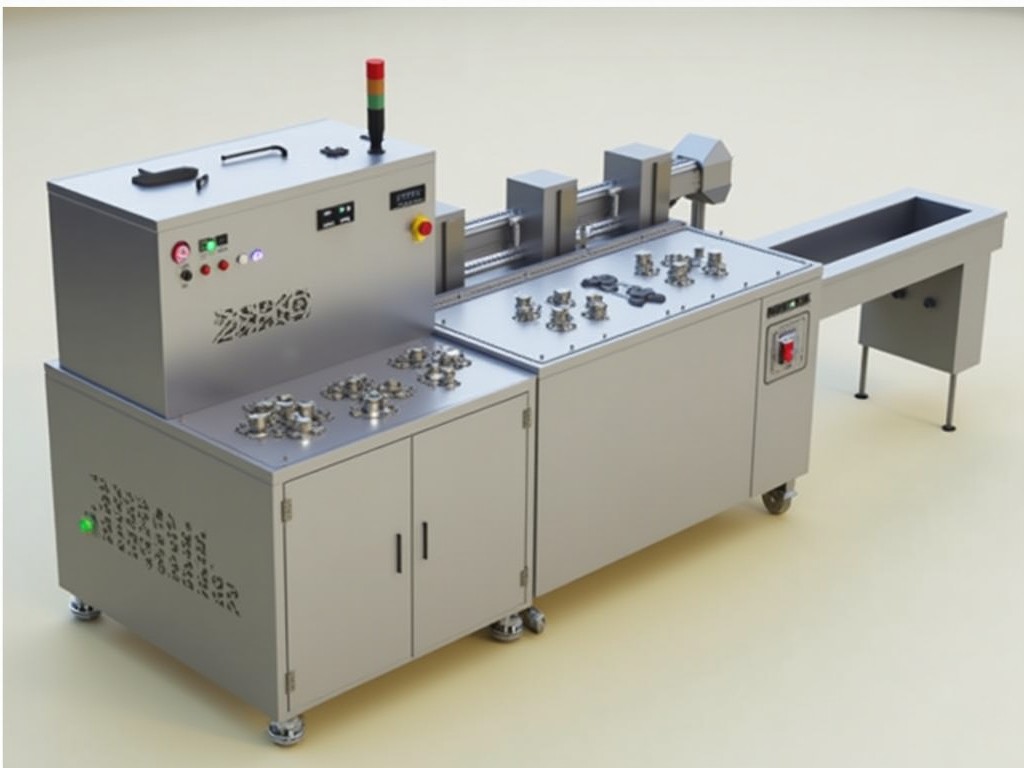
Buy Egg Washing and Grading Line in Nigeria
Overview
An egg washing and grading line integrates cleaning, sanitizing, drying, and size/weight classification into a continuous process. Typical capacities range from 5,000 to 30,000 eggs per hour, depending on the number of lanes and conveyor speed. The line is constructed primarily from food‑grade stainless steel (AISI 304) to resist corrosion from water, detergents, and sanitizers.
Key operational parameters include wash tank temperature (45‑55 °C), spray pressure (1.5‑2.5 bar), drying air temperature (50‑60 °C), and grading accuracy (±1 g for weight, ±2 mm for diameter). These values are adjustable via PLC‑controlled set‑points to match specific egg varieties and market requirements.
Technical Specifications
| Parameter | Typical Range / Value | Notes |
|---|---|---|
| Throughput | 5,000 – 30,000 eggs/hour | Scalable by adding lanes |
| Wash Tank Capacity | 150 – 500 L per tank | Stainless steel, insulated |
| Spray Pressure | 1.5 – 2.5 bar | Adjustable via regulator |
| Drying Air Temperature | 50 – 60 °C | HEPA‑filtered air optional |
| Grading Accuracy | Weight ±1 g; Diameter ±2 mm | Load‑cell and laser sensors |
| Power Consumption | 3 – 12 kW | Depends on size and heating |
| Control System | PLC with HMI touchscreen | IP65 rated enclosure |
All specifications are presented as typical values; actual figures are confirmed during the design phase based on facility layout, egg size distribution, and required hygiene standards (e.g., USDA, EU, or local Nigerian regulations).
Applications in the Nigerian Poultry Sector
Nigeria’s egg production is concentrated in large‑scale farms near urban centers such as Lagos, Abuja, and Kano. These operations benefit from a washing and grading line that reduces manual handling, improves shell hygiene, and enables uniform packing for retail and wholesale markets.
By removing surface contaminants and applying a approved sanitizer (e.g., chlorine‑based or peracetic acid), the line helps meet the Nigerian Agricultural Quarantine Service (NAQS) standards for table eggs. Accurate grading allows producers to separate premium‑grade eggs (weight ≥ 58 g) from seconds, optimizing price realization.
Typical installations include a pre‑wash dip, brush‑type scrubbers, spray nozzles, hot‑air dryer, and a dual‑lane weight/size grader. The modular design permits future expansion as flock size grows.
Customization Options
Because egg characteristics vary by breed and feed, the line can be adapted in several ways:
- Number of washing lanes (1‑4) to match desired throughput.
- Adjustable brush hardness for different shell thicknesses.
- Optional UV‑C sanitizer post‑dry for extended shelf life.
- Integration with automatic packing equipment (cartoners, tray sealers).
- Choice of control protocol: Modbus TCP for SCADA or standalone HMI.
Material upgrades such as AISI 316L are available for facilities using highly chlorinated water or requiring higher resistance to pitting.
Quality Assurance and Testing
Each line undergoes factory acceptance testing (FAT) that includes:
- Verification of wash temperature uniformity (±1 °C) across the tank.
- Spray pressure calibration using calibrated gauges.
- Grading repeatability test with 500 calibrated egg simulators.
- Leak‑proof inspection of all welded joints (dye penetrant).
- Electrical safety test per IEC 60204‑1.
Documentation provided with shipment includes material certificates, welding logs, electrical schematics, and operation manuals in English. Local language (Hausa, Yoruba, Igbo) manuals can be supplied upon request.
Frequently Asked Questions
Yes. The grading module uses interchangeable weight‑cells and laser sensors that can be re‑calibrated for egg diameters ranging from 40 mm to 55 mm and weights from 40 g to 70 g.
Required data include: target eggs per hour, average egg weight distribution, water quality (hardness, chlorine level), available electrical supply (voltage, frequency), and any space constraints (length, width, height).
Standard is AISI 304 stainless steel. Optional upgrades to AISI 316L or food‑grade polymer coatings are offered for corrosive environments.
Factory acceptance testing includes functional runs, sensor calibration, hydrostatic leak tests, and safety interlock verification. Test reports are attached to the shipment.
The line is disassembled into skid‑mounted modules, wrapped in VCI film, secured in wooden crates, and loaded into 20‑ft or 40‑ft containers. Shock‑absorbing pallets are used for sensitive electronics.
Lead time ranges from 10 to 16 weeks after approval of the final layout drawing, depending on module complexity and current workshop load.
Call to Action
To discuss how an egg washing and grading line can be configured for your facility in Nigeria, please provide your production targets and site details. Our technical team will prepare a preliminary layout and quotation.
Contact Our Technical Team


