B2B Egg Grading Machine For Sale Australia Canada
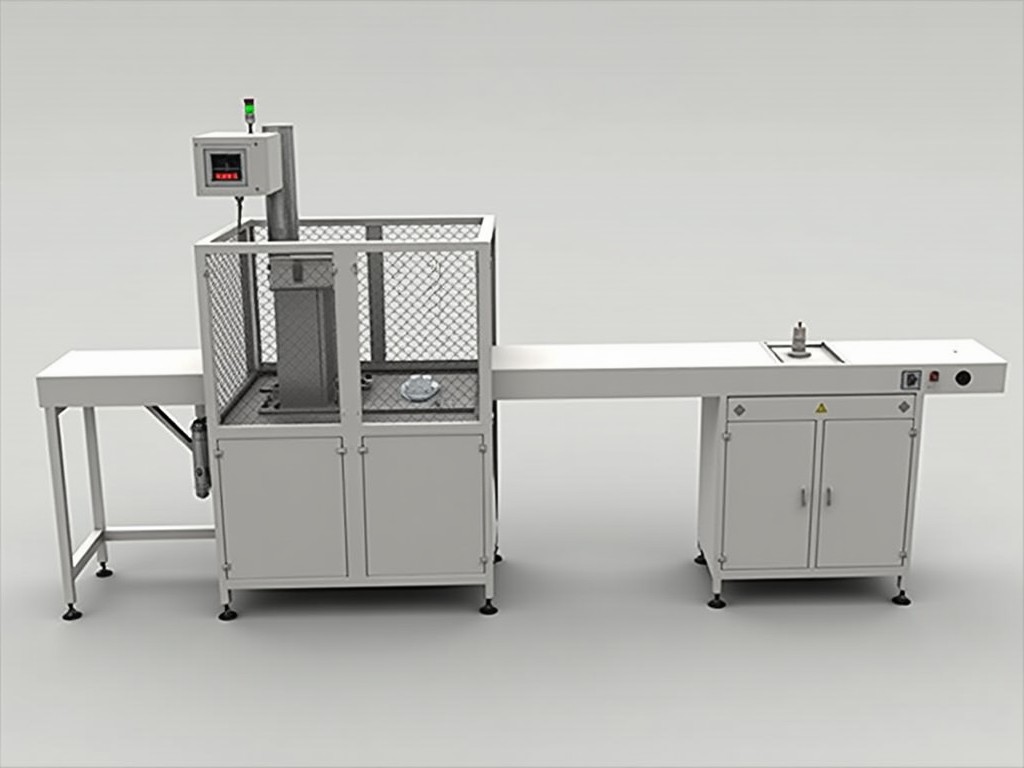
B2B Egg Grading Machine for Sale in Australia and Canada
This equipment sorts shell eggs by weight and size using integrated load‑cell arrays and optical sensors, delivering consistent grade output for packing lines in poultry processing facilities.
Technical Specifications
| Parameter | Typical Value | Notes |
|---|---|---|
| Throughput | Up to 30,000 eggs/hour | Depends on egg size distribution and operator settings |
| Grading Accuracy | ±2 g weight tolerance | Achieved with calibrated load cells and firmware compensation |
| Power Consumption | 2.5 kW (3‑phase 400 V) | Includes motor drives and sensor electronics |
| Machine Footprint | 2.2 m (L) × 1.0 m (W) × 1.8 m (H) | Compact layout for integration into existing conveyors |
| Construction Material | AISI 304 stainless steel (food‑grade) | Corrosion resistant, easy to clean, meets FDA requirements |
| Control Interface | Touchscreen PLC (7‑inch) with Ethernet/IP | Supports recipe storage for multiple egg types |
Key Features
Load‑cell weighing stations are spaced at 100 mm intervals, providing individual egg measurement without product contact, which reduces breakage and maintains hygiene.
An inline vision system checks shell integrity and detects cracks, directing defective eggs to a reject chute while allowing sound eggs to proceed to grading lanes.
Variable frequency drives on the main conveyor enable speed adjustment from 0.5 m/s to 2.0 m/s, allowing the machine to match upstream feeder rates or downstream packer capacities.
Self‑diagnostic routines log sensor drift, motor temperature, and conveyor belt tension, alerting maintenance staff via the HMI before performance degrades.
Applications in the Poultry Industry
Egg grading machines are essential for large‑scale layer farms that supply supermarkets, where uniform size and weight dictate packaging efficiency and consumer satisfaction.
By automating weight‑based sorting, facilities reduce manual labor costs and minimize human error, leading to higher yield of Grade A eggs destined for retail cartons.
In break‑egg processing plants, the same equipment can be configured to separate eggs by yolk color or shell thickness, supporting specialty product lines such as omega‑enriched or organic eggs.
Customization Options
Lane count can be scaled from 2 to 8 parallel tracks, permitting throughput adjustments without changing the machine footprint significantly.
Sensor suites are interchangeable; customers may opt for laser‑based size measurement in addition to load cells for applications requiring sub‑millimeter precision.
Reject mechanisms include pneumatic diverters, retractable belts, or side‑push arms, selected based on downstream handling preferences and floor‑space constraints.
Quality Control Philosophy
Each unit undergoes factory acceptance testing with a calibrated egg simulator that replicates weight variations from 40 g to 70 g, verifying grading accuracy across the full operating range.
Welded stainless‑steel frames are inspected using dye penetrant methods to confirm absence of surface defects that could harbor contaminants.
Final verification includes a clean‑in‑place (CIP) cycle with food‑grade sanitizer, followed by ATP swab testing to ensure microbial limits are met before shipment.
Frequently Asked Questions
Can the machine be adapted for different egg sizes?
Yes, grading lanes are adjustable via software thresholds; mechanical guides can be swapped to accommodate small (peewee) to large (jumbo) eggs without hardware changes.
What information is required for a quotation?
Desired throughput (eggs per hour), egg size mix, available power supply voltage, and any special rejection method preferences are needed to generate an accurate quote.
Are spare parts readily available in Australia and Canada?
Critical wear items such as load cells, conveyor belts, and pneumatic valves are stocked at regional service centers, typically ships within 5‑7 business days.
For less common components, lead times are provided upon request based on current manufacturing schedules.
Next Steps
Contact our technical team to discuss your line layout, provide a site‑specific layout drawing, and receive a detailed proposal that includes installation, commissioning, and training.
Request a Quote


