Egg Robotic Packaging Machine Supplier
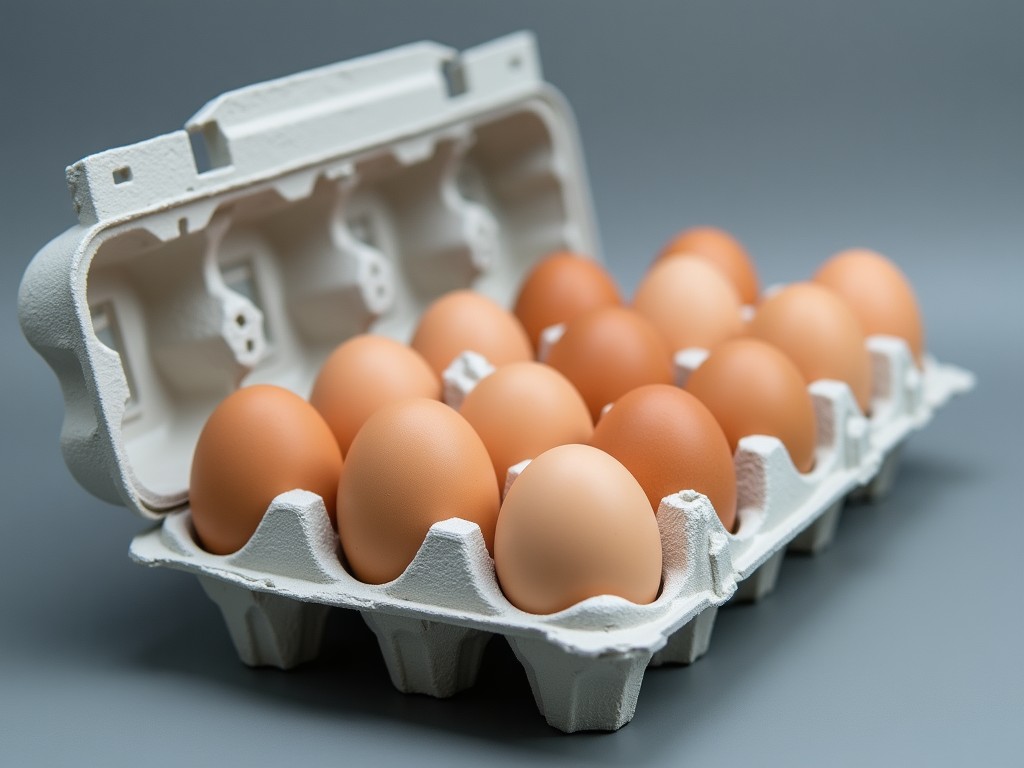
Egg Robotic Packaging Machine Supplier Overview
An egg robotic packaging machine automates the transfer of eggs from production lines into cartons, trays, or secondary packaging using vision‑guided robotic arms. The system replaces manual handling, which reduces breakage rates and labor dependency while maintaining consistent pack rates.
Suppliers of these machines provide engineering design, integration with existing conveyors, safety guarding, and after‑sales service. They also ensure that all contact surfaces meet food‑grade standards such as 3‑A SSI or EHEDG guidelines.
Operating Principles
The core of the machine is a six‑axis articulated robot equipped with a soft‑gripper end‑effector that conforms to the egg shell without applying excessive force. A high‑resolution camera system locates each egg’s orientation and transmits coordinates to the robot controller in real time.
Conveyor speed is synchronized with the robot’s pick‑place cycle so that eggs are transferred continuously without stopping the line. The control logic monitors grip force, position error, and cycle time to prevent mishandling.
Core Technical Specifications
| Parameter | Typical Value / Customizable |
|---|---|
| Robot reach | 800 mm – 1500 mm (customizable) |
| Payload capacity | 5 kg – 12 kg (depends on end‑effector) |
| Number of axes | 6 (standard) |
| Cycle rate | Up to 120 packs/min (adjustable) |
| Power consumption | 1.5 kW – 3.5 kW (based on speed) |
| Control system | PLC with IEC 61131‑3 programming (brand selectable) |
| Footprint (L×W×H) | 1200 mm × 900 mm × 1800 mm (customizable) |
| Egg size range | 40 mm – 60 mm diameter (adjustable grippers) |
| Sanitary rating | IP66 for washdown zones, 3‑A SSI compliant |
| Contact material | Stainless steel 316L or FDA‑approved polymers |
Typical Applications in Poultry Processing
In high‑volume egg grading lines, the robotic packer integrates directly after weighing and sorting stations to load eggs into consumer cartons or bulk trays.
- Inline carton loading for retail packs (6, 12, 18 count)
- Tray formation for food‑service bulk containers
- Layered palletizing of packed cartons for warehouse storage
- Specialty packaging such as omega‑3 enriched or free‑range labeled cartons
The gentle handling reduces micro‑cracks that can lead to spoilage, thereby extending shelf life and lowering waste.
Customization and Integration Options
End‑effector designs can be swapped between soft silicone grippers, vacuum cups, or mechanical fingers depending on egg size and shell strength.
Vision software can be configured for different lighting conditions, egg color variations, or to detect foreign objects such as feathers or shell fragments.
Conveyor modules are available in stainless steel or food‑grade polyurethane belts, with variable speed drives to match upstream line rates.
Safety enclosures include interlocked guards, light curtains, and emergency stop stations that meet ISO 13849‑1 performance levels.
Data logging options provide OEE (overall equipment effectiveness) metrics, cycle counts, and fault diagnostics accessible via Ethernet or USB.
Quality Assurance and Testing
Before shipment, each machine undergoes a factory acceptance test (FAT) that validates cycle speed, positional accuracy, and grip force under simulated production loads.
Sanitation verification includes a clean‑in‑place (CIP) cycle test to confirm that all contact surfaces can be cleaned to 10CFU/cm² without residue.
Material traceability is maintained through mill certificates for stainless steel and batch records for polymeric components.
Final inspection checks electrical safety (IP rating), emergency stop response time, and conformity to CE or UL markings as required by the destination market.
Frequently Asked Questions
The gripper design includes adjustable finger spacing or interchangeable inserts, allowing a size range of 40 mm–60 mm diameter to be accommodated with minimal changeover time.
Required details include line speed (eggs per minute), egg size distribution, desired pack format, facility layout constraints, and any specific hygiene certifications.
Standard options are stainless steel 316L and FDA‑approved polypropylene; alternative materials such as PEEK or PTFE‑lined components are offered upon request.
In‑process checks involve vision‑based crack detection, weight verification of packed cartons, and periodic manual audits of seal integrity.
The system can load eggs into cardboard cartons, PET trays, foam containers, or reusable plastic crates, depending on the selected end‑effector and downstream conveyor.
Machines are secured on wooden pallets with vibration‑dampening foam, wrapped in polyethylene shrink film, and placed in sealed containers with desiccant packs to prevent moisture ingress.
Lead times range from 8 to 14 weeks after receipt of technical specifications and advance payment, depending on customization level and current factory load.
For a detailed technical review or to discuss how an egg robotic packaging machine can be integrated into your processing line, please contact our engineering team.
Request a quotation


